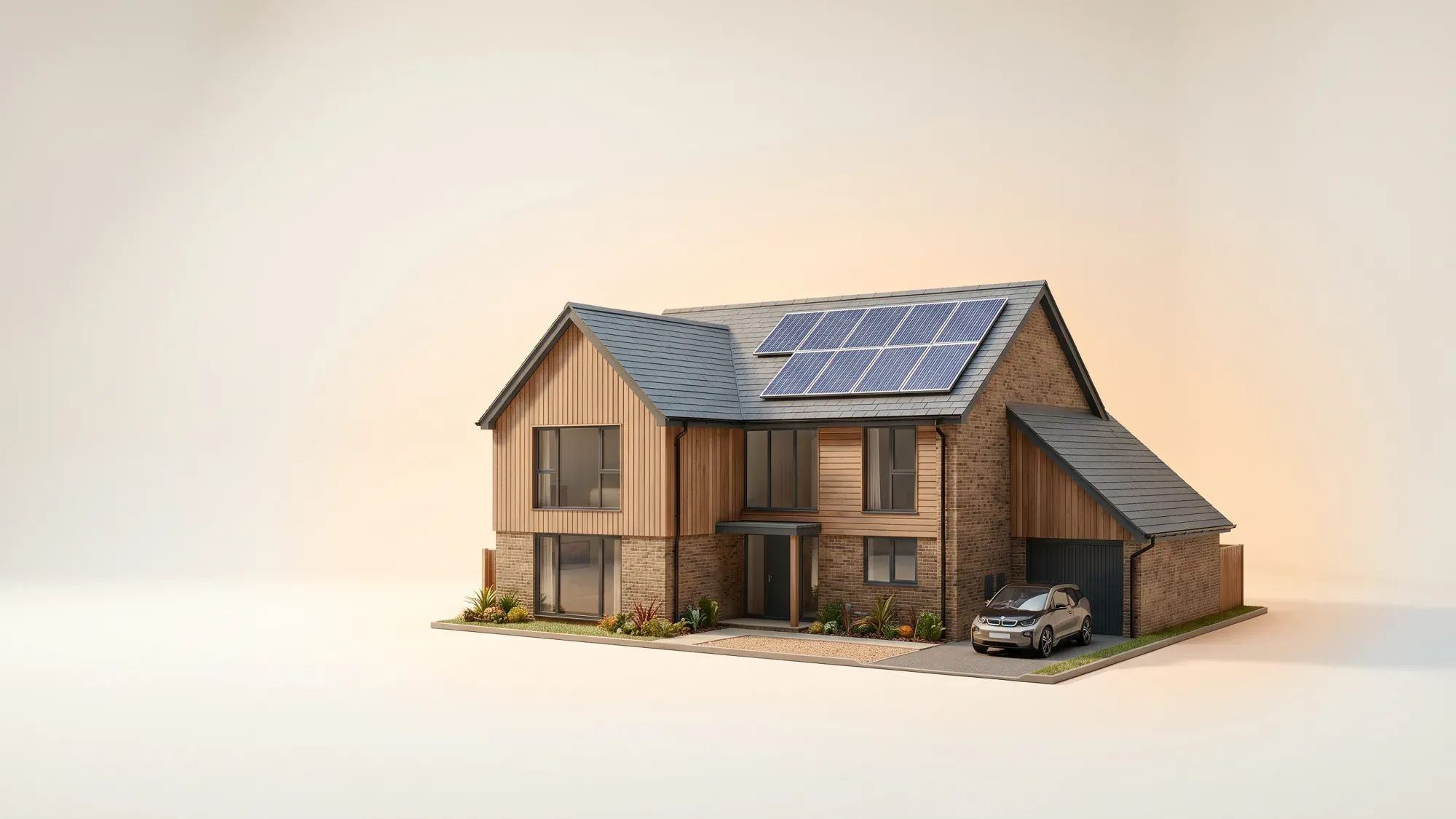
Yes, solar panels continue to work in winter in the UK, generating electricity even on cold, cloudy days. While their output is naturally lower than in summer, understanding how they function and how to manage your home's energy can ensure they remain a valuable asset year-round.
Understanding UK winter solar performance
The reality of solar generation in colder months
Solar panels in the UK typically generate significantly less electricity during winter. Output can drop to between 10% and 25% of summer monthly levels in December and January. Overall, between October and March, you can expect your system to produce 25% to 35% of its annual electricity. This reduction is primarily due to shorter daylight hours and the sun's lower angle, not the cold itself.
Light versus heat: how solar panels function
Solar panels generate electricity from light (photons), not heat. This is a crucial distinction, as it means cold temperatures are not inherently detrimental to their performance. In fact, solar panels are generally more efficient in cooler temperatures. A bright, crisp winter day can even see panels convert a higher percentage of captured sunlight into electricity than on a scorching summer day.
Key factors affecting winter solar output
Shorter daylight hours and lower sun angle
The most significant factors reducing solar panel output in the UK winter are the dramatic reduction in daylight hours and the sun's lower angle in the sky. In mid-December, the UK might only see 7-8 hours of daylight, compared to over 16 hours in June. This directly limits the time your panels have to generate power.
Impact of cloud cover and weather conditions
Increased cloud cover, common in UK winters, also affects solar generation. While photovoltaic (PV) panels still produce some electricity on cloudy days, output can drop to around 10-25% of peak levels compared to sunny conditions. Heavy snow can temporarily block panels, but their dark surface often helps melt light snow quickly. Frost typically has little impact on performance.
Temperature and panel efficiency
Contrary to popular belief, cold weather actually boosts solar panel efficiency. Solar cells, like many electronics, perform better when cool. A panel can gain around 0.3% to 0.4% in efficiency for every degree Celsius below 25°C. This means that while there is less light to capture in winter, the panels make more efficient use of the light they do receive.
Maximising your solar panels' efficiency in winter
Maintenance tips for optimal performance
To ensure your solar panels perform their best in winter, regular maintenance is key. Keep them clear of heavy snow or debris, though light snow often melts off naturally. Ensuring they are clean can also help maximise the light they absorb.
Considering panel angle and shading
If you are installing a new system, discussing a steeper tilt angle with your installer can help capture more of the low winter sun and encourage snow to slide off more easily. For existing systems, be mindful of any new shading from trees or buildings that might become more pronounced with the sun's lower angle.
The benefits of battery storage
Battery storage systems can significantly enhance the value of winter solar generation. By storing any surplus electricity generated during daylight hours, homeowners can use it later when panels are not producing, such as in the evenings or on particularly dark days. This reduces reliance on grid electricity and maximises self-consumption.
Smart energy management for UK solar homeowners
Leveraging smart tariffs with your solar panels
Smart tariffs are designed to integrate seamlessly with solar generation, allowing homeowners to shift usage and maximise savings during winter months. These tariffs often offer different rates for electricity at various times of the day, rewarding you for using energy when demand is low or when your panels are generating.
Optimising consumption with the Fuse app
The Fuse app provides real-time insights into your energy generation and consumption, empowering you to manage your energy ecosystem year-round, even in winter. By understanding when your panels are producing and how much electricity you are using, you can adjust your home's energy usage to coincide with periods of higher solar generation or cheaper grid electricity. This helps you make the most of your solar generation, optimising consumption and export.
The Smart Export Guarantee (SEG) in winter
The Smart Export Guarantee (SEG) is a UK government-backed scheme that mandates licensed electricity suppliers to offer a tariff for homeowners to sell surplus electricity generated by their solar panels back to the grid. SEG tariff rates must always be above zero. Even with lower winter output, exporting any unused electricity through an SEG tariff contributes to your overall savings and the financial viability of your solar investment. You can apply for an SEG tariff with any SEG licensee, even if it is not your current energy supplier.
Taking control of your winter energy costs
Empowering your home with Fuse Energy
Fuse Energy helps homeowners make the most of their solar generation, even in winter, by optimising consumption and export. We focus on providing the tools and insights you need to manage your energy intelligently, turning perceived scarcity into managed abundance. Our smart tariffs and transparent app give you control over your energy usage and costs.
Year-round energy independence
Achieving year-round energy independence with solar panels in the UK is about more than just generation; it is about smart energy management. By combining your solar panels with battery storage, leveraging smart tariffs, and actively monitoring your energy use, you can significantly reduce your reliance on grid electricity and master your winter energy costs.
For the avoidance of doubt, this article is provided for informational purposes only and is not intended to constitute legal or financial advice. The author and/or Fuse Energy shall not be responsible for any losses arising out of any reliance on the information contained herein.