Do I need a smart meter?
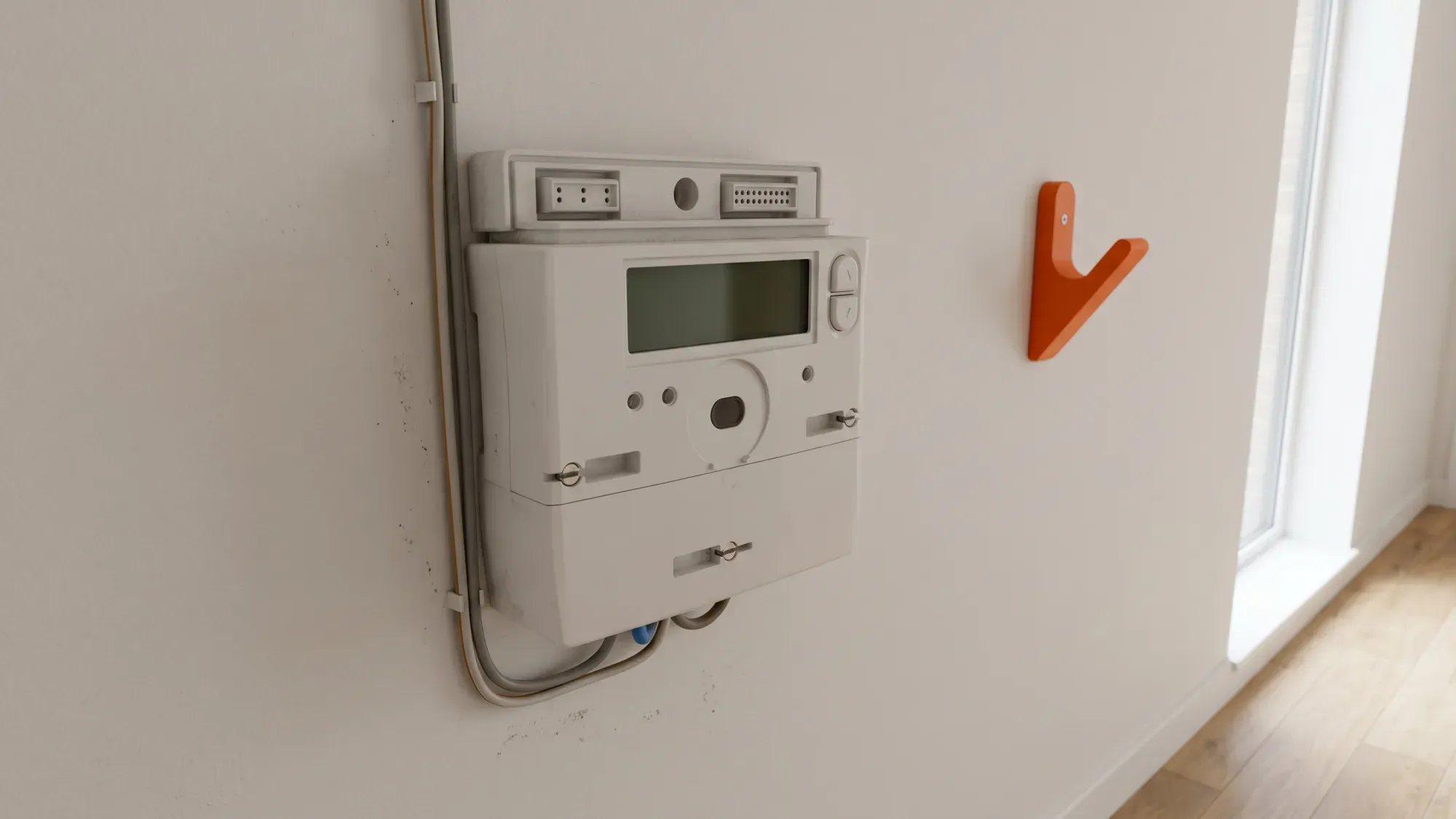
Deciding whether a smart meter is right for your home involves weighing its benefits against potential concerns. These devices are a key part of the UK's modern energy infrastructure, designed to give you more control and accuracy over your energy use.
Smart meters are a foundational tool for managing your home's energy more effectively. Fuse Energy is committed to helping you understand and control your energy usage. Click here to see how Fuse can help you make the most of your smart meter.
Enter your address to get a quote and see how much you could save
What is a smart meter and how does it work?
A smart meter is a digital device that measures your gas and electricity consumption and automatically sends these readings to your energy supplier. This eliminates the need for manual meter readings and estimated bills, ensuring you only pay for the energy you actually use. Smart meters communicate via a secure national network, not your home Wi-Fi, and online meters typically send readings frequently, often at least every two days. Many smart meters can send data every 15 to 30 minutes, and you can often choose how frequently your data is shared with your supplier, such as daily or half-hourly.
SMETS1 vs SMETS2: understanding the generations
There are two main generations of smart meters: SMETS1 and SMETS2. SMETS stands for Smart Metering Equipment Technical Specifications.
SMETS1 meters were the first generation rolled out, and some could lose their smart functionality if you switched energy suppliers, requiring you to submit readings manually again. However, the vast majority of eligible SMETS1 meters have since been migrated onto the national Data Communications Company (DCC) network, allowing them to function like SMETS2 meters even after a supplier switch.
SMETS2 meters are the current standard for new installations and were designed from the outset to communicate through the national DCC network. This means they are built to maintain their smart functionality and interoperability even if you change energy suppliers, ensuring continuous accurate billing and access to smart tariffs.
The In-Home Display (IHD) explained
A smart meter typically comes with an In-Home Display (IHD), a small, portable screen that shows your energy usage in near real-time, often expressed in pounds and pence. The IHD connects wirelessly to your smart meter, providing immediate feedback on your consumption habits. This allows you to see how much energy you are using at any given moment and can help you identify peak usage times or energy-intensive appliances. The IHD is separate from the smart meter itself, which is fixed to your gas pipes or electricity supply.
The benefits of having a smart meter
Smart meters offer several advantages that can help you manage your home's energy more effectively.
Accurate billing and ending estimates
One of the most significant benefits is the end of estimated bills. Because smart meters automatically send your energy readings to your supplier, you are billed for the exact amount of energy you use. This provides greater transparency and can help prevent billing surprises.
Better understanding of your energy use
The IHD provides real-time data on your energy consumption, empowering you to see how much gas and electricity you are using and what it is costing you. This visibility can help you identify patterns, pinpoint areas where you might be wasting energy, and make informed decisions to reduce your consumption. For more detailed advice, check out our energy-saving tips.
Access to smart tariffs and future energy savings
Smart meters enable access to innovative tariffs, such as time-of-use tariffs, which offer cheaper rates during off-peak hours. These tariffs can allow you to shift high-energy activities to times when electricity is cheaper, potentially leading to significant savings. They also support initiatives like the Demand Flexibility Service (DFS), which can reward you for reducing energy use during peak demand periods and requires a smart meter capable of half-hourly readings.
Common concerns and drawbacks
While beneficial, smart meters can present some challenges. Understanding these can help you address them effectively.
Connectivity issues and what to do
Sometimes, a smart meter might lose connection with its IHD or the energy supplier's network, leading to a temporary loss of real-time data or automatic readings. This can happen due to weak network signals, especially in rural areas or properties with thick walls. If issues persist, contact your energy supplier for assistance. Even if the IHD is not working, your smart meter should continue to send readings to your supplier.
Data privacy and security
Concerns about data privacy are common, but smart meters are designed with security in mind. They use a closed, dedicated communication system, not your home internet, and data is encrypted before transmission. Smart meters only collect information on your total energy usage; they do not monitor individual appliances, your identity, location, or financial details. Your energy usage data belongs to you, and is collected at various frequencies, such as daily or half-hourly, depending on your tariff and meter type. The smart meter network was developed with cybersecurity experts to minimise vulnerabilities.
How secure is smart meter data?
Smart meters are designed with robust security, using a dedicated, encrypted network separate from your home internet. They only collect energy consumption data, not personal details or appliance usage. This data is protected by UK data protection laws and was developed with cybersecurity experts to prevent hacking.
Gas meter battery life and replacements
Smart gas meters operate on battery power, unlike electricity meters which are mains-powered. The battery in a gas meter is sealed and is not a user- or engineer-replaceable part. When the battery is depleted or failing, the entire gas meter needs to be replaced through a process called a meter exchange. There is no "battery replacement" service for gas meters. For some older SMETS1 gas meters, a fully dead battery can cause the gas supply to cut off as a safety mechanism until the meter is exchanged.
Do you have to have a smart meter? Your right to refuse
In the UK, energy suppliers are mandated to offer smart meters to all eligible homes across Great Britain. However, you are not obliged to accept one.
Understanding your options
UK consumers have the right to refuse a smart meter installation, and energy suppliers must respect this choice. Government-backed bodies like Smart Energy GB confirm that smart meters are not compulsory. You can choose whether or not to have one installed based on your personal preferences and needs.
What happens if you refuse a smart meter?
If you refuse a smart meter, your energy supply will continue as normal with your existing traditional meter. You will still need to provide manual meter readings to your supplier to ensure accurate billing, or your bills will be estimated. You might also miss out on the benefits associated with smart meters, such as access to smart tariffs and detailed energy usage insights that can help you manage and reduce your consumption.
Getting a smart meter and making the most of it
If you decide a smart meter is for you, the process is straightforward, and using its data can significantly enhance your energy management.
How to arrange an installation
Contact your energy supplier to arrange a free smart meter installation. They will schedule an appointment for an engineer to visit your home. The engineer will install the meter and ensure it is working correctly. For more information on the process, you can read our guide on smart meter installation.
Using your smart meter data for control and capability
Once installed, your smart meter and IHD provide a wealth of data. Fuse Energy reframes the smart meter from a mere monitoring device to a foundational tool for genuine energy capability and control. By connecting your smart meter data to the Fuse app, you gain clear insights into your usage, helping you make informed decisions. This goes beyond just "using less"; it empowers you to use energy smarter and more efficiently, aligning with a future-focused vision of energy abundance and a more flexible grid. Fuse also offers 24/7 human customer support to assist with any smart meter queries or issues, ensuring a smooth and reliable experience.
Managing your energy bills should be clear and easy to understand. Fuse Energy focuses on straightforward pricing, so you can see exactly what you are paying without unnecessary complexity. If you have a smart meter, you can view detailed usage data through the app or website, helping you understand how you can lower your bills. If you do not have a smart meter, Fuse Energy can upgrade your non-smart meter, completely for free. This can make it easier to track spending and make informed decisions about your energy use. Our 24/7 human support team is always on hand with fast response times whenever you need help. Click here to switch to Fuse Energy today. Find out about our mission by clicking here.
Disclaimer
For the avoidance of doubt, this article is provided for informational purposes only and is not intended to constitute legal or financial advice. The author and/or Fuse Energy shall not be responsible for any losses arising out of any reliance on the information contained herein.