DNO meaning: your electricity network explained
The electricity network that delivers power to your home is complex, and understanding who manages it can be challenging. This article clarifies the role of Distribution Network Operators (DNOs) for homeowners, highlighting their critical function in the energy system and how they impact your home energy solutions.
Understanding your DNO is key to managing your home's electricity supply. For clear and straightforward energy management, consider switching to Fuse Energy. We offer transparent pricing and tools to help you understand your usage. Click here to switch to Fuse Energy today.
Enter your address to get a quote and see how much you could save
What is a distribution network operator (DNO)?
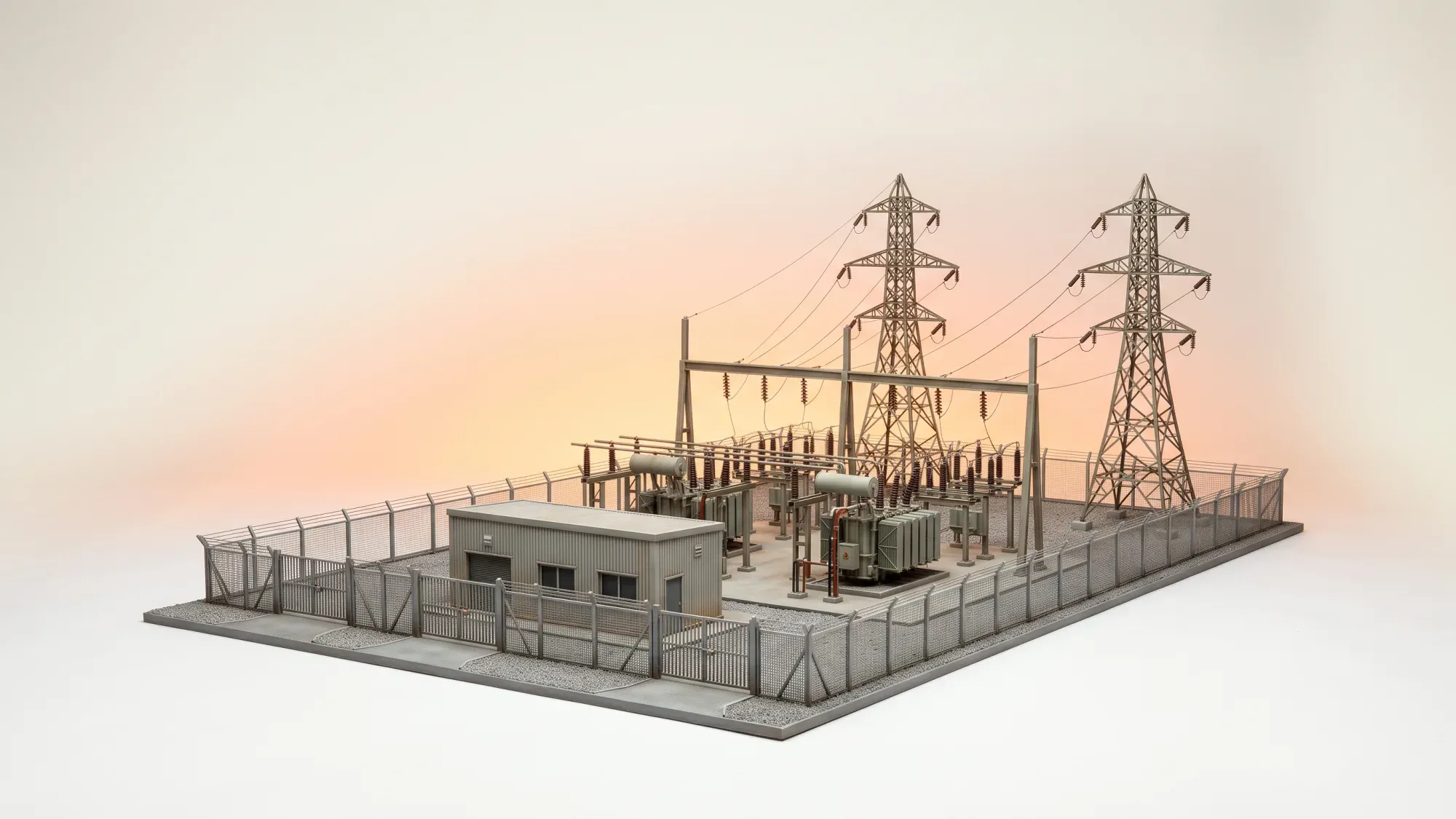
A Distribution Network Operator (DNO) is a company that owns and operates the local electricity network in a specific geographical area. This network includes the cables, substations, and power lines that deliver electricity from the national transmission grid directly to homes. DNOs are crucial for ensuring a safe and reliable electricity supply.
The UK's electricity backbone
In Great Britain, there are 14 licensed DNOs, each responsible for a distinct regional distribution services area. These DNOs are owned by six different corporate groups and are regulated by Ofgem, the Gas and Electricity Markets Authority, which sets the framework for their operations and charges. Their role is to maintain the infrastructure that carries electricity up to your property's meter point.
DNO vs IDNO: what's the difference?
While DNOs cover large, established geographical regions, Independent DNOs (IDNOs) are also licensed by Ofgem to own and operate electricity networks. IDNOs typically build and maintain smaller, newer networks, often connecting new housing developments, commercial parks, or EV charging hubs to the regional DNO's main network. Unlike DNOs, which are tied to specific regions, an IDNO can operate networks anywhere in Great Britain. IDNOs must adhere to the same safety and performance standards as DNOs.
DNO vs energy supplier: understanding the distinction
One of the most common points of confusion for homeowners is the difference between their DNO and their energy supplier. These are two separate entities with distinct responsibilities.
Who does what in your energy supply?
Your energy supplier is the company you pay your electricity bills to. They are responsible for selling you electricity, handling your billing, and managing customer service related to your account.
Your DNO, on the other hand, is responsible for the physical infrastructure that delivers the electricity. They do not sell you energy; instead, they ensure the network is maintained and that power reaches your property safely.
Why this distinction matters
Knowing the difference is vital, especially when you encounter an issue. If you have a question about your bill, tariff, or account, you should contact your energy supplier. However, if you experience a power cut, a fault with the local network, or need a new connection, your DNO is the company to contact. Assuming your energy supplier can resolve all technical grid-related problems is a common pitfall.
What are your DNO's key responsibilities?
DNOs have several critical responsibilities that ensure the smooth and safe operation of the electricity network.
Maintaining the network
DNOs are tasked with owning, operating, and maintaining the local electricity distribution network. This includes all the cables, substations, and power lines that bring electricity to your home. They conduct routine inspections and reactive maintenance to keep the infrastructure in good working order.
Managing power cuts and faults
During a power cut or a fault with the local network, it is your DNO, not your energy supplier, that is responsible for restoring power. They have teams available 24/7 to respond to emergencies and address issues on their networks.
Facilitating new connections and upgrades
DNOs also play a crucial role in facilitating new electricity connections and upgrades to existing supplies. This includes connecting new homes to the grid and managing modifications for significant home energy upgrades.
How to find your DNO
Identifying your specific DNO is straightforward, even if you do not know it off-hand.
Using the ENA postcode lookup tool
The quickest way to find your DNO is by using the Energy Networks Association (ENA) postcode lookup tool. Simply enter your postcode, and the tool will tell you who your electricity DNO is. You can also call 105, the free power cut emergency number, from any landline or mobile in England, Scotland, and Wales, and you will be automatically connected to your local network operator.
How many DNOs are there in Great Britain?
There are 14 licensed DNOs in Great Britain, owned by six different corporate groups. Each is responsible for a specific regional electricity distribution services area, ensuring power delivery to homes across the country.
What to do if you can't find your DNO
If you are unable to find your DNO using the postcode tool or by calling 105, you can often find your DNO's details on your electricity bill. Your Meter Point Administration Number (MPAN), a 21-digit number, contains a "Distributor ID" which identifies your DNO.
Why your DNO matters for home energy upgrades
Your DNO's role extends beyond just keeping the lights on; they are a key player in many home energy upgrades.
EV charger installations
If you are considering installing an electric vehicle (EV) charger at home, you will need to notify or get approval from your DNO. This is because EV chargers can draw significant power, and the DNO needs to ensure the local network can handle the increased demand without issues. Fuse offers installation of the Easee One EV charger, and understanding DNO requirements is part of a smooth installation process.
Solar panel connections
For homeowners installing solar panels, especially larger rooftop systems, notifying or obtaining approval from your DNO is often a requirement. Even for compliant plug-in solar kits, the consumer or their supplier must notify the DNO under G98 within 28 days of installation. This ensures the DNO is aware of generation connected to their network and can manage grid stability.
Meter relocations and supply upgrades
Any significant changes to your electricity supply, such as relocating your meter or upgrading your supply capacity, will involve your DNO. For example, a non-standard meter relocation may require the DNO to move the Fuse cutout. These types of projects require coordination with the DNO to ensure safety and compliance with network standards. Fuse can support meter relocations in some cases, and the involvement of the DNO is a key factor in these projects.
Understanding your DNO's role empowers you to navigate your home energy needs more effectively. By knowing who to contact and when, you can ensure a smoother process for everything from power cuts to installing the latest energy technologies.
Managing your home energy should be simple and transparent. Fuse Energy provides clear pricing and real-time usage data through our app, helping you stay in control of your bills. Our 24/7 human support team is always available to assist you. Discover a smarter way to manage your energy and explore our mission to make energy abundant. Click here to switch to Fuse Energy today, or learn more about our vision here.
Disclaimer
For the avoidance of doubt, this article is provided for informational purposes only and is not intended to constitute legal or financial advice. The author and/or Fuse Energy shall not be responsible for any losses arising out of any reliance on the information contained herein.