DCC smart meters: secure data communication
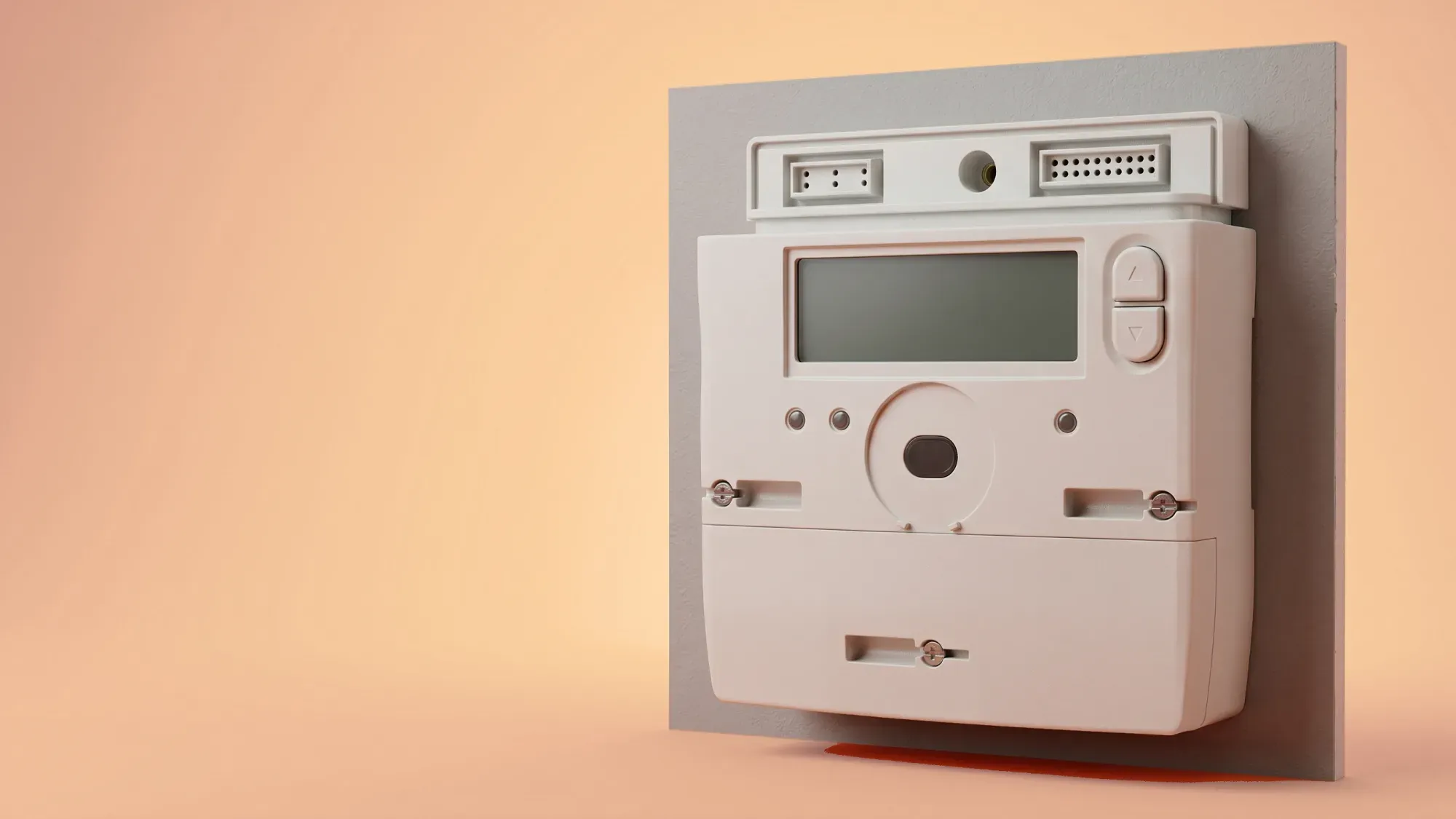
A Data Communications Company (DCC) smart meter is a vital part of Great Britain's modern energy infrastructure, ensuring secure and efficient data exchange between your home and energy suppliers. These advanced meters enable accurate billing and support smarter energy management, contributing to a future with more abundant energy. Understanding how they work and the benefits they offer can empower you to manage your home's energy effectively and reduce anxiety about your bills.
DCC smart meters are at the heart of a more connected energy system, offering transparency and control over your household's energy use.
Thinking about DCC smart meters? With Fuse Energy, you get clear pricing, real-time usage data, 24/7 human customer support, and a modern energy experience designed around you. Signing up takes just a few minutes, so you can take control of your bills from day one. Click here to switch to Fuse Energy today and start saving.
Enter your address to get a quote and see how much you could save
What is the data Communications Company (DCC)?
The DCC operates the secure data network that connects smart meters to energy suppliers and network operators across Great Britain. It is a licensed organisation responsible for building and maintaining this critical infrastructure. The DCC's role is foundational, ensuring that the vast amounts of energy usage data generated by smart meters are transmitted reliably and securely.
The role of DCC in Great Britain's energy network
The DCC acts as the central nervous system for the smart meter network. It provides the secure communication channels that allow smart meters to send energy usage data to your supplier and network operator. This eliminates the need for manual meter readings, enabling accurate billing and providing up-to-date consumption data. The DCC operates under a licence granted by the government and is regulated by Ofgem, ensuring its adherence to strict regulatory requirements. Smart meters in Great Britain are also regulated by Ofgem, which oversees the energy markets and protects consumers.
How smart meters communicate with the DCC
Smart meters communicate with the DCC network using a dedicated, secure wireless network. This network is separate from your home broadband or mobile phone signal. Once connected, smart meters automatically send readings, typically daily, to ensure accurate billing and provide up-to-date consumption data. This constant flow of information is essential for managing the energy grid efficiently and for offering consumers more dynamic energy tariffs.
Ensuring data security and privacy
Concerns about data security and privacy are common with any new technology that handles personal information. The DCC network is designed with robust security protocols to protect consumer data and ensure privacy, making it a trusted backbone for the UK's smart energy infrastructure.
Encryption and secure protocols
The DCC employs advanced encryption and secure communication protocols to safeguard the data transmitted from your smart meter. This ensures that your energy usage information is protected from unauthorised access and cyber threats. The network is built with robust security measures, providing a high level of assurance for data integrity and confidentiality.
What is the Smart Energy Code (SEC)?
The SEC refers to the industry code that establishes the rights and obligations for all aspects of smart metering design, development, installation, and operation in Great Britain. It is a multi-party agreement that governs the end-to-end management of smart metering, including data protection and privacy, and is created through the DCC Licence.
Who can access your smart meter data?
Only authorised parties, primarily your energy supplier and network operator, can access your smart meter data via the DCC network. This access is strictly controlled and regulated by Ofgem and the SEC. Your data is used for billing, energy management, and to help maintain the stability of the National Grid. You have control over how your data is shared. Your energy supplier can receive your meter readings at intervals arranged between you and them, and you can decide whether to share your secure smart meter readings daily or half-hourly. Energy network operators can access some anonymised energy use data, which cannot be traced back to you.
Benefits of DCC smart meters for consumers
Beyond simply replacing traditional meters, DCC smart meters offer tangible benefits that empower consumers and contribute to a more efficient energy system.
Accurate billing and real-time insights
One of the most immediate benefits of a DCC smart meter is accurate billing. By automatically sending readings, smart meters eliminate estimated bills, ensuring you only pay for the energy you actually use. This also provides you with up-to-date consumption data, often accessible through your energy supplier's app or online portal, allowing you to track your usage and identify patterns. This transparency can help you make informed decisions about your energy consumption.
Enabling a smarter energy system
DCC smart meters are a fundamental component of the UK's transition to a more efficient, flexible, and abundant energy system. They support grid modernisation by providing network operators with better insights into energy demand, which helps balance supply and demand more effectively. This also enables the introduction of smart tariffs, which can offer cheaper electricity during off-peak hours, encouraging consumers to shift their energy use and further support a greener, more stable grid.
What happens when a smart meter goes offline?
While smart meters are designed for reliable communication, like any technology, they can sometimes go offline. Understanding what this means and how to address it can provide peace of mind.
Understanding meter status indicators
Your smart meter's communication status can typically be categorised as 'ONLINE', 'OFFLINE', 'CONNECTING', or 'LOW_BATTERY' (for gas meters).
- ONLINE: The meter is actively sending data to the DCC network.
- OFFLINE: The meter is not sending data. This could be due to a temporary network issue, a problem with the meter itself, or local interference.
- CONNECTING: The meter is attempting to establish a connection to the network.
- LOW_BATTERY: This status applies specifically to smart gas meters, which operate on battery power. A low battery can affect communication. For an SMETS1 gas meter, a fully dead battery will close the internal safety valve, cutting off the gas supply until the meter is exchanged.
Steps to troubleshoot connectivity issues
If your smart meter goes offline, your energy supply will not be immediately affected. Your supplier will typically revert to estimated billing until communication is restored. If the problem persists, contact your energy supplier. They can diagnose the issue remotely and, if necessary, arrange for an engineer visit. Fuse's 24/7 human customer support can assist you with any smart meter connectivity queries.
It is important to remember that a dead gas meter battery requires a full meter exchange; Fuse does not install or replace gas meter batteries.
The future of smart metering and energy abundance
DCC smart meters are more than just a convenience; they are a cornerstone of the UK's energy future, aligning with a vision of energy abundance and greater consumer control.
How smart data supports grid modernisation
The continuous flow of data from smart meters allows for unprecedented insight into energy consumption patterns across the country. This data is crucial for grid modernisation, enabling better forecasting, more efficient balancing of energy supply and demand, and the integration of more renewable energy sources. This leads to a more resilient and sustainable energy system for everyone.
Empowering consumers with energy control
By providing accurate data and enabling smart tariffs, DCC smart meters empower consumers to take greater control over their energy usage and costs. This transparency reduces anxiety about hidden costs and allows for more informed decisions about energy consumption. As the energy system evolves, smart meters will continue to play a key role in offering innovative solutions that benefit both individual households and the National Grid.
Managing your home's energy with a DCC smart meter should be straightforward and clear. Fuse Energy provides clear pricing, real-time usage data through our app, and 24/7 human customer support, ensuring you have the tools and assistance needed to manage your energy with confidence. Click here to switch to Fuse Energy today and take control of your energy.
Disclaimer
For the avoidance of doubt, this article is provided for informational purposes only and is not intended to constitute legal or financial advice. The author and/or Fuse Energy shall not be responsible for any losses arising out of any reliance on the information contained herein.