The data communication company explained
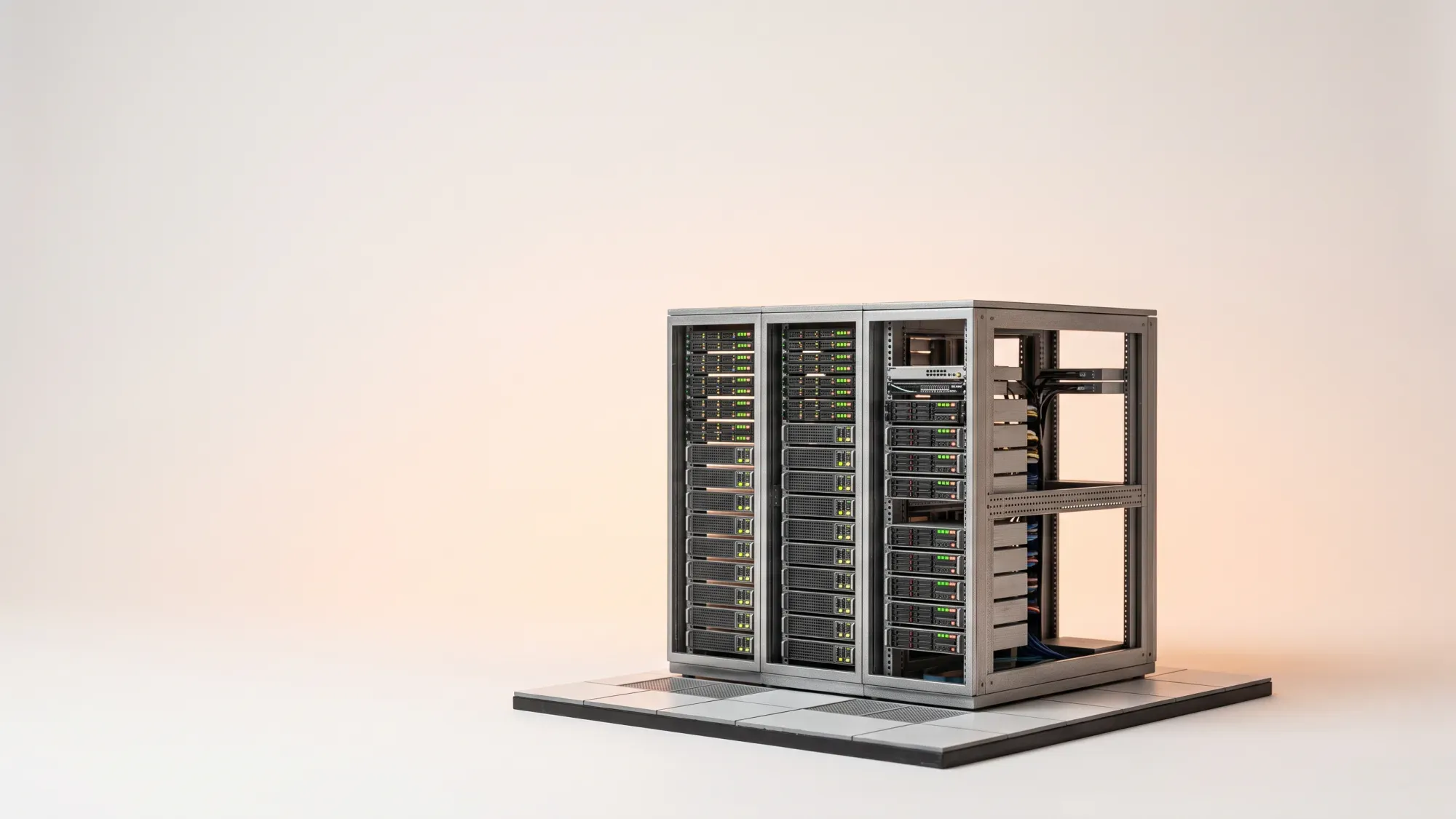
Reliable data communication underpins modern operations, from everyday business functions to critical national infrastructure. For UK organisations, understanding the landscape of data communication services is crucial for efficiency, competitiveness, and growth. This article explores the types of data communication companies, their offerings, and the specialised role of the Data Communications Company (DCC) within the UK energy sector.
Fuse Energy focuses on providing residential customers with clear pricing and real-time usage data, enabled by secure and efficient data communication. Click here to switch to Fuse Energy today and take control of your home energy.
Enter your address to get a quote and see how much you could save
What is a data communication company?
A data communication company provides the infrastructure and services that allow information to be transmitted and received effectively. These services are fundamental to nearly every aspect of modern commerce, from internal operations to customer interactions.
Defining data communication
Data communication, in a business context, refers to the electronic exchange of information between computer systems, devices, and networks. It encompasses everything from sending an email to complex cloud-based applications and real-time data analytics. Without robust data communication, organisations would struggle to operate, collaborate, or reach their customers. It's a foundational element, much like electricity or water, underpinning daily activities and strategic initiatives.
Core services for businesses
General data communication companies offer a broad spectrum of services tailored to business needs. These typically include:
- Structured cabling: The physical network infrastructure within an office or premises, including copper and fibre optic cabling, patch panels, and outlets, ensuring reliable internal connectivity.
- Business broadband and internet services: High-speed internet access, often with dedicated bandwidth (leased lines) or enhanced service level agreements (SLAs) compared to residential offerings, crucial for online operations, cloud access, and communication.
- Cloud connectivity: Secure and efficient connections to cloud-based services and data centres, enabling access to applications, storage, and computing resources.
- Voice over IP (VoIP) and unified communications: Integrated solutions that combine voice, video, messaging, and collaboration tools into a single platform, streamlining internal and external communication.
- Managed IT support solutions: Comprehensive support for a business's IT infrastructure, including network monitoring, cybersecurity, and technical assistance, ensuring smooth operation and problem resolution.
- Mobile and wireless solutions: Providing mobile contracts, shared data plans, and wireless network installations to support flexible working and on-the-go connectivity.
These services are designed to enhance productivity, improve communication, and provide the necessary digital backbone for businesses to thrive.
The data communications company (DCC) and smart meters
While general data communication companies serve a wide array of business needs, the UK energy sector relies on a highly specialised data network managed by the DCC. This entity plays a unique and critical role in the nation's energy infrastructure.
DCC's role in the UK energy sector
The DCC operates the national smart metering network, enabling secure communication between energy suppliers and SMETS smart meters across Great Britain. Its primary task is to provide a central, standardised communications infrastructure that connects smart meters in homes and small businesses to energy suppliers, network operators, and other authorised parties. The DCC operates under a licence and is regulated by Ofgem, the energy regulator for Great Britain. This regulation ensures the security, privacy, and integrity of smart meter data across the UK energy sector. The smart meter rollout and the associated data network are key components of the UK government's energy policy, aimed at modernising the energy grid and facilitating the nation's journey to Net Zero by 2050.
How smart meters transmit data
Smart meters automatically measure energy usage and transmit this data to energy suppliers via the DCC network. Unlike traditional meters that require manual readings, smart meters send readings at regular intervals. This near real-time communication helps enable more accurate billing and better energy management for consumers.
Smart meters use a combination of technologies for data transmission:
- Wireless networks: Many smart meters connect to a Home Area Network (HAN), which then transmits data to a Wide Area Network (WAN) via cellular networks.
- Powerline communications: Some meters utilise existing power lines to send data.
- RF transmitters: These devices send data to a central hub that forwards it to the energy provider.
The DCC network is a secure, dedicated communications network, separate from public broadband, ensuring a high level of security and resilience for sensitive energy data.
Ensuring data security and reliability
The DCC's role extends beyond mere data transmission; it is fundamentally about ensuring the security and reliability of the smart meter network. The network is designed with robust cybersecurity measures, including encryption, to prevent unauthorised access and protect consumer information. The DCC handles meter readings and operational data necessary for smart meter functionality, transmitting this information securely between the smart meter and the energy supplier. It acts as a neutral party, facilitating communication while operating under strict governance to maintain the integrity of the data. This secure and reliable data flow is essential for the functioning of the smart energy system, enabling accurate billing, supporting flexible tariffs, and contributing to a smarter, greener energy grid.
Why robust data communication matters for UK businesses
Beyond the specialised energy sector, robust data communication is a strategic asset for any UK business. It underpins operational efficiency, enables informed decision-making, and prepares organisations for future growth.
Boosting operational efficiency
Reliable and fast data communication directly translates into increased operational efficiency. Businesses can process transactions quicker, access cloud-based resources without delay, and support remote or hybrid working models seamlessly. This reduces downtime, speeds up data transfer, and allows employees to use multiple internet applications concurrently without lag, significantly boosting productivity. When communications are reliable, it also creates a smoother experience for both employees and customers, leading to fewer frustrations and more effective interactions.
Enabling informed decision-making
Access to timely, reliable, and secure data is critical for informed decision-making. With a robust data communication infrastructure, businesses can gather and analyse real-time information, gaining valuable insights into market trends, customer behaviour, and internal performance. This data-driven approach allows companies to identify recurring issues, adjust strategies quickly, and refine their analysis of customer needs, leading to better outcomes and a competitive edge.
Preparing for future growth
A scalable and secure data infrastructure is not just about current needs; it's an investment in future growth. As businesses expand, adopt new technologies like AI and IoT, or venture into new markets, their data communication requirements will evolve. A well-chosen data communication partner can provide solutions that scale with demand, integrate with emerging technologies, and offer the flexibility needed to adapt to a changing business landscape. This forward-looking approach ensures that data infrastructure remains an enabler, not a bottleneck, for innovation and expansion.
Choosing your data communication partner
Selecting the right data communication partner is a critical decision for any UK business. It requires careful assessment of current and future needs, thorough evaluation of potential providers, and consideration of long-term support and integration.
Assessing your specific requirements
The first step is to clearly define your business's data communication requirements. Consider your current operations: how many employees, what applications do you use, what are your peak usage times? Crucially, think about your future plans: anticipated growth, adoption of new cloud services, potential for remote work expansion, or increased data processing needs. This assessment should cover bandwidth, security needs, geographical reach, and the types of services (e.g., voice, data, cloud) that are most important to your daily operations.
Key factors for provider evaluation
When evaluating potential data communication providers, several key factors should guide your decision:
- Reliability: Look for providers with a proven track record of high uptime and stable connections. Ask about their network infrastructure and redundancy measures.
- Security protocols: Ensure the provider has robust security measures in place to protect your data from cyber threats. This includes encryption, firewalls, and compliance with relevant data protection regulations.
- Scalability: Can the services easily scale up or down to meet changing business demands without significant disruption or cost?
- Customer support: Responsive and knowledgeable customer service is essential. Look for providers with good customer satisfaction scores and clear support channels.
- Cost-Effectiveness: While price is a factor, evaluate the overall value, considering the features, reliability, and support included in the package.
- Industry expertise: Some providers specialise in certain sectors or types of services, which might be beneficial for specific business needs.
What should a business consider when choosing a data communication provider?
A business should evaluate a provider based on reliability, security protocols, scalability, and quality of customer support. It's also crucial to assess their track record, ensure their services align with both current and future operational needs, and consider how seamlessly their solutions integrate with existing IT infrastructure.
Seamless integration and ongoing support
A new data communication solution should integrate smoothly with your existing IT infrastructure and business systems. Discuss integration processes with potential providers and ensure they offer comprehensive ongoing support, including monitoring and maintenance. A provider that acts as a true partner, offering proactive advice and swift resolution of issues, can significantly contribute to your business's long-term success.
Fuse Energy's foundation: the role of data communication
Fuse Energy's vision to rebuild the energy system from scratch is fundamentally reliant on advanced data communication infrastructure. While Fuse Energy focuses exclusively on residential energy supply and does not provide data communication services or infrastructure solutions to UK businesses, its operations demonstrate the critical role of robust data flow in modern energy management.
Powering our smart energy solutions
Fuse Energy leverages sophisticated data communication to deliver its smart energy solutions to residential customers. The Fuse Energy app, for example, provides customers with control and transparency over their energy usage, a capability entirely dependent on seamless and secure data communication from smart meters. This real-time data flow helps enable accurate billing, personalised insights, and the optimisation of energy consumption within the home. Our ability to offer clear pricing and real-time usage data is directly enabled by the secure transmission of smart meter data via networks like the DCC.
Delivering on the abundant energy vision
Achieving Fuse Energy's vision of delivering terawatt-hours of the cheapest, cleanest energy possible requires sophisticated data analysis and communication. This involves integrating renewable sources, managing demand efficiently, and optimising energy delivery across the grid. Advanced data communication infrastructure is essential for smart grid operations, enabling the dynamic management of energy flows and supporting innovations like AI-driven forecasting for our solar and wind projects. This integrated, AI-optimised system is designed to deliver abundant, clean energy, challenging the conventional notion of energy scarcity.
Our commitment to data integrity and customer experience
Fuse Energy's reliance on secure and efficient data communication underscores its commitment to data integrity and a superior customer experience for its residential users. The secure handling of energy consumption data is paramount to providing accurate services and maintaining customer trust. By utilising robust data communication networks, Fuse Energy ensures that its residential customers receive reliable information and the tools they need to manage their energy effectively.
Managing your home energy should be straightforward and transparent. Fuse Energy offers clear pricing, real-time usage data through our app, and 24/7 human customer support to help you understand and control your energy consumption. Switching is quick and easy, allowing you to take advantage of a modern energy experience designed for your home. Click here to switch to Fuse Energy today. Discover more about our mission to make energy abundant by clicking here.
Disclaimer
For the avoidance of doubt, this article is provided for informational purposes only and is not intended to constitute legal or financial advice. The author and/or Fuse Energy shall not be responsible for any losses arising out of any reliance on the information contained herein.