Cost to solar power your home
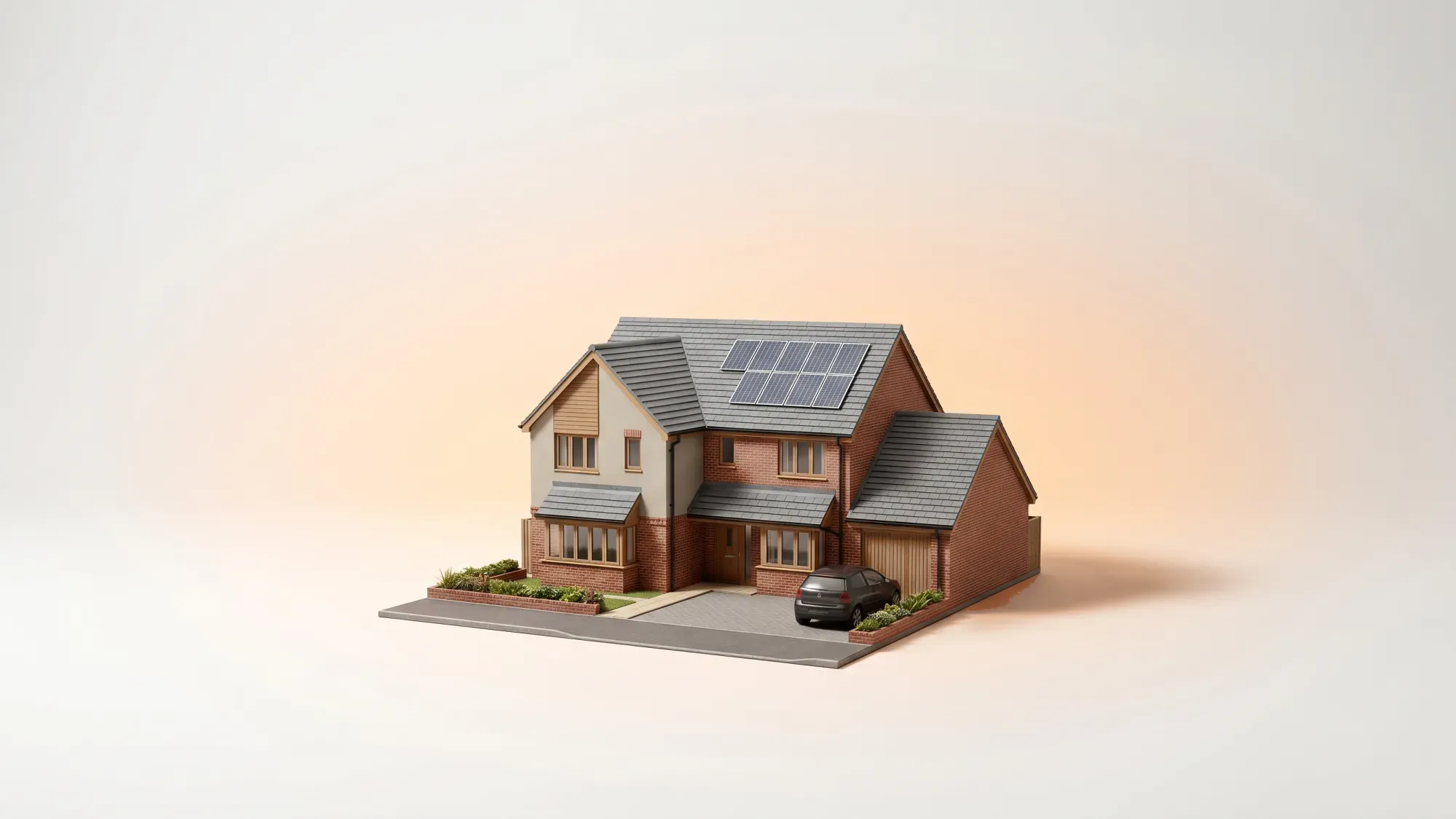
Investing in solar panels for your home is a strategic move, shifting the balance of power over your energy into your own hands. It is a power play that positions solar as the gateway to energy independence and surplus within a seamless home energy ecosystem. Understanding the true financial investment and long-term benefits of residential solar power is key to making an informed decision for your home.
Choose an MCS and TrustMark certified installer. They should handle planning approvals, DNO applications, paperwork, installation and final checks. Click here to explore how we can help you power your home with solar.
Enter your address to get a quote and see how much you could save
Understanding solar panel costs in the UK
The upfront cost of a solar panel system is a primary consideration for many UK homeowners. However, focusing solely on this initial outlay without considering the long-term savings and potential earnings overlooks the full financial picture. The price of a residential solar system in the UK varies significantly, influenced by system size, panel type, and installation complexity.
Average solar panel system costs
In 2026, a typical residential solar system in the UK costs between £5,000 and £12,000, depending on system size, panel quality, and whether battery storage is included. For a standard 4 kilowatt (kW) solar photovoltaic (PV) system, often suitable for an average 2-3 bedroom home, you can usually expect to pay between £6,500 and £8,500. This size is a common choice, balancing upfront cost with a strong return on investment.
Key factors influencing solar panel cost
Several factors contribute to the overall cost of a solar panel installation:
- System size: Larger homes or those with higher energy demands will require more panels and a larger system, increasing costs. Most domestic UK installs are roughly 3.5 kW to 5.0 kW, sized to roof space and annual consumption.
- Panel type: Monocrystalline panels are generally more efficient and can be more expensive than other types. The brand and warranty of the panels also play a role.
- Inverter type: String inverters are common, but optimisers or micro-inverters can increase efficiency and cost, especially for roofs with shading issues.
- Roof complexity: Difficult-to-access roofs, unusual angles, or specific tile types can add to labour and scaffolding costs.
- Battery storage: While optional, integrating a solar battery significantly increases the initial investment, typically by £3,000 to £7,000, but enhances energy independence and savings.
- Installation company: Quotes can vary between certified installers, reflecting their experience, service quality, and warranty offerings.
Breaking down the cost components
A solar panel system involves more than just the panels themselves. Understanding each component helps clarify where your investment goes.
Solar panels and inverters
The solar panels are the most visible part of the system, converting sunlight into direct current (DC) electricity. The inverter then converts the DC electricity into alternating current (AC) electricity, which your home appliances use. The quality and efficiency of both these components directly impact your system's performance and longevity.
Mounting systems and electrical work
Panels need secure mounting on your roof, which involves a robust racking system. The electrical work includes wiring the panels to the inverter, connecting the inverter to your home's consumer unit, and ensuring all connections comply with UK electrical safety standards. This work must be carried out by qualified electricians.
Installation labour and scaffolding
The physical installation process involves skilled labour for mounting panels, wiring, and commissioning the system. Scaffolding is often required to ensure safe access to the roof, which adds to the overall cost. The complexity of your roof and the ease of access will influence these labour and scaffolding expenses.
The role of battery storage
Integrating battery storage allows you to store excess solar electricity generated during the day for use in the evenings or on cloudy days. This maximises your self-consumption, further reducing reliance on grid electricity and increasing your energy independence. While adding a battery significantly increases the upfront cost, it can enhance long-term savings and provide backup power during outages.
Financial benefits and savings
The investment in solar panels delivers substantial financial benefits over their lifespan, transforming your home into a power-generating asset.
Reducing your electricity bills
Generating your own electricity means buying less from the grid, directly reducing your monthly electricity bills. The average UK home uses around 2,700 kilowatt-hours (kWh) of electricity per year1, and a well-sized solar system can significantly offset this consumption. This reduction provides a tangible advantage against rising energy prices.
The Smart Export Guarantee (SEG)
Any excess electricity your solar panels generate that you do not use or store can be sold back to the grid through the Smart Export Guarantee (SEG). This government-backed scheme mandates that licensed electricity suppliers offer a tariff for electricity exported to the grid. This means your solar panels can actively earn you money, turning surplus energy into a financial reward. SEG rates vary significantly between suppliers, ranging from 3p to over 20p per kWh.
Increasing your home's value
Installing solar panels can also increase your property's value. Studies suggest that owned solar panels reliably add between 0.9% and 7.1% to a property's resale value in the UK. This uplift is often due to improved energy efficiency and lower running costs, making your home more attractive to potential buyers.
Is solar power worth the investment?
For many homeowners, solar power is not just an expense but an investment in future financial security and energy autonomy.
Calculating your payback period
The payback period is the time it takes for the savings from your solar panels to equal their initial cost. This period varies based on your system's size, installation cost, electricity consumption, and the export tariff rates you receive. Most residential solar systems in the UK achieve payback within approximately 7 to 12 years. While an upfront investment, the long-term savings on electricity bills and earnings from the SEG mean solar panels typically pay for themselves over several years, after which you enjoy free electricity generation.
How much can solar panels save me annually?
A well-sized solar PV system can significantly reduce your electricity bills by offsetting a large portion of your household's energy consumption. Combined with earnings from the SEG for exported surplus energy, homeowners can see substantial annual savings, making the initial investment worthwhile over time.
Long-term energy independence
Beyond the financial returns, solar panels offer unparalleled energy independence. Generating your own power reduces your reliance on external energy suppliers and protects you from volatile energy market fluctuations. This control over your energy supply is a powerful advantage, providing peace of mind and greater financial stability.
Navigating the solar installation process
Embarking on your solar journey involves a few key steps, from initial research to final installation.
Getting quotes and choosing an installer
Start by assessing your home's energy needs and suitability for solar. Research different solar panel system types and components. Then, obtain multiple quotes from certified installers. Do not choose solely based on the lowest price; verify installers' credentials, experience, and warranty offerings. A reputable installer will provide a detailed breakdown of costs and expected performance. Choose an MCS and TrustMark certified installer. They should handle planning approvals, DNO applications, paperwork, installation and final checks.
What to expect during installation
Once you have chosen an installer, they will handle the necessary permits and planning. The installation process typically involves scaffolding erection, mounting the panels on your roof, installing the inverter and any battery storage, and connecting the system to your home's electrical supply. The installer will then commission the system and provide you with all necessary documentation and instructions for monitoring your new energy source. All solar panel installations must comply with UK building regulations and electrical safety standards.
Making an informed decision for your home
Choosing to solar power your home is a significant decision that offers long-term benefits.
Considering your energy needs
Before committing, consider your household's current and future energy consumption. A system sized appropriately for your needs will maximise your savings and efficiency. Think about potential changes, such as purchasing an electric vehicle or installing a heat pump, which might increase your electricity demand.
Future-proofing your home
Investing in solar panels is a proactive step towards future-proofing your home. It provides a reliable, sustainable energy source, increases your property's value, and offers a degree of insulation from future energy price increases. This strategic move aligns with a future where energy is abundant, giving you the power to play with. Fuse Energy provides 24/7 human customer support to assist with your energy needs, including guidance on solar installation and ongoing energy management.
Ready to take control of your home's energy and explore the benefits of solar power? Fuse Energy makes it simple to switch to a modern energy experience with clear pricing and real-time usage data. Our dedicated team is here to support you every step of the way.
Click here to switch to Fuse Energy today and start your journey towards energy independence. You can also learn more about our mission to make energy abundant by clicking here.
References
Disclaimer
For the avoidance of doubt, this article is provided for informational purposes only and is not intended to constitute legal or financial advice. The author and/or Fuse Energy shall not be responsible for any losses arising out of any reliance on the information contained herein.