Commercial heat pump costs
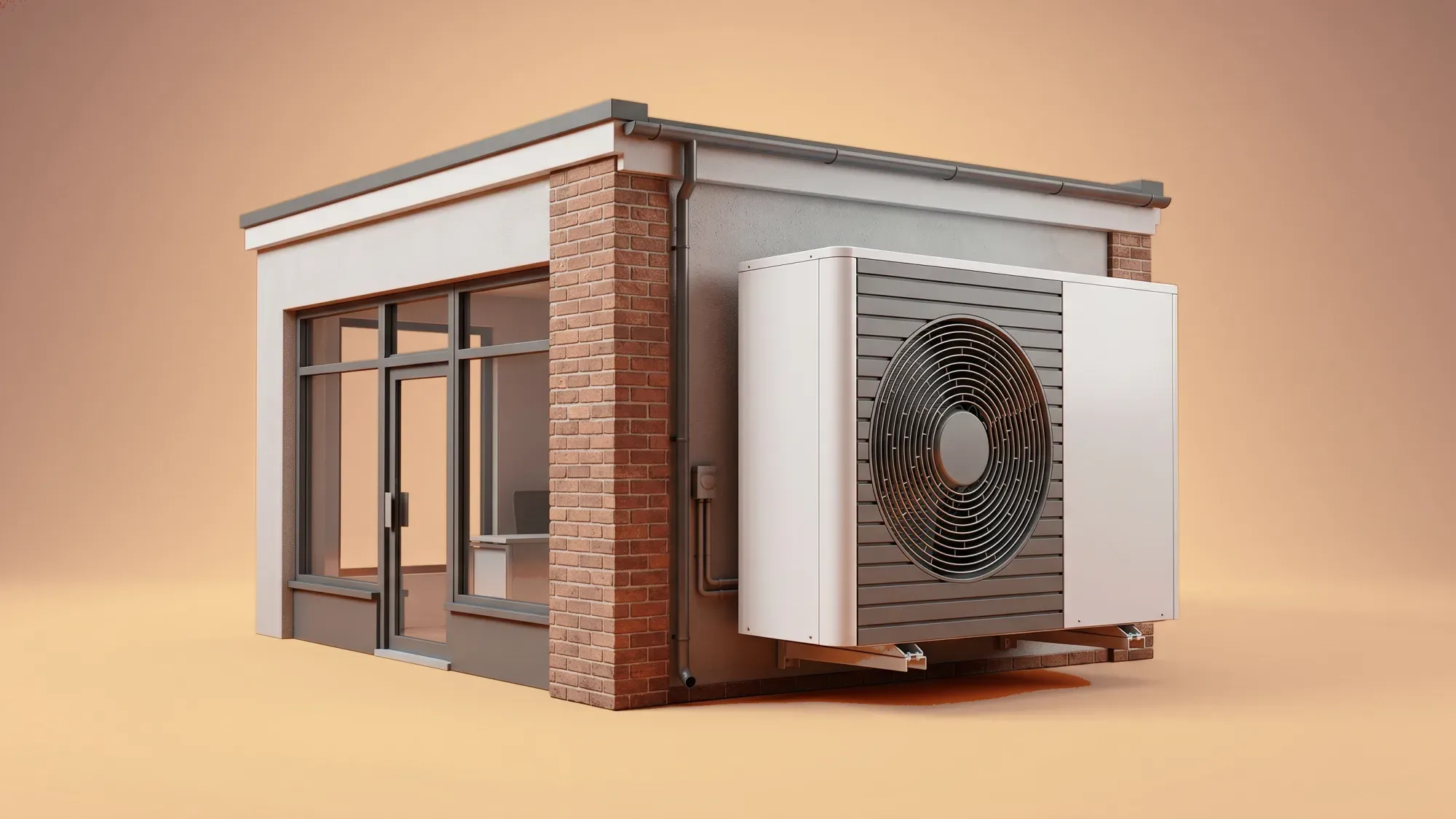
Investing in commercial heat pumps represents a significant capital outlay for UK businesses, with costs varying widely based on the system's type, capacity, and the complexity of its installation. However, these systems offer a strategic advantage, enabling businesses to manage volatile energy costs and gain greater control over their energy future. Understanding the total cost of ownership, including upfront investment, running costs, and maintenance, is crucial for businesses evaluating this transition.
Fuse Energy is a residential energy supplier, focused on providing abundant, clean energy for homes. While we currently serve residential customers only, we believe in sharing insights that contribute to a future with power to play with for all sectors. For commercial enquiries, please join our waitlist for future solutions.
Understanding commercial heat pump costs
Commercial heat pump costs are not a single figure; they are influenced by numerous factors that collectively determine the overall investment. Businesses must look beyond the initial purchase price to grasp the full financial implications and long-term value.
Initial investment: what to expect
The upfront cost of a commercial heat pump system can vary significantly. For a typical 200-500kW thermal system, air source heat pumps (ASHPs) might range from £80,000 to £250,000, while ground source heat pumps (GSHPs) could be between £120,000 and £600,000. This investment typically covers the heat pump units themselves, new controls, buffer vessels, and necessary upgrades to electrical infrastructure or integration with existing building management systems.
Factors influencing upfront costs
Several key variables dictate the initial expenditure for a commercial heat pump installation:
- Capacity (kW): The size of the heat pump system must match the property's heating demand. Larger buildings with higher heat requirements naturally need more powerful, and thus more expensive, systems.
- Type of heat pump: Air source heat pumps generally have lower installation costs compared to ground source systems, which require extensive groundwork.
- Building suitability and existing infrastructure: The condition of the existing heating system, pipework, and radiators can significantly impact costs. Older buildings may require additional upgrades to ensure the heat pump runs efficiently.
- Installation complexity: Factors like access to the site, the need for scaffolding, and the extent of modifications to existing pipework or electrical systems can all drive up labour and material costs.
- Ancillary equipment: Beyond the heat pump itself, costs include buffer tanks, hot water cylinders, new controls, and potentially upgrades to the electrical supply.
Types of commercial heat pumps and their costs
The choice of heat pump technology significantly impacts both upfront costs and long-term operational efficiency.
Commercial air source heat pump cost
Commercial air source heat pumps (ASHPs) are typically a common choice due to their relatively lower installation costs and simpler deployment. For a 100 kW thermal system, indicative costs might range from £55,000 to £95,000, increasing to £210,000-£380,000 for a 500 kW thermal system. These systems extract heat from the outside air and are suitable for most commercial space heating and hot water needs.
Commercial ground source heat pump cost
Ground source heat pumps (GSHPs) involve higher upfront costs due to the need for extensive groundwork, such as drilling boreholes or excavating trenches for ground loops. However, they often boast higher efficiency and more stable performance, as ground temperatures are more consistent than air temperatures. For a 100 kW thermal system, costs could range from £90,000 to £160,000, escalating to £360,000-£640,000 for a 500 kW thermal system.
Other heat pump systems
While air and ground source are the most prevalent, other types include water source heat pumps, which draw heat from nearby bodies of water. These are less common for general commercial applications but can be highly efficient where a suitable water source is available. High-temperature industrial heat pumps, designed for process heat above 90°C, carry a premium and can cost £150,000-£500,000+.
Operational and maintenance costs
Beyond the initial investment, businesses must factor in the ongoing costs of running and maintaining a commercial heat pump system to accurately assess its long-term viability.
Running costs and energy consumption
Commercial heat pumps are highly efficient, typically producing three to four units of heat for every unit of electricity consumed. This efficiency can lead to significant reductions in energy bills compared to traditional fossil fuel systems. For instance, an air source heat pump with a Coefficient of Performance (COP) of 3.2, operating with an indicative commercial electricity price of 24p/kWh, would produce heat at approximately 7.5p per kWh. This compares favourably to gas boilers, which might cost 7-8p per kWh of heat at similar commercial gas prices. Actual running costs will vary based on electricity tariffs, the system's efficiency, and the building's heating demand.
Maintenance and servicing considerations
Commercial heat pumps are generally reliable and require minimal maintenance compared to traditional boilers. Annual servicing is typically recommended, with costs starting from around £250 (excluding VAT) for commercial systems, depending on the unit's size, configuration, and complexity. Regular maintenance ensures optimal efficiency and extends the system's lifespan, which can be between 15 to 25 years.
Potential savings and return on investment
Switching to a commercial heat pump offers businesses substantial long-term benefits, including reduced energy bills, lower carbon emissions, and a solid return on investment.
Energy bill reductions
The high efficiency of heat pumps translates directly into lower operational energy costs. Businesses can expect to see significant reductions in their heating bills, especially when replacing older, less efficient fossil fuel systems. Some reports suggest savings of up to 50% on energy costs compared to traditional HVAC systems. These savings are further amplified when combined with renewable energy sources like solar panels, which can directly power the heat pump.
Carbon emission savings
Commercial heat pumps play a crucial role in helping businesses meet Net Zero targets by significantly reducing their carbon footprint. Switching from a fossil fuel boiler to a commercial heat pump can cut a business's carbon emissions by 60% to 75%. This reduction is vital for environmental compliance and corporate social responsibility.
How much carbon can a commercial heat pump save?
Switching from a fossil fuel boiler to a commercial heat pump can reduce a business's carbon emissions by 60% to 75%. This significant reduction helps businesses contribute to Net Zero targets and improve their environmental performance, aligning with broader UK decarbonisation goals.
Calculating payback periods
The payback period for commercial heat pumps typically ranges from 5 to 10 years. This timeframe can vary depending on factors such as the initial investment, system efficiency, fluctuations in energy prices, and the availability of grant funding. While the upfront cost can be considerable, the long-term savings on energy bills and reduced maintenance often lead to a favourable return on investment.
Government grants and financing options
To encourage the adoption of low-carbon heating, the UK government offers various incentives and financing options for businesses.
The Boiler Upgrade Scheme (BUS)
The Boiler Upgrade Scheme (BUS) is a government grant available in England and Wales to help property owners, including small business owners, offset the initial investment in heat pump technology. The scheme offers grants of £7,500 towards the cost of installing an air source or ground source heat pump in eligible properties.
To access the BUS grant, the property owner works with an MCS-certified installer. The installer assesses the property, confirms eligibility, and then submits the voucher application to Ofgem on the property owner's behalf. Once the installation is complete and approved, the installer claims the grant, and the reduced amount is reflected in the final invoice.
Other UK business grants and incentives
Beyond the BUS, other schemes and incentives may be available depending on the business's sector and location. These can include:
- Public sector decarbonisation scheme (PSDS): Provides grants for public sector bodies to fund heat decarbonisation and energy efficiency projects.
- Salix finance: Offers interest-free loans for public sector organisations to invest in energy-efficient technologies, including heat pumps.
- Full expensing: Commercial heat pump plant qualifies for Full Expensing, allowing companies subject to Corporation Tax to deduct 100% of the cost of qualifying plant and machinery from their taxable profits in the year of purchase. This can result in an effective corporation tax saving of up to 25% of the original purchase price for tax-paying companies.
- Local growth funds: Some mayoral strategic authorities and local councils may offer specific grants or support for businesses within their regions.
Businesses should research all eligible schemes and consult with their chosen installer or an energy consultant to maximise funding opportunities.
Commercial financing solutions
For investments not fully covered by grants, various commercial financing solutions are available. These can include traditional bank loans, asset finance, or green finance products designed for energy-efficient upgrades. Some providers also offer "capex-free funding options," where the upfront cost is covered, and repayment is made through energy savings.
Making a strategic investment for your business
Transitioning to commercial heat pumps is more than just an energy upgrade; it's a strategic investment that aligns with long-term business goals and national decarbonisation efforts.
Assessing building suitability
Before committing to a heat pump system, a thorough assessment of your commercial property's heating demand and suitability is essential. This includes evaluating insulation levels, existing heating infrastructure, and electrical capacity. A well-insulated building will maximise heat pump efficiency and potentially allow for a smaller, less costly system.
The long-term value of low-carbon heating
Commercial heat pumps offer businesses a pathway to greater energy independence and resilience against volatile fossil fuel prices. By reducing reliance on traditional heating methods, businesses can gain more control over their operational costs and contribute positively to Net Zero targets. This strategic shift not only provides immediate financial and environmental benefits but also positions businesses as forward-thinking leaders in the energy transition, aligning with a future where abundant, cleaner energy is the norm.
Disclaimer
For the avoidance of doubt, this article is provided for informational purposes only and is not intended to constitute legal or financial advice. The author and/or Fuse Energy shall not be responsible for any losses arising out of any reliance on the information contained herein.