Commercial gas meter installation
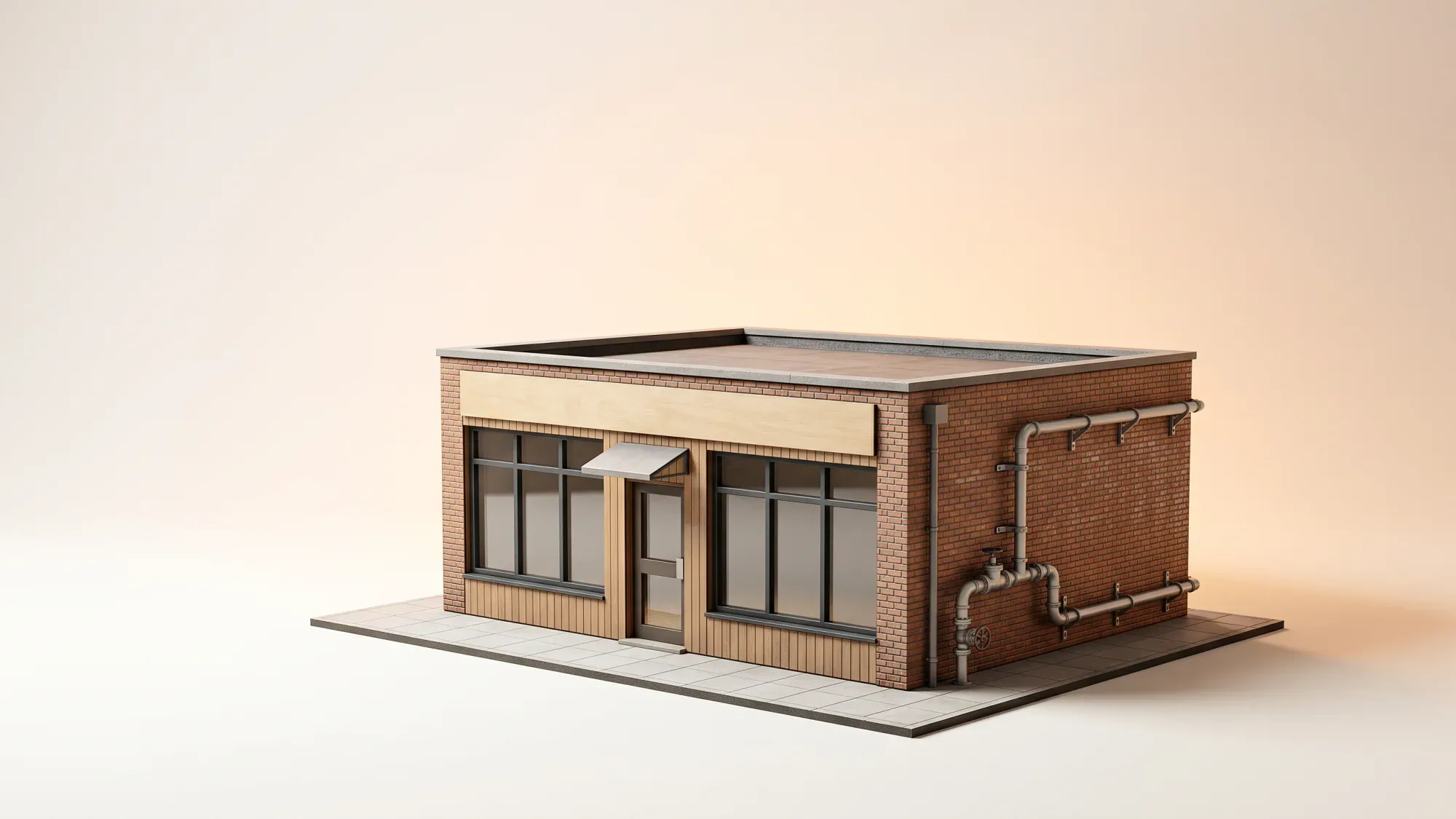
Installing a commercial gas meter in the UK is a regulated process that requires careful planning and coordination. It involves assessing a business's specific energy needs, engaging qualified professionals, and navigating various regulatory requirements to ensure a safe and compliant setup. This guide provides a clear, step-by-step overview of what UK business owners and facility managers need to know, from understanding meter types to managing costs and timelines.
Understanding commercial gas meters
Commercial gas meters are essential for accurately measuring the gas consumed by businesses, enabling precise billing and effective energy management. Unlike domestic meters, commercial meters are designed to handle higher capacities and often come with more complex installation requirements.
What is a commercial gas meter?
A commercial gas meter is a device that measures the volume of natural gas supplied to a business premises. This measurement is crucial for calculating energy bills and monitoring consumption. These meters are distinct from residential ones due to the varying gas demands of commercial operations, which can range from small retail units to large industrial facilities.
Types of commercial gas meters
The type of commercial gas meter a business needs depends on its annual gas consumption and peak hourly demand. Common types include:
- U6 (BK-G6 or G4) meters: Suitable for smaller businesses with lower consumption.
- Larger meters (U16, U25, U40, U65, U100, U160 and above): Required for businesses with higher gas demands, often necessitating specially designed meter rigs. Gas meters with a capacity of 10 m³/hour or above are not eligible for standard meter exchanges and require specialist handling.
- Smart meters (SMETS2): Increasingly becoming the standard, these meters automatically send readings to a supplier, offering real-time data and accurate billing.
Why you might need a new installation
Several scenarios might prompt the need for a new commercial gas meter installation:
- New premises: Moving into a new building without an existing gas supply.
- Refurbishment or relocation: If an existing meter needs to be moved due to renovations. A meter relocation is the movement of an existing gas meter to a new position within the same property.
- Faulty or outdated meter: Replacing a meter that is no longer functioning correctly or has reached the end of its certified life, typically 10 to 40 years.
- Increased demand: Upgrading to a larger capacity meter to meet growing business needs.
The commercial gas meter installation process
Installing a commercial gas meter in the UK is a multi-stage process that involves coordination between the business, a Gas Safe registered installer, and the Gas Network Operator.
Initial assessment and planning
The first step involves a thorough assessment of a business's current and future gas requirements. This includes determining the maximum gas demand the business will need, considering any expansion plans, and conducting a site survey to identify the best location for the meter. Understanding the annual gas load and peak hourly load is crucial for selecting the correct meter size.
Engaging the right professionals
Businesses will need to engage a Gas Safe registered installer or a utility infrastructure provider. Gas Safe registration is a legal requirement for anyone carrying out gas work in the UK, ensuring they are competent and qualified. These professionals will conduct the site survey and provide a quotation for the connection work. A Meter Asset Manager (MAM) is the industry-appointed party responsible for installing, maintaining, replacing, and removing gas meters.
Connection and commissioning
Once the planning is complete, the physical installation work can begin. This involves laying pipes from the main supply to the property, connecting them to the local gas network, and installing the meter itself. After installation, the meter must be commissioned, activated, and registered correctly. All meters used for billing must be of an approved design and stamped to confirm their accuracy and compliance with regulations.
Typical timelines and potential delays
The timeline for commercial gas meter installation can vary significantly. A straightforward meter replacement might take as little as two weeks. However, new connections, especially those requiring extensions to the gas main, can take anywhere from 4-6 weeks to 3-9 months. Factors like local authority permits, site readiness, and the complexity of groundwork can all contribute to delays.
Costs associated with commercial gas meter installation
Understanding the costs involved in commercial gas meter installation is critical for budgeting and avoiding unexpected overruns.
Factors influencing installation costs
Commercial gas meter installation costs are highly variable and depend on several key factors:
- Meter size and type: Larger meters or those with advanced features typically cost more.
- Site location and complexity: Difficult access, the need for extensive groundwork, or significant distances from the main gas line will increase costs.
- New connection vs replacement: Installing a completely new connection is generally more expensive than replacing an existing meter.
- Pressure requirements: Medium and high-pressure meters often incur higher costs due to increased safety requirements and specialised engineering skills.
Is commercial gas meter installation free?
While some suppliers may offer free smart meter installations for eligible businesses as part of the nationwide smart meter rollout, this is not always the case for all commercial gas meter installations. Some providers might offer free installation if a new business energy contract is also signed with them. However, for many installations, particularly new connections or those requiring significant infrastructure work, charges will apply. It is important to obtain detailed quotes and compare offers.
How much does a commercial gas meter installation cost?
Costs vary significantly, from basic meter replacements to complex new connections requiring main extensions. Factors like meter size, site location, and pressure requirements heavily influence the final price. Some suppliers may offer free smart meter installations or free installation when switching energy contracts.
Budgeting for your project
To budget effectively, obtain detailed quotes from multiple providers, including Gas Network Operators and independent utility infrastructure providers. Ensure these quotes cover all potential aspects, from initial surveys and connection fees to the physical meter installation and commissioning. Factor in potential additional costs such as site preparation, traffic management permits, and any necessary upgrades to internal pipework.
Regulatory requirements and safety standards
All commercial gas meter installations in the UK must adhere to stringent regulatory requirements and safety standards to protect businesses and the public.
Key UK regulations
The primary legislation governing gas installations and safety in the UK is the Gas Safety (Installation and Use) Regulations 1998 (GSIUR). These regulations set out legal requirements for gas fittings and appliances, ensuring they are installed, maintained, and used safely. The Gas Act 1986 provides the overarching framework for gas supply, licensing, and consumer protection. Ofgem, the UK's energy regulator, oversees these regulations and ensures fair practices within the energy market.
Gas safe registration
It is a legal requirement that all gas work, including commercial gas meter installations, is carried out by engineers registered with the Gas Safe Register. This official body replaced CORGI in 2009 and maintains a list of qualified and competent gas engineers. Always verify an engineer's Gas Safe ID card before any work commences.
Ongoing compliance and maintenance
Compliance doesn't end with installation. Businesses are responsible for ensuring ongoing maintenance and regular safety checks of their gas installations. Gas meters have a certified life, and replacement is recommended once this period ends, even if the meter appears functional. Regular inspections by Gas Safe registered engineers help ensure continued safe operation and compliance with GSIUR.
Choosing a commercial gas meter provider
Selecting the right provider for a commercial gas meter installation is a crucial decision that impacts both the process and long-term energy supply.
Suppliers vs independent installers
Businesses generally have two main options for arranging an installation:
- Energy suppliers: Many business energy suppliers offer meter installation services, often integrating it with a new energy supply contract. They may offer incentives like free smart meter installations.
- Independent utility infrastructure providers (UIPs) or MAMs: These specialists focus solely on the infrastructure and meter installation, working independently of energy suppliers. They can be a good option for complex new connections or when separating the installation from an energy supply contract is preferred.
Securing your business energy supply
Once a new meter is installed and commissioned, a business will need to secure a business energy supply contract. It is often possible to coordinate the meter installation with the arrangement of a new business energy supply contract, sometimes leading to more streamlined processes or bundled offers. Ensure tariffs and terms from various suppliers are compared to find the best deal for a business's needs. The Meter Point Reference Number (MPRN) is the unique industry identifier for a gas supply point. Businesses can use the Find My Supplier tool to identify their gas supplier.
The role of smart meters
Smart meters are rapidly becoming the standard for commercial gas installations. They offer numerous benefits, including:
- Accurate billing: Eliminating estimated bills by sending automatic readings to a supplier.
- Real-time data: Providing insights into energy consumption, helping to identify areas for efficiency improvements and cost savings.
- Supplier switching: Modern SMETS2 smart meters remain functional even if an energy supplier is changed.
The UK government's smart meter rollout covers eligible businesses, with installations continuing through 2026, and many suppliers offer free installation for these upgrades.
Preparing for your commercial gas meter installation
Careful preparation can help ensure a smooth and efficient commercial gas meter installation, minimising disruption to business operations.
Site readiness
Before the installation date, ensure the site is ready. This might involve clearing the area where the meter will be installed, ensuring easy access for engineers, and completing any necessary internal pipework modifications. For new connections, the groundwork to lay pipes from the main supply to the property boundary will need to be completed.
Documentation and approvals
Have all relevant documentation prepared, including details of the business's gas requirements, site plans, and any existing MPRNs. Depending on the scale of the work, local authority approvals for road closures or groundwork may be needed, which the chosen installer or network operator will typically manage.
Minimising business disruption
Coordinate closely with the installer to schedule the work at a time that causes the least disruption to the business. This might involve out-of-hours installation or phased work. Clear communication with staff and customers about any temporary interruptions can also help manage expectations.
Navigating commercial gas meter installation in the UK can seem complex, but with a clear understanding of the process, requirements, and potential costs, businesses can approach it with confidence. By engaging Gas Safe registered professionals, understanding regulatory obligations, and planning meticulously, a safe, compliant, and efficient installation that supports a business's energy needs can be ensured.
Disclaimer
For the avoidance of doubt, this article is provided for informational purposes only and is not intended to constitute legal or financial advice. The author and/or Fuse Energy shall not be responsible for any losses arising out of any reliance on the information contained herein.