Cheapest way to heat a room: 26.11p per kWh
Heating a room in the UK does not have to mean sky-high energy bills or constant worry about consumption. Instead of focusing on using less, the key is to use energy smarter, making informed choices that deliver warmth without financial strain. The fundamental driver of affordability for any electric heating method is the unit cost of electricity, currently capped at 26.11p per kilowatt-hour (kWh) for default tariffs from 1 July to 30 September 2026. Understanding this figure is the first step towards taking control of your heating costs and ensuring comfort in your home.
Heating your home efficiently means making smart choices about your energy use. Fuse Energy helps you understand your consumption with clear pricing and in-app usage data, so you can make informed decisions about how you heat your home. Click here to switch to Fuse Energy today.
Enter your address to get a quote and see how much you could save
Understanding your heating costs
Heating your home involves more than just turning on a device; it requires a strategic approach to energy consumption. By understanding the true cost of energy and comparing different heating methods, you can make choices that align with both your comfort needs and your budget.
The true cost of energy: pence per kWh
The price you pay for each unit of electricity, measured in pence per kilowatt-hour (kWh), is the most significant factor in determining your heating expenses. For those on a Standard Variable Tariff, the Ofgem Price Cap sets this rate. From 1 July to 30 September 2026, the electricity unit rate is 26.11p per kWh. This figure allows you to calculate the running cost of any electric heating appliance, providing a clear picture of its impact on your bill. For instance, a typical 2kW electric heater will cost approximately 52.22p per hour to run at this rate (2kW * 26.11p/kWh).
How is electricity cost calculated?
Electricity cost is primarily determined by the unit rate, measured in pence per kilowatt-hour (kWh). To calculate the running cost of an appliance, multiply its power rating in kilowatts (kW) by the number of hours it is used, then by your electricity unit rate. This provides a direct measure of how much energy an appliance consumes and its cost.
Comparing different heating methods
When evaluating heating options, it is crucial to look beyond the initial purchase price. A cheap heater to buy might be expensive to run, and vice versa. Consider the upfront cost, the running cost per hour (based on your unit rate), and the efficiency of the method for your specific needs. Heating an entire home with central heating can be costly, especially if only one room is occupied. The average UK home uses around 2,500 kWh of electricity per year, according to Ofgem's medium typical domestic consumption value1. Targeted heating of individual rooms can be a far more cost-effective strategy for many households. Understanding your energy bill can help you identify areas for potential savings.
Cost-effective electric heating options
Electric heating has evolved beyond simple fan heaters, offering a range of options that can provide efficient and targeted warmth.
Electric blankets and throws
For personal warmth, electric blankets and heated throws are exceptionally cost-effective. They heat you directly rather than the air in the room, making them highly efficient. Running costs can be as low as a few pence per hour, typically ranging from 2p to 6p, depending on the wattage and settings. A 100W electric blanket, for example, might cost around 2.61p per hour to run at the current electricity price cap (0.1kW * 26.11p/kWh). This makes them an ideal solution for staying warm while sitting on the sofa or in bed, significantly cheaper than heating an entire room or house.
Infrared heating panels
Infrared heating panels offer an alternative approach by directly warming objects and people in a room, similar to how the sun's rays provide warmth. Unlike convection heaters that primarily warm the air, infrared panels can provide a more efficient form of heat in certain settings, as less energy is lost through draughts or heating unoccupied spaces. They are highly efficient at the point of use, converting nearly 100% of electricity into heat. Some studies suggest they can be up to 60% more efficient than traditional radiators for heating costs in specific scenarios. These panels can be wall-mounted and heat up quickly, providing targeted warmth where it is needed most.
Halogen heaters and fan heaters
Halogen heaters and fan heaters provide instant, directional heat, making them suitable for quickly warming a small area or for occasional use. While they can be effective for short bursts of warmth, their running costs can add up if used for extended periods. A typical 2kW electric heater, which includes many fan heaters, costs approximately 52.22p per hour to run at the current electricity price cap. While useful for immediate warmth, they are generally less efficient for sustained heating compared to options that retain heat better or target warmth more precisely.
Maximising heat retention: insulation and draught-proofing
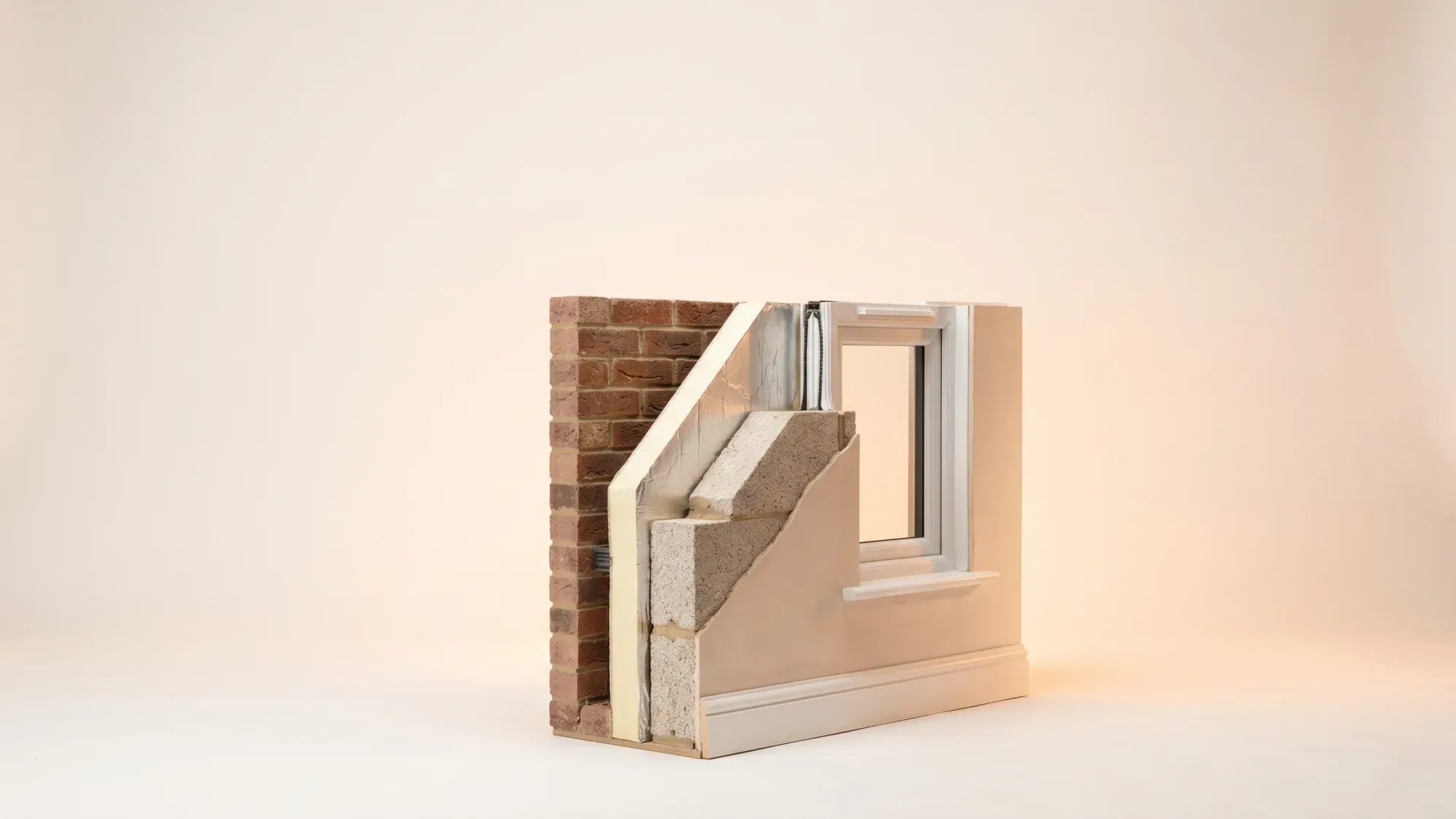
No matter how efficient your heating method, heat will escape if your room is not properly insulated or draught-proofed. Addressing these issues is fundamental to reducing energy consumption and keeping your heating costs down.
Sealing gaps and cracks
One of the simplest and most effective ways to prevent heat loss is to seal gaps and cracks around windows, doors, and skirting boards. Draught excluders for doors and self-adhesive foam strips for windows can make a noticeable difference, stopping warm air from escaping and cold air from entering. This small investment can lead to significant savings on your heating bill. For more energy-saving tips, especially during winter, consider exploring additional resources.
Window and door treatments
Windows and doors are common culprits for heat loss. Heavy curtains or thermal blinds can provide an extra layer of insulation, especially at night. Ensure curtains are drawn when it is dark to trap heat inside. For doors, consider adding a brush or hinged flap draught excluder at the bottom, and ensure they close tightly against their frames.
Flooring and wall insulation
While more involved, improving flooring and wall insulation can drastically reduce heat loss. Rugs and carpets add a layer of insulation to floors, preventing heat from escaping downwards. For walls, consider internal or external insulation if feasible, or even reflective foil behind radiators to bounce heat back into the room rather than letting it escape through the wall.
Smart strategies for targeted warmth
Heating your home efficiently means heating only what you need, when you need it. Smart strategies focus on targeted warmth and intelligent control.
Heating only the rooms you use
One of the biggest energy-saving strategies is to avoid heating unoccupied rooms. If you spend most of your time in one or two rooms, focus your heating efforts there. Close doors to unheated rooms to prevent warm air from escaping and cold air from seeping into your main living areas. This approach prevents wasted energy and keeps costs down.
Optimising central heating for single rooms
While central heating is designed for whole-house warmth, it can be optimised for single rooms. Using thermostatic radiator valves (TRVs) allows you to control the heat output of individual radiators. Turn down or switch off radiators in rooms you are not using, and set the TRV in your main room to your desired comfort level. This provides a nuanced comparison to electric spot heating, as central heating can be more economical for larger, frequently used areas, but less so for isolated, short-term warmth.
Using timers and thermostats effectively
Smart controls, timers, and thermostats are invaluable tools for managing your heating. Program your heating to come on only when you need it, and set your thermostat to a comfortable but not excessive temperature. Even reducing your thermostat by one degree can lead to noticeable savings. Smart thermostats can learn your habits and adjust heating automatically, further optimising energy use.
Making your energy go further with Fuse
At Fuse, we believe in empowering you to heat your rooms affordably, turning heating from a cost anxiety into a comfortable choice. We do not settle for the scarcity story; instead, we encourage 'using smarter' to achieve comfort without guilt.
The Fuse app: your tool for smart usage
The Fuse app provides transparent usage data, enabling you to monitor and optimise your room heating strategies for maximum savings. By seeing exactly how much energy you are using and when, you can make informed decisions about your heating methods and adjust your habits for optimal efficiency. This capability gives you the control to manage your energy usage smartly, making cost-effective heating a tangible advantage.
Accessing cheaper energy rates
Fuse's vision is a future with abundant energy, achieved by delivering the cheapest kWh possible. By choosing Fuse, you gain access to energy rates designed to make efficient heating methods inherently more affordable. This approach aligns with our core belief that instead of rationing warmth, you should be able to achieve comfort without compromise, supported by a future of energy abundance.
Ready to take control of your home heating costs? Switch to Fuse Energy today for clear pricing, real-time usage data, and 24/7 human customer support. Our quick online sign-up process means you can start managing your energy smarter in minutes. Click here to get started. You can also learn more about our mission to build a future with abundant energy here.
References
Disclaimer
For the avoidance of doubt, this article is provided for informational purposes only and is not intended to constitute legal or financial advice. The author and/or Fuse Energy shall not be responsible for any losses arising out of any reliance on the information contained herein.