Optimising home EV and battery charging
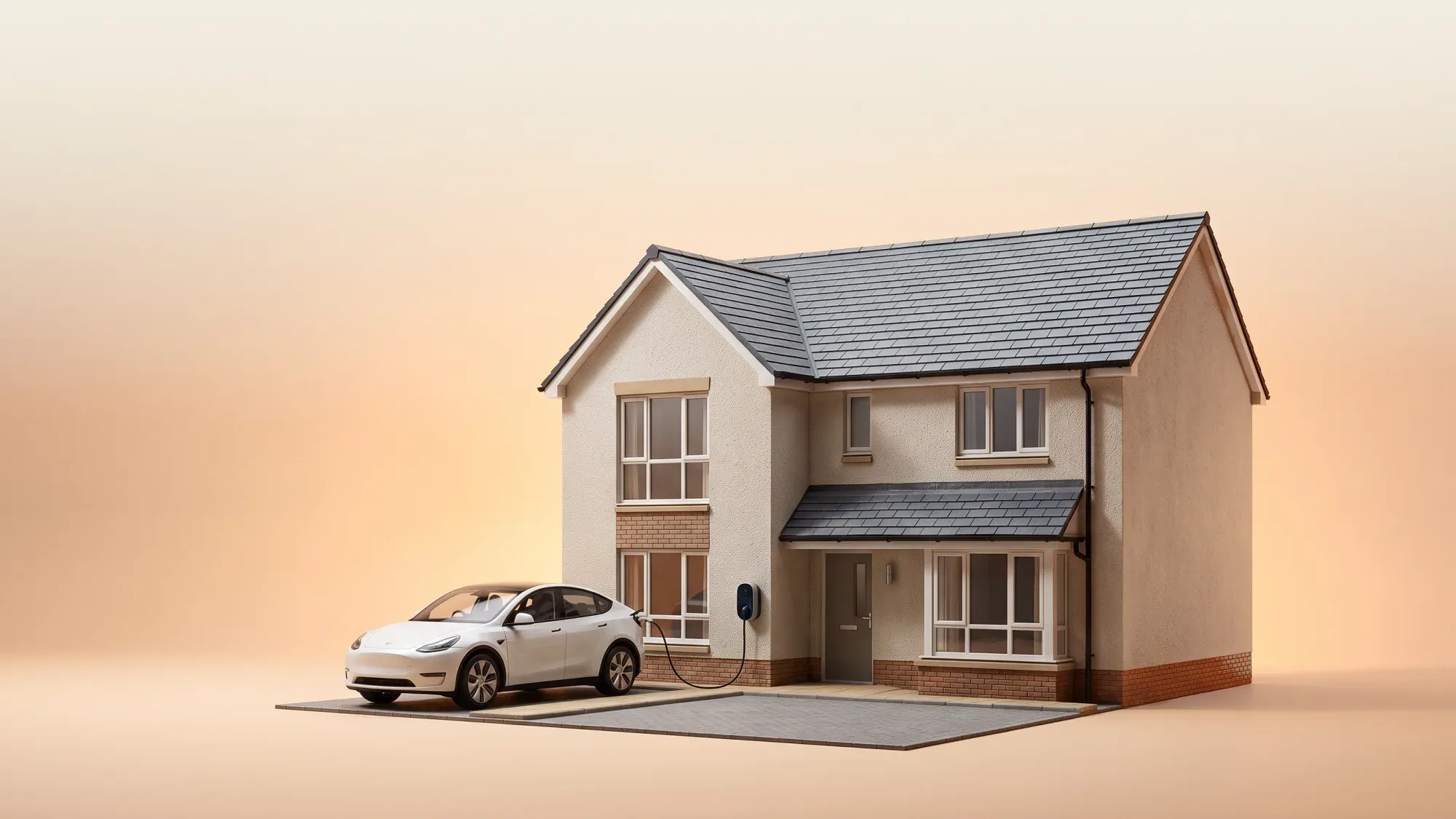
Optimising your home electric vehicle (EV) and battery charging is about smart energy management, not just cutting back. By understanding your energy usage and using smart technology, you can turn charging into a strategic advantage, significantly reducing costs and boosting convenience. This guide will show you how to take control of your home energy, ensuring your EV and battery are always charged efficiently and economically.
The power play of smart home charging
Smart home charging isn't just about plugging in; it's about making your energy work smarter for you. This approach empowers you to manage costs and convenience, transforming a daily necessity into a significant saving opportunity.
Why home charging is a game-changer
Charging your EV or home battery at home offers unparalleled convenience and control. Instead of relying on public charging infrastructure, you can top up your vehicle overnight or whenever electricity is cheapest. This integration into your home energy system means you can align charging with your lifestyle and energy tariff, making it a seamless part of your routine. It also provides a sense of energy independence, knowing you have a reliable and cost-effective power source readily available.
Understanding the cost of charging an electric car
The cost of charging an electric car at home varies significantly based on your electricity tariff and the time of day you charge. Under the Ofgem Price Cap, the unit rate for electricity is 26.11p per kilowatt-hour (kWh) from 1 July to 30 September 2026, plus a daily standing charge of 57.19p. This means the cost of fully charging an EV will depend on its battery capacity and your specific tariff. However, by using off-peak tariffs, this cost can be substantially reduced. Public charging, while convenient, often comes at a higher price, making home charging the most economical option for most EV owners.
Choosing your home EV chargepoint
Selecting the right home chargepoint is crucial for efficient and cost-effective EV ownership. The market offers various options, each with different capabilities and costs.
Types of home chargers and their speeds
Home EV chargers typically fall into two main categories:
- Slow chargers: These are usually standard three-pin plug chargers, typically around 3kW, offering the slowest charging speed. They're suitable for overnight charging if you have a small battery or don't drive long distances daily.
- Fast chargers: Commonly 7kW, these are the most popular home installation, capable of fully charging most EVs overnight. Faster 22kW chargers are available but require a three-phase electricity supply, which is rare in UK residential properties and often incurs higher installation costs.
The speed you need depends on your EV's battery size, your daily mileage, and how quickly you need to recharge.
Navigating the EV Chargepoint Grant
The UK government offers financial support through specific EV chargepoint grants to help with the cost of installing a home chargepoint. These include the EV Chargepoint Grant for renters and flat owners, and the EV Chargepoint Grant for households with on-street parking. These grants can significantly reduce the upfront cost of installation, making home charging more accessible for eligible individuals. It's important to note that customers apply for these grants themselves via the GOV.UK website; installers do not apply on your behalf. Eligibility criteria apply, so it's worth checking the specific requirements before making a purchase.
Installation considerations for your home
Before installing a home chargepoint, consider your property's electrical capacity and the location of the chargepoint. A qualified installer will assess your home to ensure it can safely support the charger and advise on the best placement. Some installations may require upgrades to your home's electrical system, which can add to the overall cost.
Mastering public EV charging
While home charging is often the most economical, public charging networks are essential for longer journeys and when home charging isn't an option.
Understanding public charging networks and costs
The UK has a growing number of public charging networks, each with its own pricing structure and subscription models. Some networks charge per kWh, others per minute, and some combine both. Rapid and ultra-rapid chargers, found at service stations and major routes, offer the fastest charging but are typically the most expensive. Understanding the different networks and their pricing can help you avoid unexpected costs.
Tips for efficient public charging
To make the most of public charging:
- Plan your route: Use apps to locate charging points and check their availability and pricing before you travel.
- Consider subscriptions: If you frequently use a particular network, a subscription might offer reduced rates.
- Charge strategically: Avoid charging to full capacity on rapid chargers, as the charging speed often slows down significantly in the later stages of charging, making it less cost-effective.
- Be mindful of idle fees: Some networks charge a fee if you leave your car connected after it's fully charged.
Finding 'charging station' near you
Numerous apps and online maps can help you locate public charging stations. These tools often provide real-time information on charger availability, type, speed, and cost. Searching for "EV charger near me" or "electric car charger location" on these platforms will show you the closest options, helping you find a convenient 'charge point' or 'EV recharge station' when you're out and about.
Smart charging strategies for cost savings
Smart charging is key to optimising your EV's energy consumption and reducing costs. It involves using technology to charge your vehicle at the most opportune times.
Leveraging off-peak electricity rates
Many electricity tariffs offer cheaper rates during off-peak hours, typically overnight. Smart chargepoints can be programmed to automatically charge your EV during these periods, significantly lowering your charging costs. This strategy aligns with the principle of using energy when it's cheapest and most abundant, turning your EV into an active participant in managing your home's energy usage.
The role of smart meters and apps
Smart meters are fundamental to smart charging, as they enable accurate tracking of your energy consumption and allow for time-of-use tariffs. Coupled with smart charging apps, you can schedule charging, monitor energy usage, and even integrate your EV with other smart home devices. These tools provide the control needed to make intelligent energy decisions, transforming energy consumption from a passive cost into a strategic advantage.
Integrating home batteries with EV charging
For those with home battery storage, integrating it with EV charging offers even greater optimisation. You can charge your home battery when electricity is cheapest or from your solar panels, then use that stored energy to charge your EV. This creates a highly efficient system, further reducing reliance on grid electricity during peak times and maximising savings.
The future of electric vehicle charging
The landscape of EV charging is continuously evolving, promising even greater efficiency and integration.
Innovations in charging technology
Advances in charging technology are leading to faster charging speeds, more efficient systems, and innovative solutions like wireless charging. These developments will make EV ownership even more convenient and accessible, further blurring the lines between traditional vehicles and electric ones.
Grid integration and energy abundance
The future of EV charging is deeply intertwined with grid integration. Smart charging, coupled with vehicle-to-grid (V2G) technology, could allow EVs to not only draw power from the grid but also feed excess energy back into it during periods of high demand. This creates a more resilient and flexible energy system, contributing to overall energy abundance.
Optimisation isn't a One-off task
Optimising your EV charging isn't a set-and-forget task. As tariffs change, technology evolves, and your driving habits shift, regularly reviewing and adjusting your charging strategy will ensure you continue to benefit from the most efficient and cost-effective solutions.
Taking control of your energy
Empowering yourself with knowledge and the right tools allows you to make informed decisions about your energy use, turning what was once a passive expense into an active strategy.
Empowering your energy decisions
By understanding the nuances of EV charging, from home chargepoint grants to smart charging strategies, you gain greater control over your energy usage and costs. This proactive approach aligns with a vision of abundant, manageable energy, where you are in charge of your consumption.
Fuse Energy's approach to smart energy management
Fuse Energy believes in empowering customers to make intelligent energy decisions. While Fuse Energy does not currently offer an EV-specific tariff for new customers, it does offer installation of the Easee One EV charger. Customers can purchase an Easee One charger including installation through the Fuse app or website. Fuse's focus on smart home energy upgrades and an all-in-One app provides the tools for customers to integrate EV charging into a broader, optimised home energy system, aligning with the brand idea that "It's a power play."
Disclaimer
For the avoidance of doubt, this article is provided for informational purposes only and is not intended to constitute legal or financial advice. The author and/or Fuse Energy shall not be responsible for any losses arising out of any reliance on the information contained herein.