Charge anytime: smart EV and home battery tariffs explained
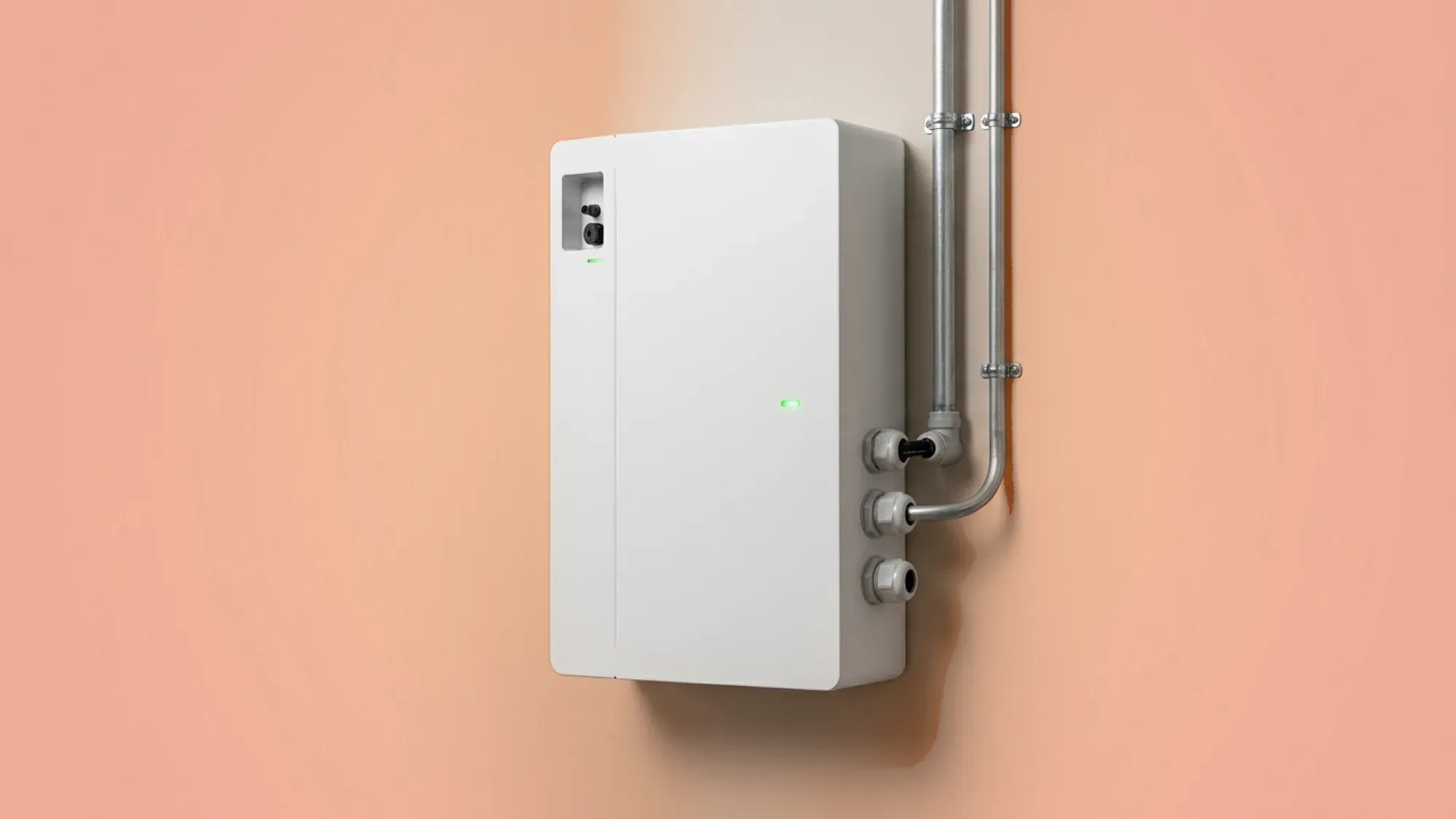
Flexible energy tariffs and smart charging solutions are key to cutting the cost of powering electric vehicles (EVs) and home batteries in the UK. These solutions allow you to charge when electricity is cheapest, often during off-peak hours, turning energy management into a strategic advantage for your household budget.
What is smart charging and how does it work?
Smart charging for EVs and home batteries is an intelligent approach to managing energy consumption. It moves beyond simply plugging in and drawing power immediately, instead optimising when and how much energy is used based on factors like electricity prices and grid demand. This system communicates with your EV, charger, and the energy grid, scheduling charging sessions for when electricity is most affordable, typically overnight. This not only cuts your costs but also helps balance the National Grid by shifting demand away from peak times.
Understanding flexible energy tariffs
Flexible energy tariffs, often known as time-of-use (ToU) tariffs, feature different rates for electricity depending on the time of day. You pay less during off-peak periods, usually late at night or early in the morning when demand on the grid is lower, and more during peak times, such as weekday evenings. This pricing structure encourages you to shift energy-intensive activities, like EV charging or running appliances, to these cheaper windows.
The benefits of smart charging for your home and wallet
The primary benefit of smart charging is the potential for significant cost savings on your energy bills. By automatically charging your EV or home battery during off-peak hours, you take advantage of lower electricity rates. This can make running an EV far cheaper than petrol or diesel vehicles. Beyond financial savings, smart charging offers enhanced convenience and control, allowing you to set desired departure times and battery levels, with the system automatically optimising charging to meet those needs at the lowest cost. This automation means you do not need to manually monitor tariffs or rush to plug in at specific times.
How smart meters enable intelligent energy management
Smart meters are fundamental to accessing flexible energy tariffs and enabling intelligent energy management. They record your electricity usage in half-hourly increments and accurately apply the different unit rates for peak and off-peak periods. While smart meters are the most common way to access flexible tariffs, some older multi-register meters can also support dual rates. These meters eliminate the need for manual readings and provide the foundation for advanced tariffs, offering greater control and optimisation through their technology.
Navigating EV and home battery charging tariffs
Choosing the right tariff is crucial for maximising savings with your EV or home battery. Understanding the different types available and the requirements for accessing them will help you make an informed decision.
Exploring dual-rate and time-of-use tariffs
Dual-rate tariffs, also known as time-of-use tariffs, offer varied unit rates for electricity depending on the time of day. These tariffs typically have higher rates during 'peak' demand periods (e.g., early evenings) and lower rates during 'off-peak' hours (e.g., overnight or when demand is lower). This contrasts with single variable tariffs, which apply one unit rate regardless of when you use electricity. Fuse Energy offers off-peak variable tariffs that apply to your entire household, allowing you to run your EV and other appliances at a lower cost during off-peak windows.
Eligibility for smart charging tariffs
To be eligible for smart charging tariffs, particularly those with dual rates, you generally need a compatible meter that can record peak and off-peak consumption separately. This is typically a smart meter. Some dual-rate tariffs might require specific EV and charger models, though Fuse Energy's dual-rate variable tariff only requires a dual-rate compatible meter, with no specific EV or charger model requirements.
What is a dual-rate compatible meter?
A dual-rate compatible meter is an electricity meter capable of recording consumption during different time bands, allowing for separate billing of peak and off-peak usage. This can be an older multi-register meter or, more commonly, a smart meter, which automatically sends readings to your supplier for accurate billing on time-of-use tariffs.
The importance of a smart meter for flexible rates
A smart meter is typically required for accessing dual-rate or time-of-use energy tariffs, though some multi-register manual meters may also be compatible. It acts as the bridge between your smart EV charger and your energy tariff, providing real-time data on your electricity consumption. This allows your energy supplier to apply the correct peak and off-peak rates and provides you with granular insights into your EV charging costs. Without a smart meter, you might miss out on the intelligent optimisation and potential cost savings that flexible tariffs offer, unless you have a compatible multi-register manual meter.
Optimising your EV and home battery charging
Once you have a smart meter and a flexible tariff, optimising your charging becomes straightforward, allowing you to maximise savings and contribute to a more stable energy grid.
Automating charging for maximum savings
Smart charging allows you to automate your EV and home battery charging to align with the cheapest off-peak electricity rates. You can set your desired departure time and battery level, and the system will automatically schedule charging to meet those needs at the lowest possible cost. This means your EV might charge overnight when electricity is cheaper and greener, even if you plug it in during the evening.
Integrating your EV and home battery with energy apps
Many smart chargers come with user-friendly apps that allow you to monitor your charging status, review energy consumption, and adjust settings from anywhere. Fuse Energy, for example, allows customers to seamlessly connect their EVs to its app to monitor their state of charge and review energy consumption, providing insights to help manage electricity use effectively.
Planning for future energy needs and grid stability
Optimising your charging schedules not only benefits your wallet but also supports the UK's energy grid. By shifting demand away from peak times, you help reduce strain on the energy infrastructure and contribute to a more sustainable energy system. This proactive approach to energy management aligns with the broader goal of leveraging abundant, cheaper energy to maximise EV charging and home battery use without guilt.
The future of flexible energy for UK households
The energy landscape is evolving, with smart technology and flexible tariffs shaping how households consume and manage electricity.
The phase-out of legacy meters (RTS)
The Radio Teleswitch Service (RTS) for legacy meters is being phased out, with the signal switched off from 30 June 2025. RTS meters are an older technology that use a longwave radio signal to switch between peak and off-peak rates. These meters are unsupported for switching, meaning customers with an RTS meter cannot complete a switch to a new supplier until it is replaced. Your current supplier will replace your RTS meter with a smart meter for free, which is necessary to enable switching and access modern flexible tariffs after the phase-out. More information on this can be found on the Ofgem website.
How smart energy empowers consumers
Smart energy empowers consumers by giving them greater control over their energy costs and consumption. With smart meters and flexible tariffs, households can actively manage when they use electricity, taking advantage of cheaper, off-peak rates. This shift from a "use less" narrative to one of "power to play with" allows customers to leverage abundant energy when it is clean and cheap, fostering a mindset of energy abundance rather than scarcity. For more details on how to switch energy supplier, you can read our guide.
What to look for in an energy supplier
When choosing an energy supplier for smart charging, look for transparent pricing, competitive off-peak rates, and a reasonable standing charge. A supplier that offers real-time usage data through an intuitive app, along with responsive customer support, can significantly enhance your energy management experience. Fuse Energy, for instance, offers off-peak variable tariffs and an app that provides clear insights into energy usage, helping customers track and adjust their habits for optimal savings. Understanding your energy price cap can also help in making informed decisions.
Frequently asked questions about smart charging
What is the cheapest time to charge an EV?
The cheapest time to charge an EV is typically during off-peak hours, usually late at night or early in the morning, when electricity demand is low and unit rates on flexible tariffs are significantly reduced. These periods can vary by supplier but typically fall during late night or early morning hours.
Can I use any EV charger with a smart tariff?
While most modern smart EV chargers are compatible with smart tariffs, some specific dual-rate tariffs might require certain EV and charger models. However, for Fuse Energy's dual-rate variable tariff, you only need a dual-rate compatible meter, not a specific EV or charger model. Smart chargers with app control are crucial for scheduling and monitoring.
What if I don't have a smart meter?
If you do not have a smart meter, you might not be able to access dual-rate or time-of-use tariffs, unless you have a compatible multi-register manual meter. You should contact your current energy supplier to arrange a free smart meter installation. Once installed, you can then switch to a flexible tariff and begin optimising your EV and home battery charging. You can also learn more about smart meter installation on our blog.
Disclaimer
For the avoidance of doubt, this article is provided for informational purposes only and is not intended to constitute legal or financial advice. The author and/or Fuse Energy shall not be responsible for any losses arising out of any reliance on the information contained herein.