Central heating cover explained
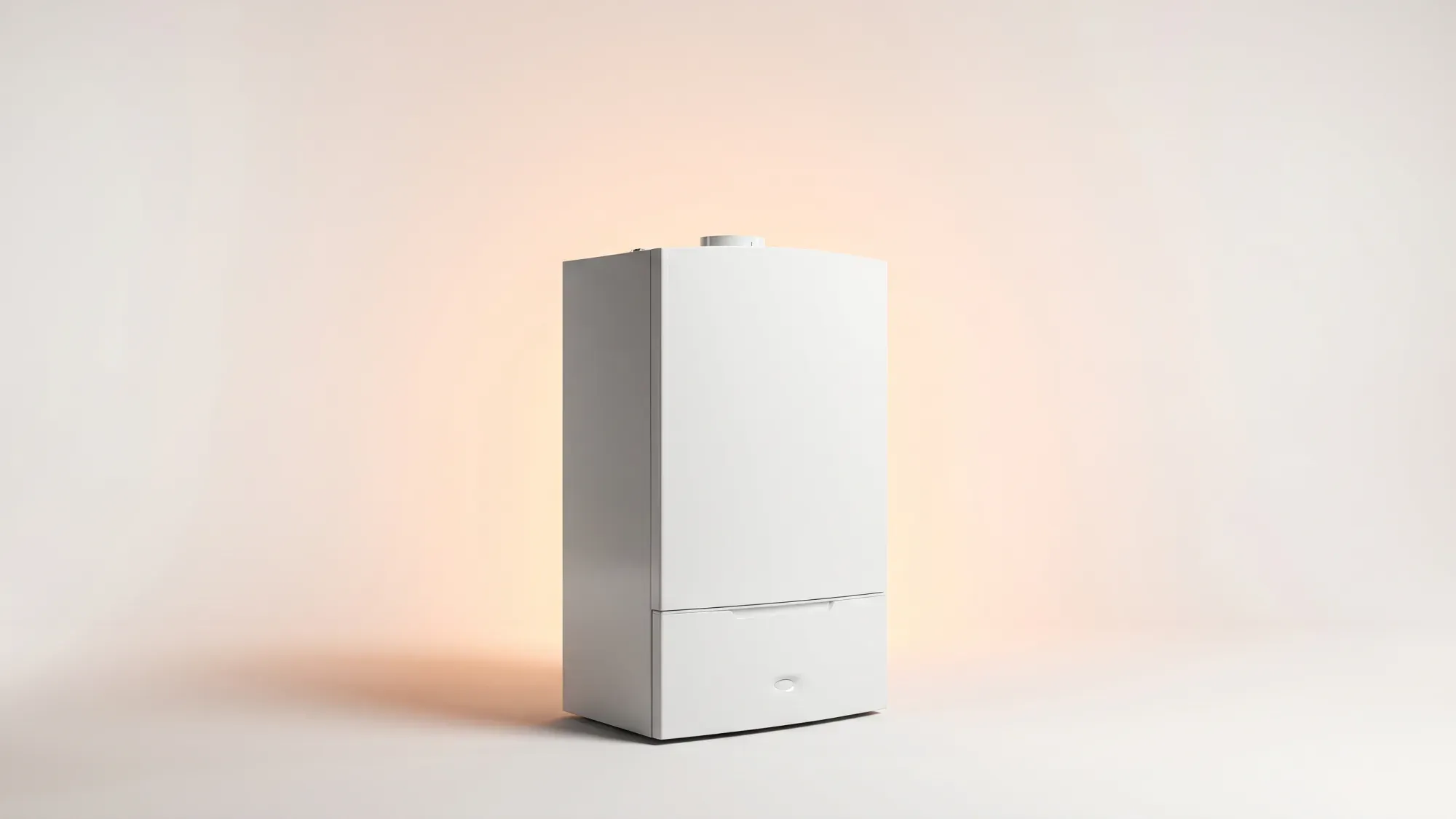
Unexpected heating breakdowns can cause significant financial stress and disrupt daily life. Central heating cover offers financial protection and peace of mind by covering repair costs and providing access to qualified engineers. Understanding the different types of cover, their inclusions, and exclusions is crucial for making an informed decision about protecting your heating system.
While central heating cover protects your home's heating system, Fuse Energy focuses on providing reliable and transparent energy supply. We offer clear pricing and 24/7 human customer support to help you manage your energy usage and bills effectively. Click here to see how easy it is to switch to Fuse Energy.
Enter your address to get a quote and see how much you could save
What is central heating cover?
Central heating cover is an insurance product designed to protect you from the unexpected costs and inconvenience of faults with your heating system. This type of cover is regulated by the Financial Conduct Authority (FCA), ensuring consumer protection in the UK insurance Market. It typically involves a monthly or annual payment in exchange for repairs, parts, and labour if your system breaks down.
Understanding the basics of heating system protection
Your central heating system is a complex network of components, and if any part fails, it can leave you without heating or hot water. Cover plans aim to mitigate the financial risks associated with these failures, which can run into hundreds or even thousands of pounds. Policies vary significantly, from basic boiler protection to comprehensive cover for the entire heating system and wider home emergencies.
Boiler cover versus comprehensive central heating cover
Many homeowners mistakenly believe that "boiler cover" is the same as full central heating cover. While the boiler is the heart of your heating system, boiler-only cover typically protects just the boiler unit and its immediate controls.
Full central heating cover, on the other hand, extends this protection to the wider system, including radiators, pipework, hot water cylinders, and heating controls like thermostats and programmers. This broader scope means that issues like a leaking radiator or a faulty pipe are typically covered, providing more holistic support for your property's heating infrastructure.
What's the difference between boiler cover and central heating cover?
Boiler cover typically protects only the boiler unit and its immediate controls. Comprehensive central heating cover extends this protection to the entire heating system, including radiators, pipework, hot water cylinders, and heating controls, offering broader protection against various faults.
What does central heating cover include (and exclude)?
Central heating cover policies are not all identical, so it's vital to check the specific terms and conditions of any policy before committing.
Typical inclusions in a policy
A comprehensive central heating cover policy often includes:
- Repairs to the boiler and controls: This covers the boiler itself, along with essential components like thermostats and programmers.
- Pipework and radiators: Protection for the internal pipework that carries hot water around your home and the radiators themselves.
- Hot water cylinder: Cover for the cylinder that stores your hot water.
- Parts and labour: Most policies cover the cost of replacement parts and the engineer's labour for repairs.
- Unlimited call-outs: Many providers offer unlimited engineer call-outs, which can be beneficial if your system is older and prone to issues.
- 24/7 emergency helpline: Access to professional assistance around the clock if your heating breaks down.
Common exclusions to be aware of
While cover offers significant protection, there are common exclusions you should know about:
- Pre-existing faults: Problems that existed before you took out the policy are generally not covered. Some policies also have an initial waiting period (e.g., 14 to 30 days) during which you cannot make a claim.
- Damage from sludge or limescale: Many policies exclude repairs for damage caused by the build-up of sludge or limescale in your system.
- Cosmetic repairs: Fixes that don't affect how the boiler works, such as scratches or dents, are typically excluded.
- Specific parts: Some policies may exclude certain parts, or have limits on how much you can claim for repairs each year or per call-out.
- General maintenance: While an annual service is often included, general maintenance work beyond this is usually not covered.
The benefits of an annual boiler service
An annual boiler service is often included as part of comprehensive central heating cover policies. This yearly check by a Gas Safe registered engineer is crucial for several reasons:
- Safety: It ensures your boiler is operating safely, reducing the risk of carbon monoxide leaks.
- Efficiency: Regular servicing helps keep your boiler running efficiently, which can save you money on energy bills.
- Preventative maintenance: It can catch small faults before they escalate into expensive breakdowns.
- Warranty validity: Many boiler manufacturers require annual servicing to keep their warranties valid.
If your policy doesn't include an annual service, you'll likely need to arrange one yourself to keep your cover valid.
Is central heating cover worth it for you?
Deciding whether central heating cover is worth it depends on your individual circumstances, financial situation, and risk tolerance.
Weighing the pros and cons of cover
Pros:
- Peace of mind: Knowing that you're protected against unexpected repair costs can offer significant peace of mind.
- Financial protection: It helps avoid large, unexpected bills for repairs, which can run into hundreds or even thousands of pounds.
- Access to qualified engineers: Policies provide access to Gas Safe registered engineers for urgent fixes.
- Reduced downtime: It can reduce the chances of being without heating or hot water for extended periods.
Cons:
- Cost: Central heating cover typically costs a monthly fee, depending on the level of protection. Over time, this can add up, and you might pay for cover you don't use if your system remains fault-free.
- Exclusions: Pre-existing faults and certain types of damage are often excluded, meaning you might still face unexpected costs.
- Excess fees: Many policies require an excess payment for each call-out or repair, typically ranging from a moderate to significant amount.
- Renewal hikes: Introductory discounts are common, but premiums can increase significantly upon renewal.
For older boilers (over five to seven years old) or those out of manufacturer warranty, cover can be particularly beneficial, as these systems are more prone to breakdowns.
Self-insurance versus paying for cover
An alternative to paying for cover is to "self-insure" by building an emergency fund specifically for heating repairs. This involves setting aside money each month that you would otherwise spend on premiums. If your boiler is newer and still under warranty, this approach might be more cost-effective, as breakdowns are less likely. However, if a major fault occurs before you've saved enough, you'd be responsible for the full cost.
How home insurance relates to heating breakdowns
Standard home insurance policies typically do not cover general wear and tear or breakdowns of your central heating system. While some home insurance providers offer home emergency cover as an add-on, it's crucial to check the terms carefully to ensure it specifically includes central heating breakdowns and not just wider home emergencies like plumbing or electrical faults.
Choosing the right central heating cover
Selecting the best central heating cover requires careful consideration of various factors to ensure the policy meets your specific needs.
Key factors to consider before buying
- Your heating system's age and condition: Older systems are more likely to break down, making comprehensive cover more valuable.
- Level of protection: Decide whether you need boiler-only cover, full central heating cover, or a broader home emergency plan.
- Inclusions and exclusions: Read the policy documents thoroughly to understand exactly what is and isn't covered.
- Annual service: Check if an annual boiler service is included, as this is vital for safety and warranty validity.
- Customer service and engineer network: Consider the provider's reputation for quick response times and access to qualified engineers.
Comparing providers and policy levels
There are many central heating cover providers, including major players and numerous smaller, regional companies. It's advisable to compare various policies, paying close attention to what is included, what is excluded, and any associated costs. Websites like Compare the Market and GoCompare can help you compare options.
Understanding excess fees and call-out limits
Many policies include an excess fee, which is the amount you pay towards each repair. Some plans offer lower monthly premiums with a higher excess, or vice versa. Be aware of call-out limits, as some policies may cap the number of claims you can make in a year. A cheaper plan with a high excess and a call-out cap could end up costing you more in a year with multiple breakdowns than a slightly more expensive plan with no excess and unlimited call-outs.
Protecting your heating system: preventative maintenance
Regardless of whether you have central heating cover, proactive maintenance can significantly reduce the likelihood of breakdowns and extend the life of your system. Preventative maintenance can also help you save on your energy bills by improving efficiency. For more tips, explore our guide on energy efficiency.
Simple steps for homeowners
- Bleed your radiators: If your radiators are cold at the top but warm at the bottom, they likely need bleeding to release trapped air.
- Check your boiler pressure: Low boiler pressure is a common issue that can often be resolved by repressurising your system yourself (refer to your boiler manual).
- Keep vents clear: Ensure that air vents and flues are not blocked, as this can affect efficiency and safety.
- Insulate pipes: Lagging exposed pipes can prevent them from freezing in winter, which can lead to bursts.
- Turn on your heating regularly: Even in warmer months, turning your heating on for a short period once a week can prevent components from seizing up.
The importance of regular professional servicing
While DIY maintenance is helpful, it doesn't replace the need for professional servicing. An annual boiler service by a Gas Safe registered engineer is crucial. As mentioned, it ensures safety, maintains efficiency, and keeps manufacturer warranties valid. This professional check can identify and address potential issues before they cause a complete breakdown, saving you from inconvenient and costly emergency repairs.
Central heating cover for tenants
If you're a tenant, your responsibilities regarding central heating cover differ from those of a homeowner.
Tenant rights and landlord responsibilities
In the UK, landlords are legally responsible for ensuring that gas appliances, including the boiler and central heating system, are safe and in good working order. This includes arranging an annual gas safety check by a Gas Safe registered engineer. Therefore, as a tenant, you typically do not need to purchase central heating cover; it's your landlord's responsibility to maintain and repair the system. If you or someone in your household needs extra support, you might be eligible for the Priority Services Register, which offers additional help from your energy supplier and network operator.
Options for long-term renters seeking protection
While your landlord is responsible for repairs, you might still consider options for additional peace of mind, especially if you're a long-term renter. Some tenants may be able to take out a separate policy, but this usually requires the landlord's permission. It's always best to discuss any such plans with your landlord first and review your tenancy agreement to understand your rights and responsibilities clearly.
Fuse Energy aims to empower customers with knowledge about their home's resilience. While we don't offer central heating cover, we provide reliable and transparent energy supply with 24/7 human customer support, ensuring you have control over your energy use and bills. Our mission is to make energy simple, sustainable, and fair for everyone. Find out more about our mission by clicking here, or switch to Fuse Energy today by clicking here.
Disclaimer
For the avoidance of doubt, this article is provided for informational purposes only and is not intended to constitute legal or financial advice. The author and/or Fuse Energy shall not be responsible for any losses arising out of any reliance on the information contained herein.