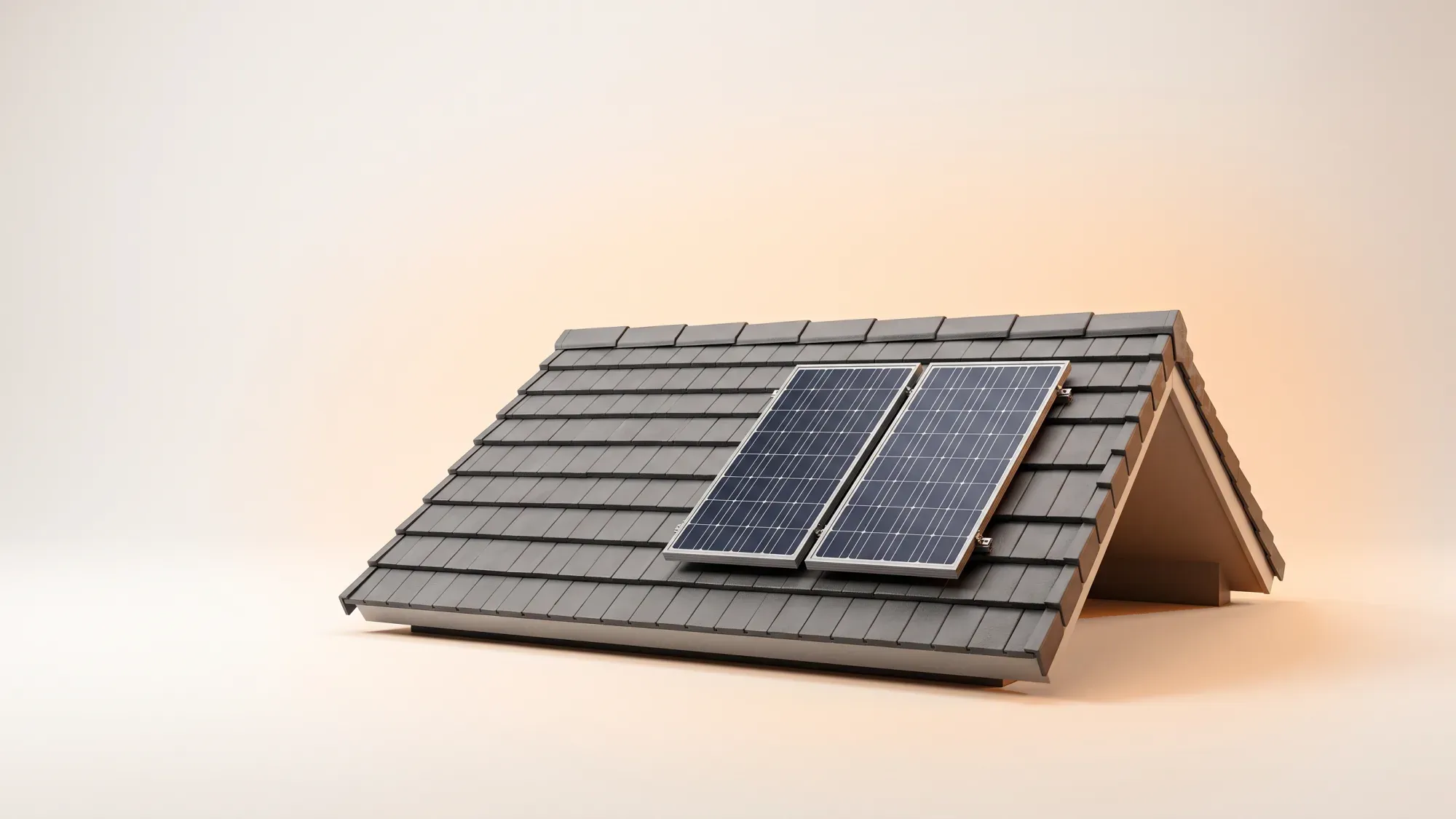
Installing solar panels yourself is legally permissible in the UK, but it comes with significant regulatory hurdles, safety risks, and potential long-term financial drawbacks. While the appeal of saving money and gaining control over your energy is strong, understanding the complexities involved is crucial for a successful and compliant project.
Is DIY solar panel installation legal in the UK?
Yes, physically installing solar panels yourself is legal in the UK. However, all installations must comply with extensive legal and safety standards, including electrical safety rules, grid connection regulations, and Building Regulations. Failing to meet these can lead to enforcement action, safety hazards, and financial penalties.
Is DIY solar panel installation feasible?
The appeal of self-installation
The prospect of installing your own solar panels is often driven by the desire for energy independence and substantial cost savings. Taking on the project yourself can reduce upfront labour costs, giving homeowners a sense of empowerment and direct involvement in their home's energy infrastructure. This aligns with a broader movement towards self-sufficiency and a more distributed energy system.
Assessing your skills and resources
While the appeal of DIY solar is strong, the reality involves significant complexity and physical demands. A successful installation requires a diverse skillset, including electrical knowledge, roofing experience, and a solid understanding of solar photovoltaic (PV) system design. Homeowners must honestly assess their capabilities, time commitment, and access to appropriate safety equipment and tools. Underestimating these factors can lead to costly mistakes, safety hazards, or non-compliant installations.
Benefits and drawbacks of DIY solar
The primary benefit of DIY solar is the potential for reduced initial costs by cutting out professional labour fees. However, this saving often comes with significant risks. Without professional expertise, there is a higher chance of inefficient system performance, safety hazards, and non-compliance with regulations. Crucially, a DIY system typically will not qualify for government incentives like the Smart Export Guarantee (SEG), which can significantly impact long-term financial returns.
Navigating UK regulations and approvals
Solar panel installations in the UK are subject to a complex framework of regulations designed to ensure safety, grid stability, and aesthetic considerations.
Distribution network operator (DNO) approval
All grid-connected solar installations require approval from your Distribution Network Operator (DNO). The DNO is responsible for managing the local electricity network and ensuring it can safely handle any electricity your system exports back to the grid.
For smaller systems (typically up to 3.68kW per phase), you can often install and then notify your DNO under what is known as G98. Larger systems or those including battery storage usually require prior approval under G99, which involves a more formal application process that can take several weeks. Without DNO approval, you risk fines, grid instability, and issues with future property sales.
Building regulations compliance
Building Regulations apply to solar panel installations, covering structural integrity, fire safety, and electrical safety. Your roof must be able to support the additional weight of the panels, and all electrical work must comply with Part P of the Building Regulations, which covers electrical safety in dwellings. This is considered "notifiable work" and must either be carried out by a registered competent person or approved by your local authority building control.
MCS certification and the Smart Export Guarantee (SEG)
While not legally required for installation, Microgeneration Certification Scheme (MCS) certification is essential for accessing government incentives like the SEG. The SEG pays you for any excess renewable electricity your system exports back to the grid. Without MCS certification, a DIY system will not be eligible for these payments, significantly reducing its financial benefits. MCS certification also provides assurance of quality and adherence to industry standards for both the products and the installation. You will also typically need a smart meter capable of providing half-hourly export readings to qualify for SEG.
Planning permission considerations
Most domestic solar panel installations in the UK fall under "permitted development rights", meaning planning permission is not typically required. However, exceptions apply to listed buildings, properties in conservation areas, or if the panels protrude significantly from the roof. Always check with your local planning authority, especially if your property has specific restrictions.
Safety and practical challenges
Electrical safety risks
Working with electricity carries inherent dangers. Incorrect wiring can lead to electric shocks, fires, and damage to your home's electrical system. All electrical work must adhere to UK wiring regulations (BS 7671) and Part P of the Building Regulations. Professional electrical inspection and commissioning are vital to ensure safety and compliance.
Working at height and structural integrity
Installing solar panels involves working at height, which presents significant fall risks. Proper safety equipment and training are essential. Furthermore, the structural integrity of your roof must be assessed to ensure it can support the weight of the panels over their lifespan, which can be 30 years or more.
System design and component selection
Designing an efficient solar PV system requires specialist knowledge. This includes selecting the right type and number of panels, choosing an appropriate inverter, considering battery storage, and designing a mounting system that optimises energy capture while ensuring durability. Mistakes in design can lead to underperformance or premature system failure.
Long-term financial and property implications
The financial implications of DIY solar extend beyond initial installation costs.
Impact on warranties and insurance
Many manufacturers' warranties for solar panels and inverters are contingent on professional installation. A DIY installation could void these warranties, leaving you responsible for repair or replacement costs if components fail. Home insurance policies may also be affected; some insurers might refuse to cover damage caused by a non-certified DIY installation, or even void the policy entirely.
Property value and resale considerations
A non-certified DIY solar installation can negatively impact your property's resale value. Potential buyers may be deterred by the lack of MCS certification, which signals a system that does not meet recognised quality standards and is not eligible for SEG payments. Issues with Building Regulations compliance or DNO approval could also complicate the sale process.
Potential for costly mistakes
The complexity of solar installation means that errors are possible. These could range from minor inefficiencies in energy generation to significant safety hazards or structural damage. Rectifying such mistakes can be expensive, potentially outweighing any initial savings from DIY labour.
The DIY solar process: step-by-step
For those determined to pursue DIY, a structured approach is critical:
Initial research and self-assessment
Begin by thoroughly researching UK regulations, including DNO requirements and Building Regulations. Honestly assess your technical skills, safety knowledge, and access to necessary tools and equipment.
System design and component sourcing
Design your solar PV system, considering panel type, inverter, battery storage, and mounting. Source high-quality components that meet UK standards.
Obtaining necessary permissions
Crucially, obtain all necessary approvals from your DNO before connecting to the grid, especially for larger systems. Also, ensure you comply with local authority Building Regulations.
Installation and commissioning
Install the system according to safety standards and manufacturer guidelines. Due to the electrical nature of the work, it is highly advisable to arrange for a qualified electrician to perform the electrical connections and commissioning.
Professional installation: the compliant alternative
For most UK homeowners, professional solar panel installation offers a more secure and beneficial path.
Ensuring safety and compliance
Professional installers are trained to adhere to all UK electrical safety standards (like Part P of Building Regulations) and grid connection requirements (DNO approval). This ensures your system is safe, legally compliant, and correctly integrated with your home and the National Grid.
Maximising efficiency and incentives
Certified installers can design a system optimised for your home's specific needs, ensuring maximum energy generation. Critically, they provide the MCS certification required for you to access SEG payments, allowing you to earn money for the clean energy you export. The average UK home uses around 2,500 kWh of electricity per year, so maximising your system's efficiency and export potential is key to long-term savings.
Comprehensive warranties and support
Professional installations typically come with comprehensive warranties covering both the equipment and the workmanship. This provides peace of mind and protection for your investment. Furthermore, professional installers offer ongoing support and maintenance, ensuring your system continues to perform optimally for years to come.
For the avoidance of doubt, this article is provided for informational purposes only and is not intended to constitute legal or financial advice. The author and/or Fuse Energy shall not be responsible for any losses arising out of any reliance on the information contained herein.