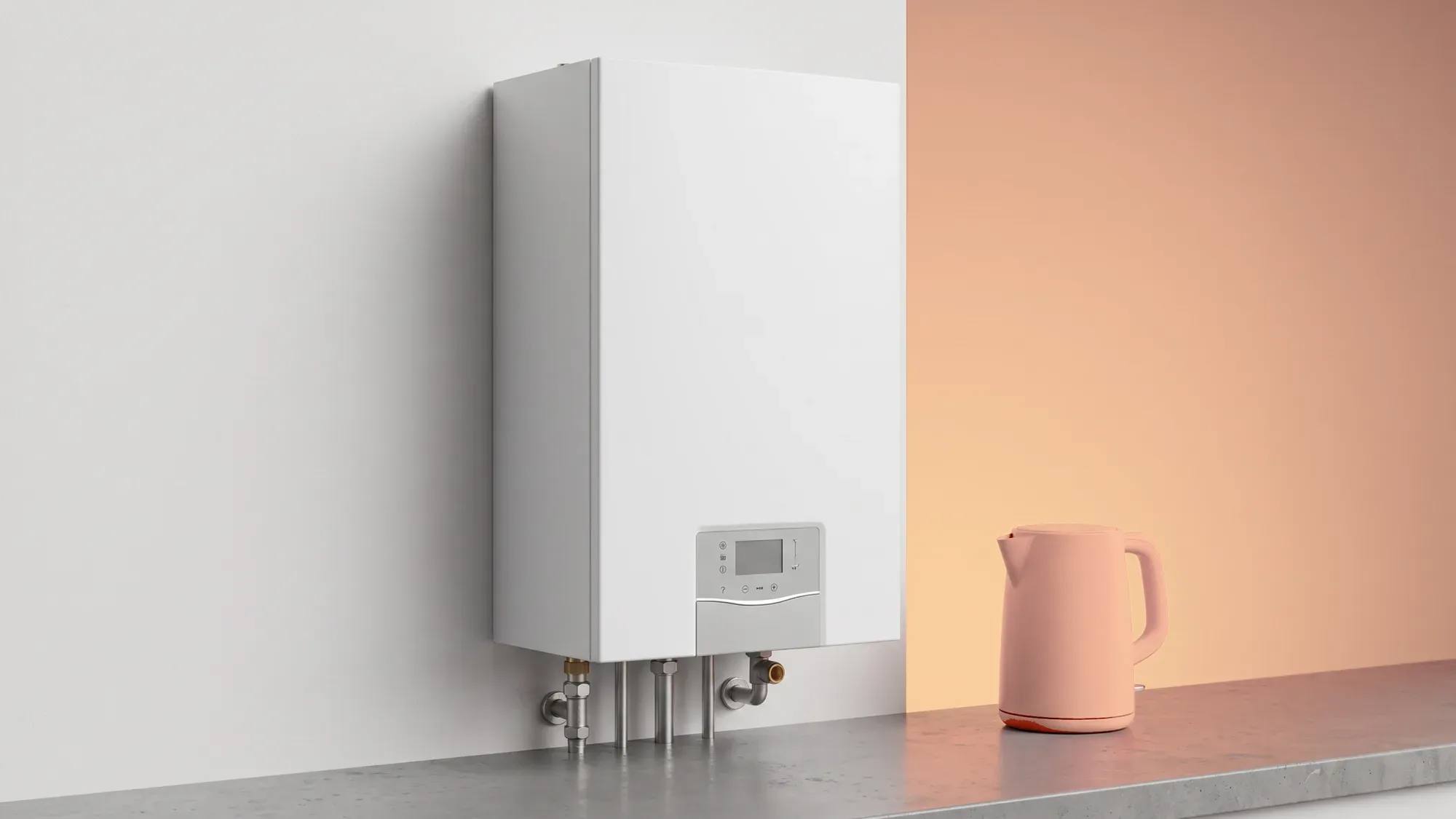
A boiler warranty protects your heating system from manufacturing defects, offering peace of mind. This guide explains what a boiler warranty covers, how to keep it valid, and how it differs from other types of boiler protection. Understanding these details is crucial to avoid unexpected repair costs and maintain a reliable heating system.
Understanding your boiler warranty
What is a boiler warranty?
A boiler warranty is a written commitment from the manufacturer to repair or replace your boiler if a fault develops due to a manufacturing defect within a specified timeframe. It acts as a safety net, covering parts and labour costs for internal boiler components that fail because of how they were made.
What does a boiler warranty cover?
Boiler warranties typically cover mechanical or manufacturing faults within the appliance itself, including the cost of parts and labour for repairs or replacement. For example, if a component inside the boiler breaks due to a defect in its manufacture, the manufacturer should repair or replace it free of charge.
However, warranties generally do not cover issues caused by external factors such as misuse, freezing, or system contamination like limescale or sludge. They also will not cover faults in other parts of your heating system, such as radiators, pipework, or thermostats.
How long do boiler warranties last?
The duration of a boiler warranty varies significantly by manufacturer and model, typically ranging from 2 to 12 years. Many manufacturers offer extended warranties, especially when the boiler is installed by an accredited or approved installer. Warranty terms and conditions, including any requirements for specific components, are set by the manufacturer and should be checked carefully.
Maintaining your boiler warranty's validity
Annual servicing requirements
Most boiler manufacturers require annual servicing by a Gas Safe registered engineer to maintain warranty validity. Missing even one annual service can invalidate the entire warranty, leaving you responsible for repair costs. This regular maintenance ensures the boiler operates safely and efficiently, helping to detect potential issues early.
Is an annual boiler service legally required for homeowners?
No, an annual boiler service is not legally mandated for homeowners in the UK. However, most boiler manufacturers require it to keep a warranty valid, and failure to do so can void the warranty. It is legally required for landlords under the Gas Safety (Installation and Use) Regulations 1998.
The role of a gas Safe registered engineer
All gas boiler installations and servicing in the UK must be carried out by a Gas Safe registered engineer. Using an unregistered individual for any gas work is illegal and will void your warranty from the outset. Gas Safe registered engineers are legally qualified and regularly assessed to work safely with gas appliances. The Gas Safe Register is the official list of businesses legally permitted to carry out gas work.
Keeping records of maintenance
It is essential to keep detailed records of all servicing and repairs, including the Benchmark logbook, as manufacturers will require proof when you make a claim. This documentation proves that your boiler has been maintained according to the manufacturer's guidelines.
Common actions that void a boiler warranty
Unauthorised repairs or parts
Using non-approved parts or unqualified engineers for repairs or servicing can invalidate your boiler warranty. Manufacturers specify that any work on the boiler must adhere to their guidelines and be performed by qualified professionals.
Failure to register your warranty
You must register your boiler warranty with the manufacturer within a specified timeframe, usually 30 days of installation. Failure to do so can reduce the warranty period or void it entirely, often reducing it to just 12 months or two years.
System contamination and neglect
Boiler warranties typically do not cover damage resulting from poor maintenance, accidental damage, or issues caused by contaminated water, such as limescale or sludge in the heating system. Neglecting your heating system can lead to problems that fall outside the scope of the warranty.
Boiler warranty vs boiler insurance and breakdown cover
Key differences in coverage
A boiler warranty is distinct from boiler insurance or breakdown cover. A warranty is a manufacturer's promise to cover manufacturing defects. Boiler cover (or boiler insurance) is a separate policy, usually from a third-party provider, that helps pay for repairs if your boiler breaks down, often covering a wider range of issues beyond manufacturing faults.
Boiler cover can include call-out fees, labour, and replacement parts for various breakdowns. Some policies also include an annual service. Unlike a warranty, boiler cover can extend to your entire central heating system, plumbing, drains, and electrics.
Deciding which protection is right for you
If you have a new boiler, its manufacturer's warranty will likely cover any faults due to manufacturing defects. However, once your boiler warranty expires, or if you want broader protection that includes issues beyond manufacturing faults, boiler cover can be a prudent choice. Some home insurance policies also offer home emergency add-ons that may include boiler breakdown cover. It is worth checking if you are already covered before taking out a separate policy.
Making a boiler warranty claim
Steps to follow for a claim
If you believe your boiler has a manufacturing defect covered by its warranty, the first step is typically to contact the manufacturer or your installer. You will need your boiler's serial number and proof of purchase and servicing history. The manufacturer will then usually arrange for their own engineer to assess and fix the problem.
What to expect during the process
During a warranty claim, the manufacturer's engineer will diagnose the fault. If it is determined to be a manufacturing defect covered by the warranty, the repair or replacement will be carried out at no cost to you. If the issue is not covered, you may be charged for the service call.
Fuse Energy installs only the Vaillant ecoTEC Plus boiler. Our 24/7 human customer support can assist with initial warranty-related queries, guiding you on how to proceed with claims. Fuse Energy does not offer servicing for other boiler brands or general boiler insurance, focusing solely on the Vaillant ecoTEC Plus.
For the avoidance of doubt, this article is provided for informational purposes only and is not intended to constitute legal or financial advice. The author and/or Fuse Energy shall not be responsible for any losses arising out of any reliance on the information contained herein.