Boiler safety for your home
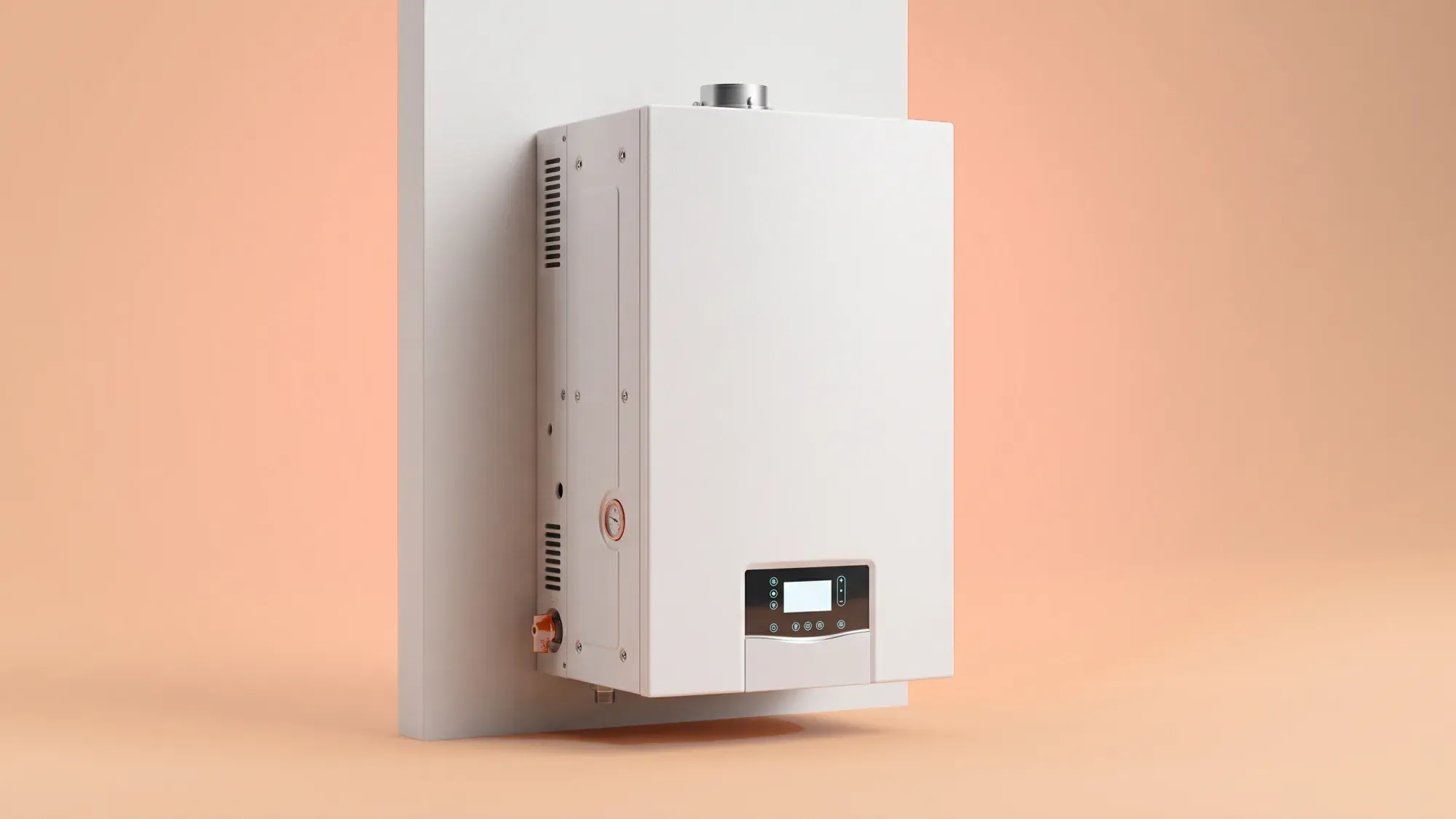
Boilers are essential for heating and hot water in UK homes, but they can pose significant risks if not properly maintained. Understanding these dangers is the first step towards ensuring a secure home environment.
Understanding boiler safety
A well-maintained boiler operates efficiently, providing consistent warmth and hot water. Crucially, regular checks and servicing prevent serious hazards such as gas leaks and carbon monoxide poisoning.
The risks of neglecting boiler maintenance
Ignoring boiler maintenance can lead to a range of problems, from inconvenient breakdowns to life-threatening situations. A faulty boiler can release carbon monoxide, a highly toxic gas that is colourless, odourless, and tasteless, making it extremely dangerous. Poorly maintained gas appliances can also lead to gas leaks, fires, or explosions. Furthermore, many boiler manufacturers require annual servicing to keep warranties valid, meaning skipped maintenance could leave you liable for repair costs that would otherwise be covered.
The importance of gas safe registered engineers
All gas work in the UK, including boiler servicing and repairs, must be carried out by an engineer registered with the Gas Safe Register. The Gas Safe Register is the official body for gas safety in the UK, maintaining a list of qualified and legally registered engineers. These engineers have undergone extensive training and assessment to safely install, maintain, and repair gas appliances. Using an unregistered individual for gas work is illegal and can lead to dangerous workmanship, invalid insurance, and legal penalties. You can easily check an engineer's registration and qualifications on the Gas Safe Register website or by calling their helpline.
Common boiler hazards and warning signs
Recognising the signs of a problem early can prevent minor issues from escalating into dangerous situations.
Carbon monoxide: the silent killer
Carbon monoxide (CO) is a highly poisonous gas produced by incomplete combustion in faulty fuel-burning appliances, including boilers. It is known as the "silent killer" because it is colourless, odourless, and tasteless, making it impossible to detect without an alarm. Tragically, carbon monoxide poisoning still causes fatalities each year, with many more requiring hospital treatment. Symptoms of CO poisoning can mimic common illnesses like headaches, dizziness, nausea, fatigue, and confusion.
Gas leaks: how to detect them
Natural gas is odourless, but a chemical called mercaptan is added to give it a distinctive "rotten egg" or sulphur smell, making leaks detectable. If you smell gas, it is crucial to act immediately. Other indicators of a gas leak include a hissing or whistling sound near gas lines, visual cues like a white cloud or dust blowing from an area, or bubbles in standing water outside your property. Physical symptoms such as headaches, dizziness, or breathing difficulties can also occur.
Water leaks and boiler pressure issues
A boiler leaking water, even a small drip, can indicate serious internal issues. If left unaddressed, water leaks can lead to water damage, mould growth, electrical faults, and reduced heating efficiency. High boiler pressure can cause leaks as the system attempts to release excess pressure through a relief valve. Corrosion or wear and tear on internal components are also common causes of water leaks.
Unusual noises and smells
Strange noises coming from your boiler, such as banging, whistling (kettling), gurgling, or humming, often signal a fault. These can be caused by limescale build-up, trapped air, or loose components. Persistent gas-like smells, as mentioned, indicate a potential gas leak. Any unusual smell or noise from your boiler should be investigated by a Gas Safe registered engineer.
Essential safety measures and maintenance
Proactive steps can significantly reduce the risks associated with boiler operation.
Installing and testing carbon monoxide alarms
Carbon monoxide alarms should be installed in rooms with fuel-burning appliances (excluding gas cookers) and regularly tested. In the UK, regulations require CO alarms in any room used as living accommodation that contains a fixed combustion appliance. Alarms should be positioned at head height, between one and three metres horizontally from the appliance. Regularly testing these alarms ensures they are working correctly and can alert you to danger.
The benefits of annual boiler servicing
An annual boiler service by a Gas Safe registered engineer is crucial for maintaining efficiency and preventing dangerous faults. Regular servicing helps to catch minor issues before they become costly repairs or lead to breakdowns. It also ensures your boiler runs efficiently, potentially lowering energy bills, and keeps manufacturer warranties valid. For more ways to reduce your energy consumption, explore our energy efficiency tips.
How often should a boiler be serviced?
Boilers should be serviced once a year by a Gas Safe registered engineer. This annual check helps to identify potential issues early, maintains efficiency, and ensures the appliance operates safely, reducing the risk of carbon monoxide leaks or breakdowns. Regular servicing is often a requirement to keep manufacturer warranties valid.
Basic visual checks for homeowners
While professional servicing is essential, homeowners can perform basic visual checks:
- Check the pressure gauge: Ensure the boiler pressure is within the recommended range (usually between 1 and 1.5 bar when cold).
- Look for leaks: Regularly inspect the boiler and surrounding pipework for any signs of water leaks or damp patches.
- Observe the flame: For boilers with a visible flame, it should be crisp blue. A lazy yellow or orange flame can indicate incomplete combustion.
- Listen for unusual noises: Pay attention to any new or strange sounds coming from the boiler.
- Check ventilation: Ensure that air vents and flues are not blocked.
Legal responsibilities for boiler safety
Understanding legal obligations is key to ensuring a safe home environment for all.
Homeowner obligations
While homeowners are not legally mandated to have annual boiler services, it is strongly recommended for safety and efficiency. Neglecting servicing can invalidate warranties and lead to dangerous situations. Homeowners are responsible for ensuring any gas work is carried out by a Gas Safe registered engineer.
Landlord and tenant responsibilities
Landlords in the UK have a legal obligation to ensure gas appliances and flues in rented properties are checked annually by a Gas Safe registered engineer. They must provide tenants with a copy of the gas safety certificate within 28 days of the check or before a new tenancy begins, and keep records for two years. Tenants should ensure their landlord provides this certificate and report any gas safety concerns immediately.
What to do in an emergency
Knowing the correct emergency procedures can save lives.
Action plan for a suspected gas leak
If you suspect a gas leak (e.g., you smell rotten eggs):
- Open windows and doors immediately to ventilate the property.
- Turn off the gas supply at the mains tap if it is safe to do so.
- Extinguish all naked flames and do not smoke.
- Do not operate electrical switches (including turning lights on or off) as this can ignite escaping gas.
- Evacuate everyone from the property, including pets, and move to a safe distance.
- Once safe, call the National Gas Emergency Service on 0800 111 999. This free helpline operates 24/7.
Responding to a carbon monoxide alarm
If your carbon monoxide alarm sounds:
- Open all windows and doors to ventilate the area.
- Turn off all fuel-burning appliances, including your boiler.
- Evacuate everyone from the property and get fresh air.
- Call the National Gas Emergency Service on 0800 111 999 to report the incident.
- Seek medical attention immediately if anyone is feeling unwell, informing them of potential CO exposure, and call 999 if it's a medical emergency.
When to call for professional help
Always call a Gas Safe registered engineer for any suspected gas leaks, carbon monoxide issues, or significant boiler faults. Do not attempt DIY repairs beyond basic visual checks. If there's a medical emergency due to suspected gas or carbon monoxide poisoning, call 999 immediately.
Ensuring long-term boiler safety
Maintaining long-term boiler safety requires diligence and informed choices.
Choosing a reliable service provider
Always choose a Gas Safe registered engineer for any boiler installation, servicing, or repair work. You can find and check registered engineers on the Gas Safe Register website. Verify their ID card, which shows their photo, registration number, and the types of gas work they are qualified to carry out.
Keeping up with maintenance records
Maintain a detailed record of all boiler servicing, repairs, and safety checks. This logbook should include the date of each service, the engineer's name and Gas Safe registration number, work carried out, parts replaced, and the next recommended service date. This documentation is vital for warranty claims, insurance purposes, and can add value when selling your property. Many engineers provide digital certificates for easy record-keeping. For more advice on managing your home's energy, read our guide on how to save energy at home.
Disclaimer
For the avoidance of doubt, this article is provided for informational purposes only and is not intended to constitute legal or financial advice. The author and/or Fuse Energy shall not be responsible for any losses arising out of any reliance on the information contained herein.