Boiler overpressure valve: its crucial role
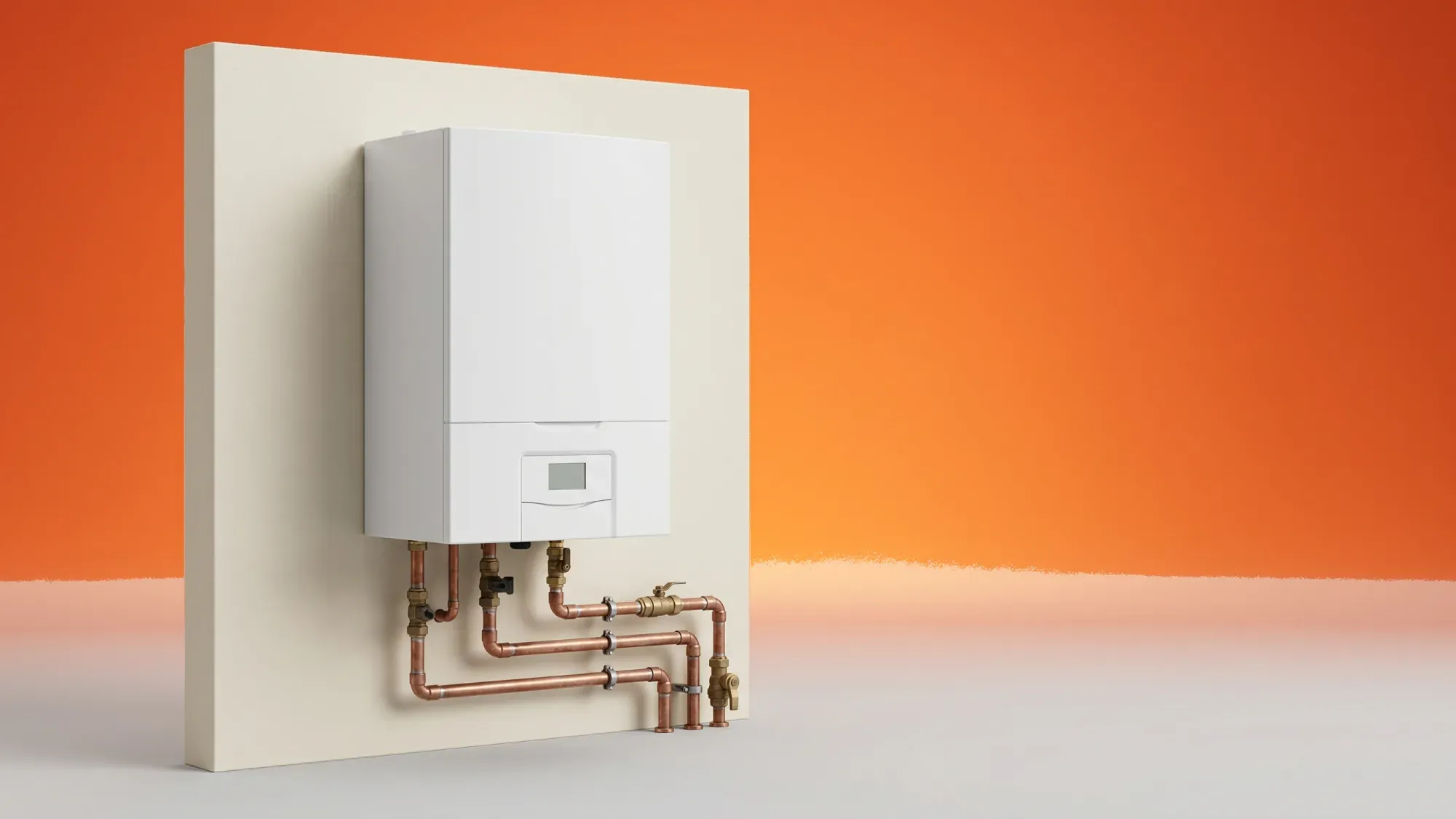
A boiler overpressure valve, often called a pressure relief valve (PRV), is a vital safety component in your home's central heating system. It protects your boiler and pipework from damage by automatically releasing excess pressure, ensuring your heating operates safely and efficiently.
What is a boiler overpressure valve?
Your boiler and central heating system operate under specific pressure levels. A boiler overpressure valve, or pressure relief valve (PRV), is a mechanical device designed to maintain these safe limits.
Understanding boiler pressure
Central heating systems are sealed, meaning the water inside them is under pressure. As water heats up, it expands, increasing the pressure within the system. Boilers are designed to operate within a narrow pressure range, typically between 1 and 1.5 bar when cold. If this pressure rises too high, it can put immense strain on the boiler's components and pipework.
The purpose of the pressure relief valve (PRV)
The PRV acts as a fail-safe. It is specifically designed to open and discharge hot water and steam if the system pressure exceeds a predetermined safe level. This prevents potential damage to the boiler, such as cracks in the heat exchanger or burst pipes, and safeguards your property from more serious incidents.
How a PRV works
A PRV is a spring-loaded valve that remains closed under normal operating pressure. When the pressure in your boiler system climbs above a safe threshold, typically 3 bar (43.5 psi), the force of the pressure overcomes the spring, causing the valve to open automatically. This releases the excess water and steam through a discharge pipe, usually directed outside your home, until the pressure returns to a safe level. Once the pressure drops, the spring reseats the valve, stopping the discharge.
Why your boiler PRV is essential for safety
The PRV is not just a component; it is a critical safety feature that protects your heating system, your home, and its occupants.
Preventing system damage
Without a functioning PRV, excessive pressure could lead to severe damage within your boiler, including internal component failure or leaks. This can result in costly repairs and significant disruption to your heating and hot water supply. The valve ensures that the system can handle the expansion of water as it heats, preventing components from being stressed beyond their limits.
Protecting your home and family
Beyond protecting the boiler itself, a PRV prevents dangerous pressure build-up that could, in extreme cases, lead to a rupture or explosion. This makes it a fundamental part of your home's safety infrastructure, safeguarding against potential hazards from an over-pressurised system.
Understanding the 3 bar pressure limit
The 3 bar (43.5 psi) setting on a boiler PRV is a crucial safety threshold. This pressure level is carefully chosen to be above the normal operating pressure of a domestic central heating system (usually 1-1.5 bar when cold) but below the point where the boiler and its components would be at risk of damage or failure. When the system pressure reaches 3 bar, the PRV activates, releasing pressure to prevent it from climbing to dangerous levels.
Common issues with boiler pressure relief valves
While PRVs are robust, they can develop issues that indicate underlying problems with your heating system.
Why your PRV might be dripping
A continuously dripping or discharging PRV is rarely the primary problem itself; it is usually a symptom of an underlying issue with your boiler's pressure management. Common causes include:
- Over-pressurisation: The system pressure is too high, often due to overfilling or a faulty filling loop.
- Failed expansion vessel: The expansion vessel, designed to absorb the expanding water, may have lost its air charge or have a ruptured diaphragm.
- Faulty PRV: Over time, debris, limescale, or wear and tear can prevent the valve from sealing properly after it has activated, leading to a continuous drip even if the system pressure is normal.
What does a continuously dripping PRV indicate?
A continuously dripping or discharging pressure relief valve typically signals an underlying issue within your central heating system, rather than just a minor leak from the valve itself. This often points to problems like excessive system pressure, a failing expansion vessel, or a faulty filling loop, all of which require professional attention.
Continuous discharge: what it means
If your PRV is continuously discharging, it means the system pressure is consistently too high, and the valve is doing its job to release it. While this protects your boiler, it also wastes water and indicates a persistent fault that needs immediate investigation by a qualified engineer. Ignoring it can lead to repeated stress on your system and potentially more serious issues over time.
The role of the expansion vessel
The expansion vessel is a critical component that works in conjunction with the PRV. It contains a diaphragm that separates a pocket of air from the system water. As the water heats and expands, it pushes against this diaphragm, compressing the air and absorbing the increased volume without a significant rise in pressure. If the expansion vessel fails or loses its air charge, it can no longer absorb this expansion, causing the system pressure to rise rapidly and trigger the PRV.
Boiler pressure relief valve discharge pipe Regulations
The discharge pipe from a boiler's pressure relief valve must be routed safely to the outside of the property, typically terminating downwards and visibly. This is to ensure that any hot water or steam released is safely directed away from the building and that any discharge is visible to the homeowner, alerting them to a potential fault. Installation and maintenance of these discharge pipes must comply with Building Regulations Part G (Sanitation, hot water safety and water efficiency). The pipework must be able to withstand high temperatures and pressures.
Troubleshooting and when to call an engineer
Understanding what you can safely check and when to seek professional help is key to maintaining your boiler's safety.
Initial checks for homeowners
If you notice your PRV dripping, you can perform a few initial, safe checks:
- Check the boiler's pressure gauge: Ensure the system pressure is within the normal operating range (usually 1-1.5 bar when cold). If it is above 2.5 bar, the system is over-pressurised.
- Observe the discharge: Note whether the drip is continuous or intermittent.
- Inspect the discharge pipe: Ensure it is clear and not blocked.
Do not attempt to block or cap the discharge pipe, as this is extremely dangerous.
When to contact a gas safe registered engineer
If your PRV is continuously dripping, discharging, or if you suspect any issue with your boiler's pressure, it is crucial to contact a Gas Safe registered engineer promptly. They have the expertise to diagnose the root cause, whether it is a failing expansion vessel, a faulty filling loop, or the PRV itself. Any work on gas boilers, including the replacement of safety components, must be carried out by a Gas Safe registered engineer in the UK. You can find a Gas Safe registered engineer by visiting the Gas Safe Register website.
Boiler pressure relief valve replacement cost UK
The cost for a boiler pressure relief valve replacement can vary significantly depending on the boiler model, accessibility, and whether additional work (like replacing an expansion vessel) is required. While the valve itself can be relatively inexpensive, the labour and diagnostic work by a qualified engineer contribute to the overall cost.
Maintaining your boiler's safety components
Regular maintenance is vital for the safe and efficient operation of your boiler.
Importance of annual boiler servicing
An annual boiler service by a Gas Safe registered engineer is essential. During this service, the engineer will check the PRV and other safety components to ensure they are functioning correctly. This proactive approach can identify potential issues before they become serious problems, extending the life of your boiler and maintaining its safety.
Considering a new boiler for peace of mind
For homeowners facing persistent boiler issues, Fuse Energy offers reliable Vaillant Ecotec Plus boiler installations as a trusted solution for a new, efficient heating system. If your boiler is old, inefficient, or experiencing recurring faults, investing in a new boiler can offer long-term peace of mind, improved energy efficiency, and enhanced safety. Fuse Energy does not offer standalone boiler repair services for existing boilers, but we are here to help those needing a replacement with reliable installations.
Disclaimer
For the avoidance of doubt, this article is provided for informational purposes only and is not intended to constitute legal or financial advice. The author and/or Fuse Energy shall not be responsible for any losses arising out of any reliance on the information contained herein.