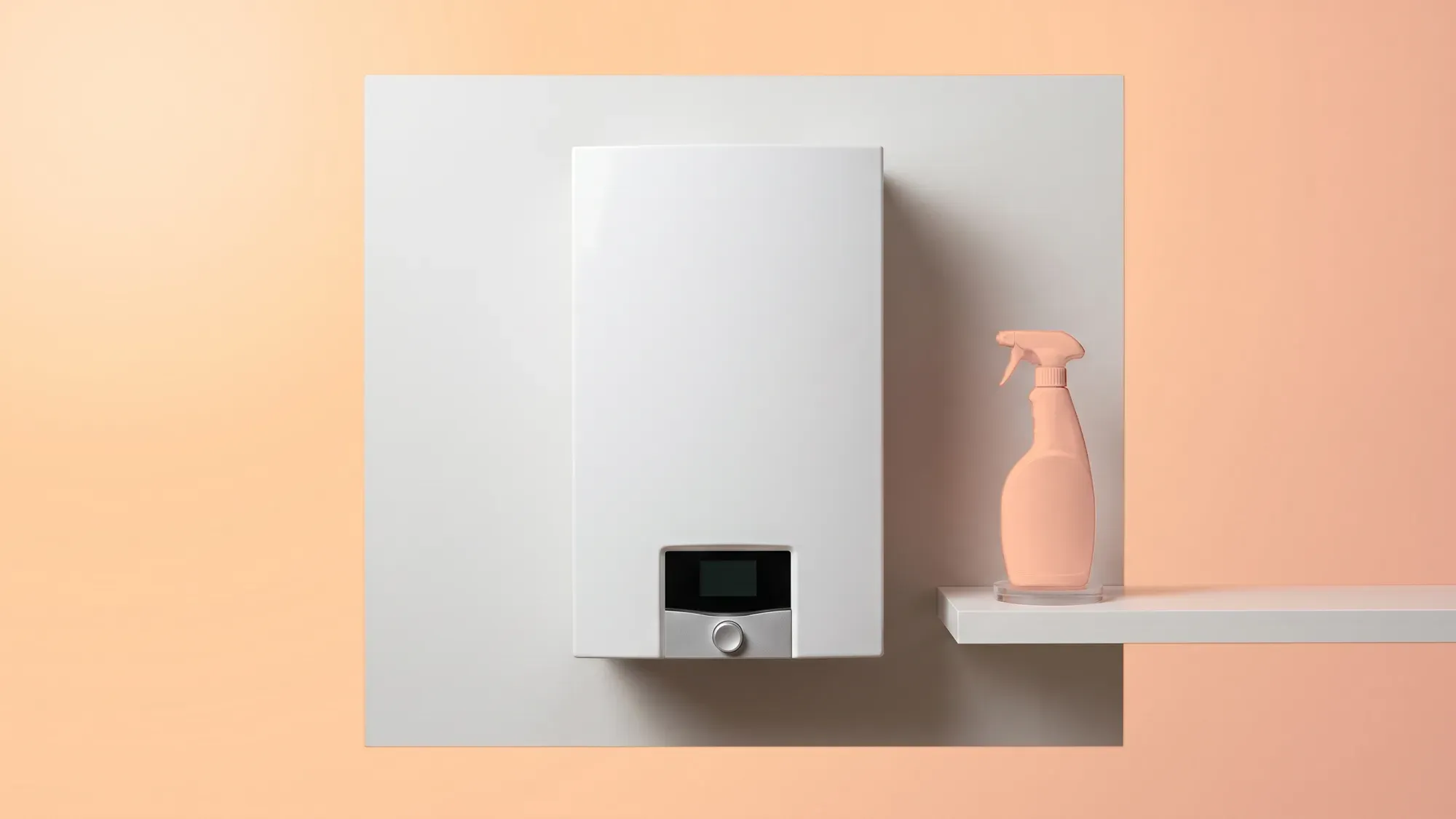
A boiler breakdown is a common and urgent problem for households, impacting both heating and hot water. Many issues can be resolved with simple DIY troubleshooting before professional help is needed. This guide empowers you with immediate steps and highlights when to seek expert assistance.
Common reasons your boiler stops working
Boilers can stop working for various reasons, from simple fixes to more complex issues requiring a Gas Safe registered engineer. Understanding the common culprits can help you diagnose the problem quickly.
No power or thermostat issues
Sometimes, the issue isn't with the boiler itself but with its power supply or controls. A tripped Fuse, a power cut, or incorrect thermostat settings can prevent your boiler from firing up. If your thermostat display is blank, it might simply need new batteries.
Low boiler pressure
Low boiler pressure is a frequent problem that homeowners can often fix themselves. Your boiler's pressure gauge should ideally read between 1 and 1.5 bar when the system is cold, and between 1.5 and 2.0 bar when the heating is on, for optimal operation. If it drops below 1 bar, your boiler may not function correctly.
Frozen condensate pipe
In cold weather, a frozen condensate pipe is a common cause of boiler breakdowns. This plastic pipe carries acidic wastewater away from your condensing boiler. If water in the pipe freezes, it blocks the drain, causing the boiler to shut down as a safety measure. Signs include gurgling noises, a fault code on the display, or the boiler not firing up.
Other common issues
Other frequent problems include leaks, a pilot light that keeps going out, or the boiler making unusual noises like banging or whistling. Radiators not heating evenly or a boiler not responding to the thermostat can also indicate an issue.
Step-by-step boiler troubleshooting
Before calling an engineer, run through these basic checks. They can often resolve the problem quickly and save you the cost of a call-out.
Check your power supply and thermostat
First, ensure your boiler is receiving power. Check the fuse box for any tripped fuses and confirm the boiler's power switch is on. Next, inspect your thermostat. Make sure it's set to the correct temperature and program, and replace batteries if the display is blank.
Reset boiler pressure
If your boiler pressure is low (below 1 bar), you can often repressurise it yourself using the filling loop. Consult your boiler's manual for specific instructions on how to do this safely. The ideal pressure is typically around 1.5 bar.
Thaw a frozen condensate pipe
If you suspect a frozen condensate pipe, you can attempt to thaw it. Locate the plastic pipe, usually outside, and pour warm (not boiling) water over the frozen section. A hot water bottle or warm compress can also help.
Check for fault codes and consult your manual
Many modern boilers display fault codes when an issue arises. Make a note of any codes and refer to your boiler's instruction manual. The manual will often provide an explanation of the code and suggest troubleshooting steps.
When to call a professional engineer
While some issues are simple DIY fixes, others require the expertise of a Gas Safe registered engineer. Attempting complex repairs yourself can be dangerous and may invalidate your warranty.
Safety concerns and gas leaks
If you smell gas, suspect a gas leak, or have any other safety concerns, immediately turn off your gas supply, open windows, and call the National Gas Emergency Service on 0800 111 999. You can find more information on their website. Do not attempt to fix a gas leak yourself.
Persistent issues after troubleshooting
If you've tried the basic troubleshooting steps and your boiler still isn't working, or if the problem recurs, it's time to call a professional. Gas Safe registered engineers are legally required to work on gas appliances in the UK. They have the training and tools to diagnose and safely repair complex boiler faults.
What is a Gas Safe registered engineer?
A Gas Safe registered engineer is a qualified professional legally authorised to work on gas appliances in the UK. They meet specific safety standards and are listed on the official Gas Safe Register, which replaced CORGI in 2009. Always check their Gas Safe ID card before any work begins.
Understanding landlord responsibilities
If you are a tenant, your landlord is legally responsible for maintaining heating and hot water in your rented property. This includes ensuring the boiler is in good repair and working order, and arranging annual gas safety checks. Report any boiler issues to your landlord immediately.
Considering a new boiler installation
Sometimes, repairing an old or frequently faulty boiler isn't the most economical solution.
Signs your boiler needs replacing
The average lifespan of a boiler in the UK is typically 10 to 15 years. If your boiler is older than this, frequently breaks down, or is becoming inefficient, it might be time to consider a replacement. An old boiler can lead to higher energy bills and unreliable heating.
Fuse Energy's Vaillant ecotec Plus installations
Fuse Energy offers installation of efficient Vaillant ecoTEC Plus gas boilers. These models are known for their performance, quality, and reliability, providing effective heating and hot water for your home. Fuse Energy does not offer repair services for existing boilers, only installation of new Vaillant ecoTEC Plus models.
Staying warm: next steps for a non-functional boiler
Dealing with a boiler that isn't working can be stressful, but many common problems have straightforward solutions. By following these troubleshooting steps, you can often restore your heating and hot water quickly. For persistent issues or any safety concerns, always contact a Gas Safe registered engineer. If your boiler is old or frequently problematic, a new, efficient Vaillant ecoTEC Plus installation from Fuse Energy could be a long-term solution.
For the avoidance of doubt, this article is provided for informational purposes only and is not intended to constitute legal or financial advice. The author and/or Fuse Energy shall not be responsible for any losses arising out of any reliance on the information contained herein.