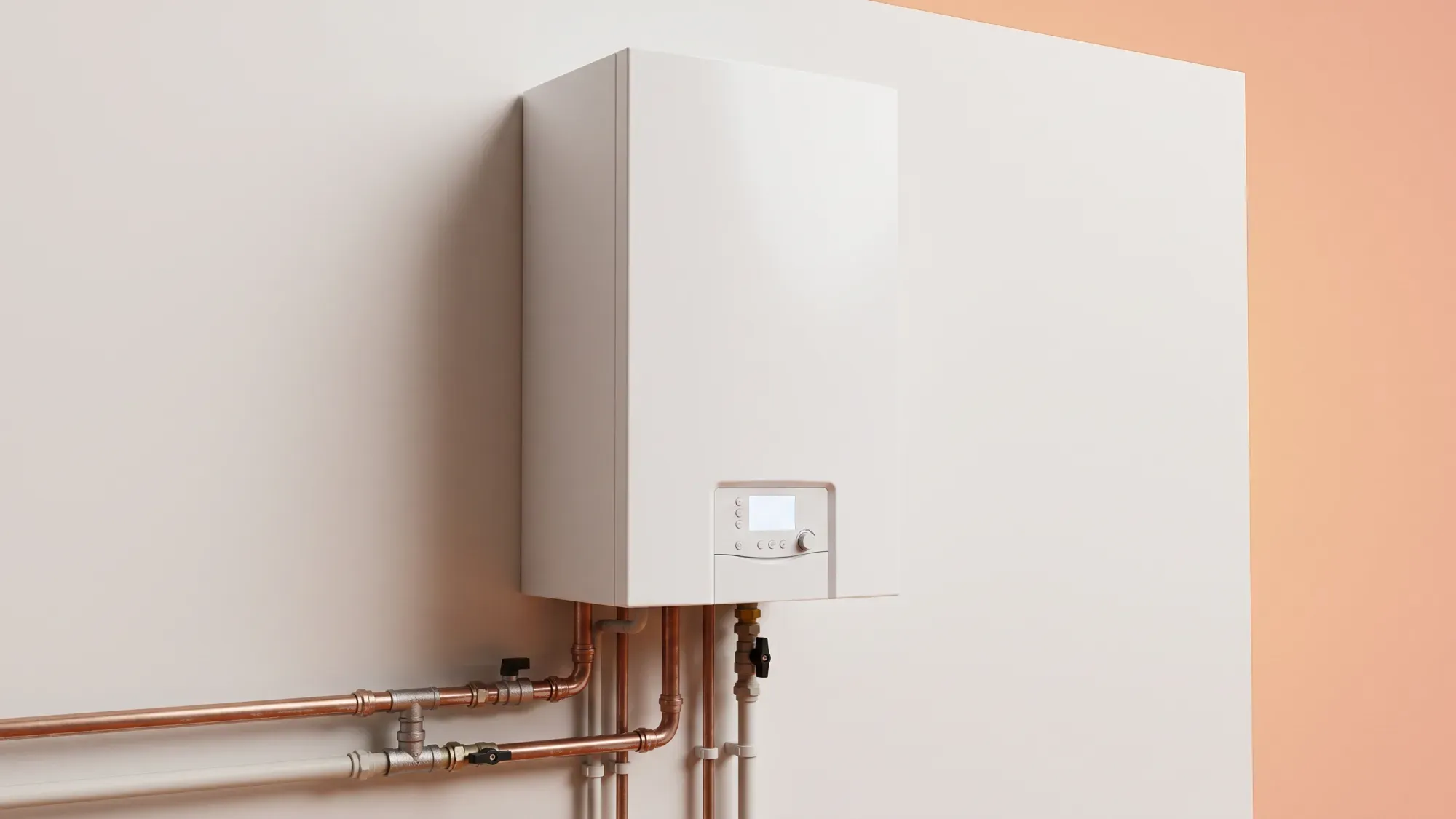
Maintaining your boiler is a strategic move that gives you control over your home's reliability, safety, and energy efficiency. Proactive care helps prevent unexpected breakdowns, reducing the anxiety and cost associated with emergency repairs. This guide outlines why regular boiler maintenance is crucial for UK homeowners.
Why regular boiler maintenance matters
Your boiler works hard year-round, providing essential heating and hot water. Just like a car needs its annual MOT, your boiler benefits significantly from regular checks to ensure it operates safely and efficiently.
Ensuring safety and preventing hazards
Safety is paramount when it comes to gas appliances. A faulty boiler can pose serious risks, including gas leaks and carbon monoxide (CO) poisoning. CO is a colourless, odourless gas that can be lethal. Around 20-50 people die each year in the UK from unintentional CO poisoning, with many more hospitalised for its effects, often due to faulty heating appliances. Regular maintenance by a qualified engineer can identify and rectify potential hazards before they become dangerous.
Boosting efficiency and saving money
An efficiently running boiler uses less energy to produce the same amount of heat, which translates directly into lower energy bills. Modern condensing boilers, for example, have the potential to reduce gas consumption for space heating by as much as 15% when carefully selected, monitored, controlled, and maintained. Regular servicing helps maintain your boiler's optimal efficiency, which can lead to lower energy bills and a reduced carbon footprint for your home.
Extending your boiler's lifespan
Boilers are a significant investment, typically lasting 10 to 15 years. Regular servicing helps to identify minor issues early, preventing them from escalating into major, costly breakdowns. By addressing wear and tear proactively, you can extend your boiler's operational life, protecting your investment and delaying the need for a full replacement.
What does a boiler service involve?
A boiler service is a thorough inspection and maintenance routine performed by a qualified engineer. It is designed to ensure your boiler is running safely and efficiently.
Key checks and procedures
While the exact procedures can vary by manufacturer and model, a typical service includes a series of visual, operational, and safety checks. The engineer will inspect the boiler and its components for signs of damage, corrosion, or leaks. They will check the boiler's controls, clean internal parts like the heat exchanger, and assess the flue and combustion to ensure safe operation.
Understanding the engineer's role
The engineer's role is to meticulously examine your boiler, identify any potential issues, and make necessary adjustments or recommendations. They will also provide advice on running your boiler efficiently and issue a service report or logbook entry to document the maintenance.
Choosing a qualified boiler engineer
The safety and efficiency of your boiler depend heavily on the expertise of the engineer performing the service. It is crucial to choose a qualified professional.
The importance of gas safe registration
In the UK, it is a legal requirement for anyone carrying out work on gas appliances to be registered with the Gas Safe Register. This body replaced CORGI as the official gas registration body in Great Britain on 1 April 2009. Always verify an engineer's Gas Safe registration before allowing them to work on your boiler. You can do this by checking their ID card or using the Gas Safe Register website.
What is the Gas Safe Register?
The Gas Safe Register is the official gas registration body for the United Kingdom, Isle of Man, Jersey, and Guernsey. All gas engineers must be registered by law to carry out gas work. It ensures engineers are competent and qualified, protecting the public from unsafe gas work.
Finding a reputable professional
When seeking an engineer, look for those with good local reputations and clear pricing. While many homeowners opt for a one-off service, some prefer boiler cover plans that spread the cost over the year and may include breakdown support. Always ensure the engineer is qualified for your specific type of boiler.
Common boiler maintenance questions
Understanding the specifics of boiler maintenance can help you plan effectively and avoid common pitfalls.
How often should you service your boiler?
For homeowners, there is no general legal requirement to service a boiler annually. However, annual servicing is strongly recommended for safety, efficiency, and to maintain manufacturer warranties. Landlords, conversely, are legally required to arrange an annual gas safety check for every gas appliance and flue in their rental properties, carried out by a Gas Safe registered engineer.
What are the typical costs?
The average cost for a standard gas boiler service in the UK typically ranges from £80 to £120, with an average of around £100. Prices can vary depending on the type of boiler, your location, and the engineer carrying out the service.
Warranty implications of skipping service
Many boiler manufacturers require annual servicing by a Gas Safe registered engineer to keep their warranties valid. Failing to meet this requirement could void your warranty, leaving you liable for the full cost of repairs if a major component fails. It is essential to keep records of all maintenance work for warranty and insurance purposes.
Proactive steps for boiler care
Taking a proactive approach to your boiler's health can give you greater control over your home's heating system and prevent unexpected issues.
Simple checks you can do
While professional servicing is essential, there are a few simple checks you can perform yourself. Regularly check your boiler's pressure and bleed your radiators to release trapped air. These small actions can contribute to your boiler's efficiency and help you spot minor issues early.
When to call an engineer
Do not wait for a complete breakdown to call an engineer. If you notice any unusual noises, smells, leaks, or a drop in performance from your boiler, it is wise to contact a Gas Safe registered professional promptly. Addressing minor issues quickly can prevent them from escalating into more significant, expensive problems.
For the avoidance of doubt, this article is provided for informational purposes only and is not intended to constitute legal or financial advice. The author and/or Fuse Energy shall not be responsible for any losses arising out of any reliance on the information contained herein.