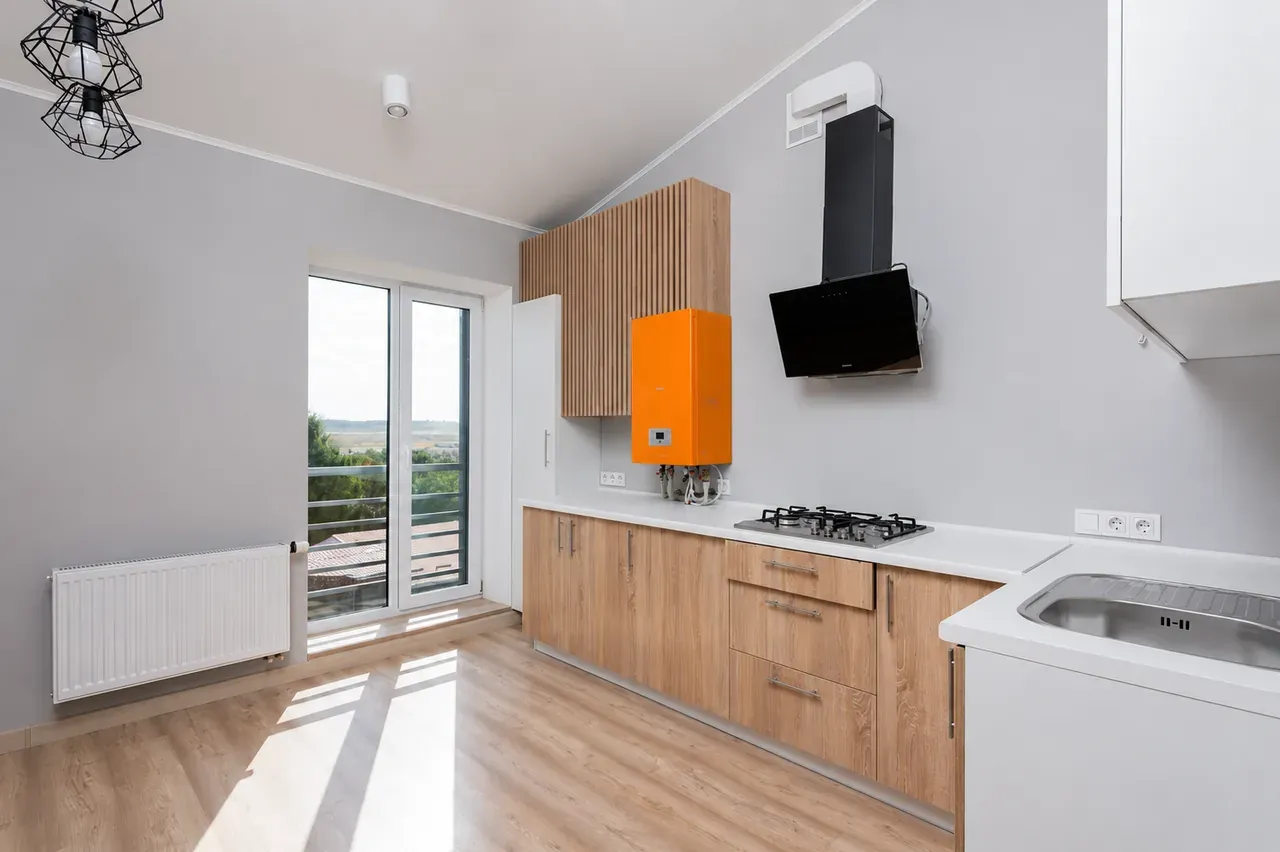
Replacing or installing a new boiler can significantly improve your home's energy efficiency and comfort. Understanding the different types, costs, and the installation process is key for homeowners.
Choosing the right boiler for your home
Choosing the right boiler starts with understanding the main types available and how they suit different property sizes and hot water demands. Modern condensing boilers are highly efficient, converting over 90% of fuel into heat, which significantly reduces energy waste and running costs. Fuse Energy exclusively installs the Vaillant ecoTEC Plus range of gas boilers.
Combi boilers: instant hot water and heating
Combi (combination) boilers are the most popular choice in the UK, providing both heating and hot water on demand from a single compact unit. They do not require separate hot water cylinders or cold water tanks, making them ideal for homes where space is limited, such as flats or smaller to medium-sized houses.
System boilers: high demand homes
System boilers work with a hot water cylinder, storing hot water for later use. Unlike conventional boilers, they do not need a cold water tank in the loft, as components like the expansion vessel are built-in. This makes them suitable for homes with multiple bathrooms or a higher demand for hot water simultaneously.
Conventional boilers: traditional systems
Also known as regular or heat-only boilers, conventional boilers are typically found in older heating systems. These boilers require both a hot water cylinder and a cold water storage tank, usually located in the loft. They are a good option for homes with existing traditional heating systems that need to retain their hot water tank, or for very large properties with high hot water demands.
Fuse Energy exclusively installs the Vaillant ecoTEC Plus range of gas boilers. This focus allows us to offer a specialised, high-quality installation service for a modern condensing boiler that achieves up to 94% efficiency. The Vaillant ecoTEC Plus is designed for reliability and energy savings, contributing to a more efficient home heating infrastructure.
The boiler installation process
A new boiler installation can take between one to three days, depending on the complexity and type of boiler being fitted. The average lifespan of a modern gas boiler is typically 10 to 15 years, though this can vary with regular maintenance and servicing.
Initial assessment and quote
The process begins with an assessment of your home's heating and hot water requirements. This helps determine the most suitable boiler type and size for your property. You should receive a clear, itemised quote that breaks down all costs involved.
Preparing for installation day
Once you have accepted a quote, the installer will schedule the installation. You may need to clear the area around your old boiler and ensure easy access for the engineers.
The installation itself
A qualified Gas Safe registered engineer will carry out the installation. This involves safely removing your old boiler, preparing the pipework and flue, installing the new boiler, and connecting it to your existing heating system.
Post-installation checks and certification
After installation, the engineer will thoroughly test the new boiler to ensure it is working correctly and safely. You will receive a Building Regulations Compliance Certificate and the boiler's warranty information. It is crucial to register your new boiler with the manufacturer to activate the warranty.
Understanding boiler installation costs
The cost of a new boiler installation varies widely depending on several factors.
Factors influencing price
Key factors include the type of boiler, its size (kW output), the complexity of the installation (e.g., converting from a conventional to a combi system), and any necessary upgrades to your existing pipework or electrical system. The brand of boiler also plays a role, with premium brands often costing more.
What is included in a quote
A comprehensive quote should cover the cost of the new boiler unit, labour for installation, removal and disposal of your old boiler, and any standard parts and materials. It should also include VAT.
Potential additional costs
Be aware of potential extra costs such as powerflushing your heating system, installing new radiators, or upgrading your gas supply pipe if it is not adequate for the new boiler's demands. Always ensure these are discussed and included in your quote if necessary.
Regulations and safety standards
All gas boiler installations in the UK must be carried out by a Gas Safe registered engineer. This is a legal requirement to ensure safety and compliance.
The gas Safe register
The Gas Safe Register is the official gas safety organisation in Great Britain. All engineers working with gas appliances must be on the register. You can check an engineer's credentials on their website, www.GasSafeRegister.co.UK.
Building regulations compliance
New boiler installations must comply with current Building Regulations, which include energy efficiency standards. For gas boilers, a minimum efficiency of 86% is required, and new installations will typically be condensing boilers unless there is a specific reason otherwise. Your installer is responsible for notifying the local authority of the installation and providing you with a Building Regulations Compliance Certificate.
Warranties and guarantees
New boilers typically come with a manufacturer's warranty, which can range from 2 to 10 years or more. This usually covers parts and labour for any faults that arise. Ensure you understand the terms and conditions of your warranty and register your boiler to activate it.
Finding a qualified boiler installer
Choosing the right installer is as important as choosing the right boiler.
Why choose a gas Safe engineer
Only Gas Safe registered engineers are legally qualified to work on gas appliances. Hiring an unregistered individual can lead to unsafe installations, potential hazards, and non-compliance with regulations.
Checking credentials
Always ask to see an engineer's Gas Safe ID card. This card confirms their registration and the types of gas work they are qualified to undertake. You can also verify their details on the Gas Safe Register website.
Fuse Energy's installation service
Fuse Energy provides support throughout the boiler installation process, with 24/7 human customer support available. Our exclusive focus on the Vaillant ecoTEC Plus range ensures a high-quality, efficient installation by qualified engineers.
For the avoidance of doubt, this article is provided for informational purposes only and is not intended to constitute legal or financial advice. The author and/or Fuse Energy shall not be responsible for any losses arising out of any reliance on the information contained herein.