Bleeding radiators for efficient home heating
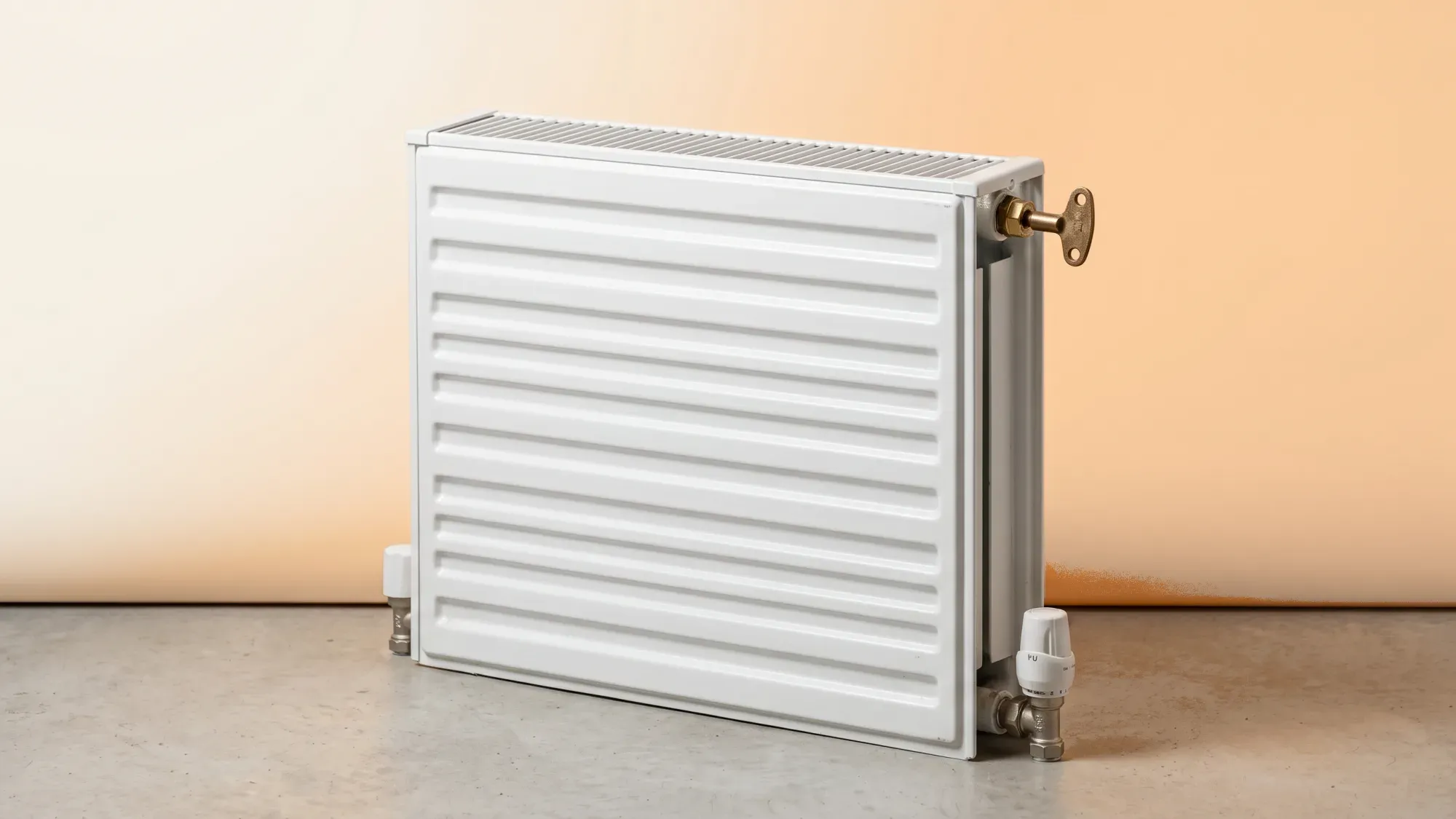
Radiators not heating evenly? Bleeding them is a simple task that restores warmth, cuts energy waste, and puts you in control of your home's comfort. This guide walks you through the process, empowering you to maintain an efficient heating system. It's a power play, turning a routine chore into an act of energy management.
Just as bleeding your radiators can improve heating efficiency, choosing the right energy supplier can significantly impact your home's overall energy costs. Discover how Fuse Energy can help you manage your energy more effectively. Click here to switch to Fuse Energy today.
Enter your address to get a quote and see how much you could save
Why your radiators need bleeding
Central heating systems rely on hot water circulating freely to warm your home. However, air can become trapped within the system, creating blockages and preventing hot water from reaching every part of your radiators.
The impact of trapped air on heating efficiency
When air gets trapped inside a radiator, it rises to the top, displacing the hot water. This means only the lower section of the radiator heats up, leaving the top cold. This trapped air can reduce a radiator's heat output, forcing your boiler to work harder and longer to achieve the desired room temperature. This inefficiency not only leads to a less comfortable home but also increases energy consumption and, consequently, your energy bills. Bleeding radiators can improve heating efficiency and potentially lower energy bills by ensuring even heat distribution.
Signs your radiator needs bleeding
You can usually tell if your radiator needs bleeding by a few clear signs:
- Cold spots: The most common indicator is a radiator that's warm at the bottom but cold at the top. Trapped air causes these cold spots, indicating inefficient heating.
- Gurgling noises: If you hear gurgling, hissing, or bubbling sounds coming from your radiators or pipes, it's likely due to air moving through the system.
- Slow to heat up: Radiators taking an unusually long time to warm up, even after the heating has been on for a while, can also suggest trapped air.
- Boiler working harder: Your boiler might be firing more frequently or running for longer periods to compensate for the reduced efficiency of your radiators.
Essential tools for bleeding a radiator
Before you start, gather the necessary tools to make the process smooth and safe. Being prepared avoids common pitfalls, such as not having the correct tools readily available.
The radiator key and other necessities
You'll need a few items to bleed your radiators effectively:
- Radiator key: Most modern central heating systems require a specific radiator key to open the bleed valve. These are inexpensive and widely available at hardware stores. Some older radiators might require a flat-head screwdriver or pliers, but a dedicated key is always best.
- Cloth or rag: Keep an old cloth or rag handy to wipe away any drips or spills.
- Container: A small bowl or mug is useful for catching any water that might escape once the air has been released.
- Gloves: Protect your hands from hot water.
Safety precautions before you start
Safety is paramount when working with your heating system.
- Turn off your central heating: Always turn off your central heating system and allow all radiators to cool completely before attempting to bleed them. This prevents hot water or steam from escaping and reduces the risk of burns.
- Protect your surroundings: Place cloths or towels on the floor beneath the radiator valve to protect carpets or flooring from water drips.
- Work slowly: The bleed valve can be delicate. Turn it slowly and gently to avoid overtightening or damaging it.
Step-by-step guide to bleeding a radiator
Bleeding a radiator is a straightforward DIY task that anyone can do. Follow these steps for a more efficient heating system.
Preparing your central heating system
- Turn off your heating: Switch off your central heating system at the thermostat or boiler.
- Allow to cool: Wait for all radiators to cool down completely. This can take an hour or two. Working with cold radiators is safer and allows trapped air to collect at the top of the radiator.
Locating and opening the bleed valve
- Locate the bleed valve: Find the small valve, usually at the top corner of the radiator, opposite the temperature control valve. It often looks like a small circular hole with a square or slotted insert in the middle.
- Insert the radiator key: Fit the radiator key into the central slot of the bleed valve.
- Slowly open the valve: Gently turn the key anti-clockwise. You should hear a hissing sound as trapped air escapes.
What does it mean if no air comes out when bleeding a radiator?
If you open the bleed valve and no air or water comes out, it usually means there is no trapped air in that radiator. It could also indicate a blockage, or that your central heating system's pressure is too low to push anything out.
- Catch any water: Keep your cloth and container ready. Once the hissing stops and a steady stream of water starts to emerge, close the valve.
Closing the valve and checking for leaks
- Close the valve: Turn the radiator key clockwise to close the valve tightly. Do not overtighten.
- Wipe away drips: Use your cloth to clean up any water that may have escaped.
- Repeat for all radiators: Move around your home and repeat this process for every radiator. Start with the radiators furthest from your boiler or on the lowest floor, working your way up and closer to the boiler.
After bleeding: boiler pressure and troubleshooting
Once you've bled all your radiators, there are a couple of crucial checks to perform to ensure your system is running optimally.
Checking and repressurising your boiler
Bleeding air from your system can cause the boiler pressure to drop. Boiler pressure often needs to be checked and potentially repressurised after bleeding radiators to maintain system functionality.
- Turn heating back on: Switch your central heating system back on.
- Check boiler pressure: Locate the pressure gauge on your boiler. The needle should typically be within the green zone or between 1 and 1.5 bar (check your boiler's manual for the exact recommended range).
- Repressurise if needed: If the pressure is too low, you'll need to repressurise your boiler. This usually involves using the filling loop (a small, often silver, hose connecting two pipes underneath your boiler) to let more water into the system until the pressure returns to the recommended level. Always consult your boiler's manual for specific instructions on how to do this safely.
What to do if problems persist
If your radiators are still cold in spots, or your boiler pressure continues to drop after repressurising, it might indicate a more significant issue.
- Check for leaks: Inspect all bleed valves and pipe connections for any signs of leaks.
- Professional help: While bleeding a radiator is a DIY task, Fuse's 24/7 human customer support is available for any energy-related queries you might have, reinforcing comprehensive support for your home energy needs.
Maintaining your heating system for optimal performance
Regular maintenance, like bleeding radiators, is a fundamental 'power play' for homeowners to take direct control of their home's energy efficiency and comfort.
How often should you bleed your radiators?
There's no strict rule, but a good guideline is to bleed your radiators at least once a year, ideally before the colder months set in. You should also bleed them whenever you notice the signs of trapped air, such as cold spots or gurgling noises. Making this a routine part of your home maintenance ensures your heating system runs efficiently all year round.
The wider benefits of regular radiator maintenance
Regular radiator maintenance keeps your home warm without wasteful energy consumption, aligning with a future of abundant energy. This proactive approach not only keeps your home comfortable but also helps to:
- Reduce energy bills: An efficient system means your boiler works less, saving you money.
- Extend boiler lifespan: A well-maintained system puts less strain on your boiler, potentially extending its operational life.
- Improve home comfort: Evenly heated radiators mean a consistently warm and comfortable home.
- Visibility in the Fuse app: Understanding how to maintain your radiators complements Fuse's app capabilities for monitoring energy usage, helping you track your home energy consumption.
Managing your home's energy doesn't have to be complicated. Fuse Energy is committed to making energy simple and transparent, offering clear pricing and 24/7 human customer support to help with your energy-related queries. Our app provides insights into your usage, empowering you to make informed decisions about your consumption. Switch to Fuse Energy today and experience a modern approach to home energy. Click here to get started.
Disclaimer
For the avoidance of doubt, this article is provided for informational purposes only and is not intended to constitute legal or financial advice. The author and/or Fuse Energy shall not be responsible for any losses arising out of any reliance on the information contained herein.