Bidirectional EV charger explained
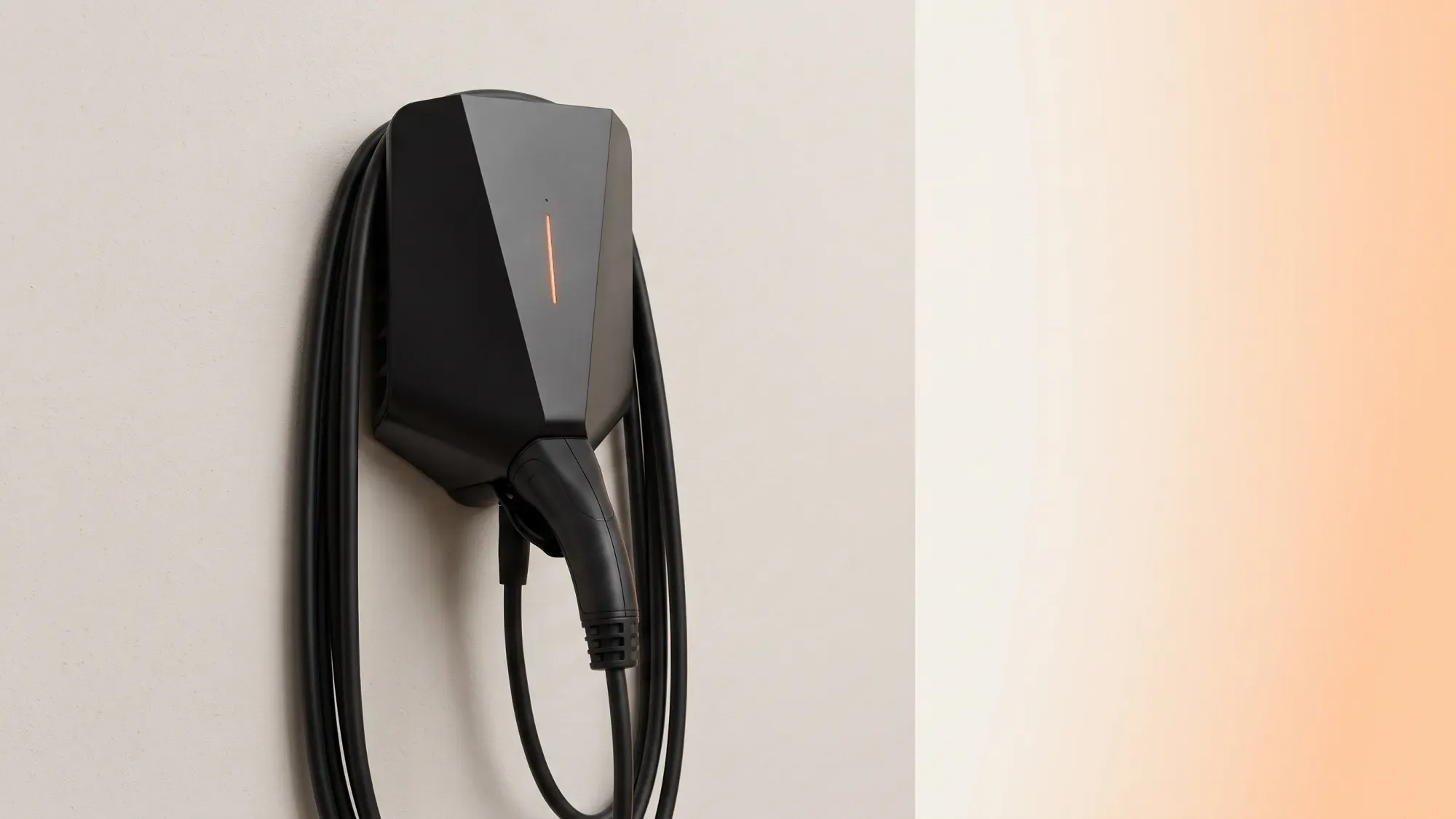
Bidirectional EV charging is transforming how UK homeowners manage their energy, turning electric vehicles (EVs) into dynamic energy assets. This technology offers a powerful way to gain control over energy usage, reduce costs, and enhance energy independence.
Bidirectional charging allows your EV to not only draw power from the grid but also to send it back, either to your home or the National Grid. This flexibility can help you save money on electricity bills by utilising cheaper, off-peak energy and even earn revenue by supporting grid stability.
What is bidirectional EV charging?
Bidirectional EV charging enables electricity to flow in two directions: into your EV to charge its battery, and out of your EV to power your home or even send energy back to the National Grid. This capability effectively turns your EV into a large, mobile battery, offering flexibility and resilience that traditional charging cannot.
Vehicle-to-Home (V2H) explained
Vehicle-to-Home (V2H) technology allows your EV to supply electricity directly to your home. This means you can use the energy stored in your car's battery to power your household appliances, reducing reliance on the grid, especially during peak times or power outages. For example, an EV with a substantial battery capacity could power an average UK home for a few days, significantly enhancing energy independence. V2H use, where power stays within your home and is not exported to the public network, generally does not require a G99 application from your Distribution Network Operator (DNO).
Vehicle-to-grid (V2G) explained
Vehicle-to-grid (V2G) technology takes bidirectional charging a step further, allowing your EV to export surplus electricity back to the National Grid. This means your car can become part of the wider energy system, helping to balance supply and demand. You can charge your EV when electricity is cheap and abundant (e.g., overnight or when renewable generation is high) and then sell that energy back to the grid during periods of high demand and higher prices. Exporting energy back to the public network under a V2G tariff legally mandates formal DNO approval under Engineering Recommendation G99.
What is the difference between V2H and V2G?
V2H (Vehicle-to-Home) allows your EV to power your property, providing energy independence and backup. V2G (Vehicle-to-grid) enables your EV to export electricity to the National Grid, supporting grid stability and potentially earning you money. V2H generally doesn't require DNO approval, while V2G does.
How bidirectional charging benefits UK homeowners
Bidirectional charging offers several compelling advantages for UK homeowners, transforming their EV from a mere mode of transport into a valuable energy asset.
Reducing energy bills and boosting savings
By strategically charging your EV during off-peak hours when electricity is cheaper and discharging it during peak times, you can significantly reduce your household energy bills. An AC bidirectional setup, when paired with an automated V2G tariff, could deliver savings of up to £620 annually, offering a financial payback period of 2 to 4 years. Some estimates suggest savings could be even higher, with one pilot project indicating potential annual savings of up to £760.
Enhancing energy independence and resilience
V2H functionality provides a robust backup power source for your home. In the event of a power cut, your EV can seamlessly supply electricity, keeping essential appliances running. This reduces your reliance on the grid and offers peace of mind, knowing you have a mobile energy reserve.
Supporting the UK's National Grid
Participating in V2G schemes helps stabilise the National Grid, especially as more intermittent renewable energy sources like solar and wind come online. By acting as a distributed energy storage unit, your EV can help manage fluctuations in energy supply and demand, contributing to a more resilient and sustainable energy system for the entire country.
Practicalities of adopting bidirectional EV charging
While the benefits are clear, adopting bidirectional EV charging involves several practical considerations for UK homeowners.
EV and charger compatibility
Not all EVs or chargers are bidirectional compatible. The capability needs to be built into the vehicle's hardware. As of 2026, confirmed UK-compatible models include the all-new Nissan Leaf, Kia EV9, Hyundai IONIQ 5, BYD Dolphin, Renault 5 E-Tech, and VW ID. models with the 77 kWh battery (via over-the-air software update). Each requires a specialist bidirectional charger and, in most cases, G99 approval from your DNO. Modern bidirectional setups often rely on the ISO 15118-20 digital communication protocol over CCS2 connectors.
Installation requirements and costs
Installing a bidirectional charger is more complex than a standard EV charger. Hardware costs for AC units typically range from £530 to £800, with installation labour adding £500 to £1,000, bringing the total installed cost to approximately £1,100-£2,100. DC bidirectional chargers are considerably more expensive, with hardware costs between £3,700 and £6,100, and installation labour between £1,000 and £3,000, leading to a total installed cost of £5,000 to £9,000+. The average cost for a V2G charger in the UK, excluding installation, typically ranges from £4,000 to £6,000.
Exporting energy to the grid (V2G) requires G99 approval from your DNO, which can take between 4 and 12 weeks for residential systems. Your property's electrical infrastructure, including the consumer unit, must also be compatible, and upgrades may be necessary.
Available grants and incentives
The UK government offers grants to support the installation of EV chargepoints. The EV Chargepoint Grant for renters and flat owners provides up to £500 towards the cost of installing a chargepoint at your property if you own and live in a flat, or rent any residential property with private off-street parking. Similarly, the EV Chargepoint Grant for households with on-street parking offers up to £500 for those installing a cross-pavement solution and who only have on-street parking. Both schemes are available until 31 March 2027. These grants can cover a significant portion of the total installation cost for eligible households.
Maximising your savings with smart tariffs
To truly unlock the financial benefits of bidirectional EV charging, pairing it with a smart energy tariff is crucial.
Optimising charge and discharge cycles
Smart tariffs offer variable electricity rates throughout the day, with lower prices during off-peak periods and higher prices during peak demand. By automating your bidirectional charger to charge your EV when electricity is cheapest and discharge it to power your home or sell back to the grid when prices are high, you can maximise your savings. This dynamic approach ensures you're always making the most economical energy choices.
The role of energy management apps
Energy management apps play a vital role in optimising these cycles. They provide insights into energy prices, consumption, and generation, allowing you to monitor and manage your energy flow. The Fuse Energy app can integrate with EV charging to support eligible dual-rate variable tariff usage patterns, helping you manage your home energy effectively.
The future of home energy with bidirectional EVs
Bidirectional EVs are set to become a cornerstone of future home energy systems, offering greater flexibility and sustainability.
Integrating with renewable energy sources
For homeowners with solar panels or other renewable energy sources, bidirectional charging creates a powerful synergy. Your EV can act as a battery storage unit for excess solar generation, storing energy during the day and discharging it to power your home at night or when solar production is low. This maximises self-consumption of renewable energy and further reduces reliance on grid electricity.
Contributing to a smarter, more stable grid
The widespread adoption of V2G technology will contribute significantly to a smarter, more stable National Grid. By providing flexible energy storage and supply, bidirectional EVs can help manage grid fluctuations, integrate more renewable energy, and reduce the need for fossil fuel-based peaker plants. This collective effort by homeowners helps accelerate the transition to a net-zero energy system.
Disclaimer
For the avoidance of doubt, this article is provided for informational purposes only and is not intended to constitute legal or financial advice. The author and/or Fuse Energy shall not be responsible for any losses arising out of any reliance on the information contained herein.