Choosing the best smart meter
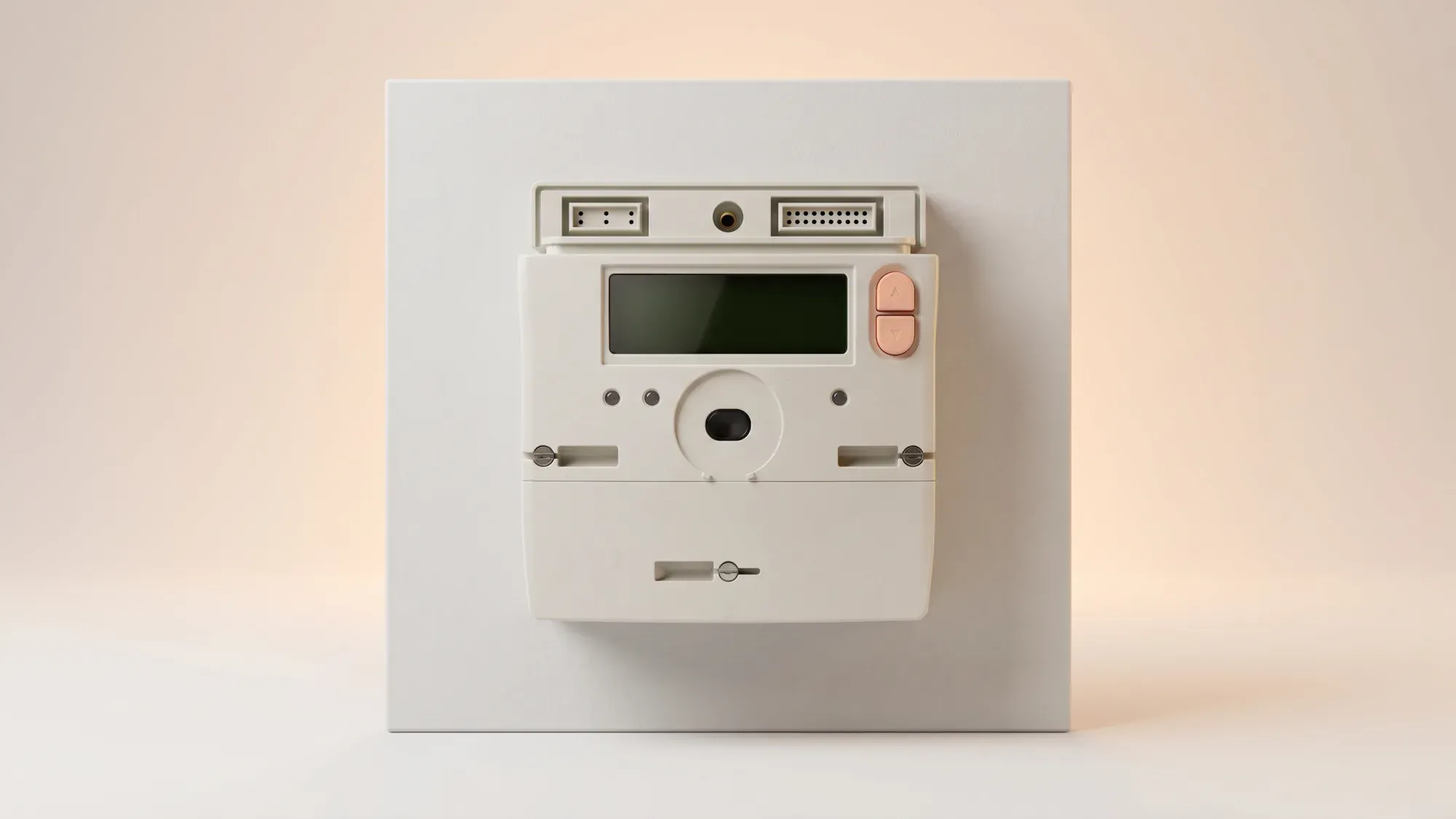
Smart meters are transforming how households manage their energy. These devices offer more than just a way to track usage; they provide real-time data and insights, empowering you to optimise consumption and make informed decisions about your home's energy.
Understanding your energy usage is the first step towards a more efficient home. Fuse Energy helps you unlock the full potential of your smart meter data, giving you the insights you need to take control. Click here to get started.
Enter your address to get a quote and see how much you could save
Understanding smart meters
What is a smart meter?
A smart meter is a digital electricity or gas meter that automatically records your energy usage and sends readings to your supplier. This removes the need for manual meter readings and helps ensure your bills are based on actual consumption, not estimates. They typically come with an In-Home Display (IHD) that shows energy use in pounds and pence, helping households budget better and manage their energy use. Smart meters also enable eligibility for smart-meter-dependent tariff features.
SMETS1 vs SMETS2: key differences
The UK has two main generations of smart meters: SMETS1 and SMETS2. SMETS stands for Smart Metering Equipment Technical Specification. SMETS1 meters were the first generation, installed from 2012 to early 2019. A common issue with early SMETS1 meters was that they could lose smart functionality if you switched energy suppliers. This meant they would revert to acting like traditional meters, requiring manual readings.
SMETS2 meters are the second generation, designed to address the issues of their predecessors. They maintain smart functionality when switching suppliers, ensuring a seamless experience regardless of your energy provider. This improved interoperability is a significant advantage, as it means your smart meter continues to send automatic readings and provide real-time data even if you change who supplies your energy.
The role of the In-Home Display (IHD)
The In-Home Display (IHD) is a small, portable screen that connects wirelessly to your smart meter. It shows your energy consumption in near real-time; the readings update every 10 seconds for electricity and every 30 minutes for gas. This immediate feedback helps you see how much energy you are using and what it is costing you, allowing for instant adjustments to your habits. An IHD can display your usage in kilowatt-hours (kWh), pounds and pence, or even a visual representation like a traffic light system, making it easier to understand your energy footprint.
The benefits of smart meters
Accurate billing and real-time insights
One of the most immediate benefits of a smart meter is accurate billing. By automatically sending readings to your supplier, smart meters significantly reduce estimated bills, helping ensure you only pay for the energy you have actually used. This means fewer unexpected catch-up bills or overpaying for energy you have not consumed. Beyond billing, the real-time data provided by your smart meter and IHD offers unparalleled insights into your energy habits. You can see the impact of turning on appliances, identify energy-hungry devices, and understand your consumption patterns throughout the day.
Empowering energy management
Smart meters put the power of energy management directly into your hands. With access to granular data, you can actively identify areas for smarter usage, rather than just cutting back. For example, you might notice peak usage times and shift non-essential activities to off-peak hours if you are on a time-of-use tariff. This level of detail empowers you to make informed decisions about when and how you use energy, transforming energy management from a chore into an opportunity for optimisation.
Unlocking smart tariffs and future energy solutions
Smart meters are the gateway to a new generation of energy tariffs and advanced home energy solutions. They enable access to smart tariffs, such as time-of-use tariffs, which offer cheaper electricity during off-peak hours. These tariffs reward you for using energy when demand on the grid is lower, or when renewable generation is high. Furthermore, smart meter data is foundational for integrating future energy upgrades like solar panels, battery storage, and electric vehicle (EV) charging. By understanding your energy flows, you can make informed "power plays" for greater energy independence and efficiency.
How to get a smart meter
Eligibility and installation
Getting a smart meter is straightforward for most UK households. Energy suppliers in the UK install smart meters free of charge. You are generally eligible if you have a traditional electricity or gas meter and your supplier is part of the national smart meter rollout. The installation process typically takes around two hours for both electricity and gas meters, and you will need to be home for the appointment. Your supplier will arrange the installation at a time that suits you.
Replacing a legacy meter (RTS)
If you have an older, legacy meter, such as a Radio Teleswitch Service (RTS) meter, it will need to be replaced. The RTS uses a longwave radio signal to switch between peak and off-peak rates, but this service is being phased out across Great Britain, starting from 30 June 2025. If you have an RTS meter, your current energy supplier will contact you to arrange a free upgrade to a smart meter. This replacement is essential to ensure you continue to receive accurate billing and can access modern tariffs. Do not worry about arranging this yourself; your supplier will manage the process.
What is RTS?
RTS (RTS) is a legacy system that uses longwave radio signals to control multi-rate electricity meters, switching between peak and off-peak rates. It is being phased out across Great Britain, with the signal due to be switched off from 30 June 2025, requiring affected meters to be replaced with smart meters.
What to expect during installation
On the day of installation, a qualified engineer from your energy supplier will visit your home. They will need access to your existing electricity and gas meters. The engineer will remove your old meters and install the new smart meters, along with Your In-Home Display (IHD). They will also check that everything is working correctly and show you how to use your new IHD. The power will typically be off for a short period - around 20-30 minutes - during the electricity meter exchange. Once installed, your smart meter will begin sending readings automatically.
Making the most of your smart meter data
Interpreting your energy usage
Your smart meter provides a wealth of data, but the real benefit comes from interpreting it effectively. Your In-Home Display (IHD) is your first port of call, showing real-time consumption in pounds and pence. Pay attention to spikes in usage when certain appliances are switched on. Your energy supplier's app will also provide more detailed historical data, often broken down by day, week, or month. Look for patterns: when do you use the most energy? What activities contribute to higher consumption? Understanding these trends is the first step towards smarter energy use.
Leveraging smart meter data with your energy app
Modern energy apps, like Fuse Energy's, are designed to make smart meter data actionable. They go beyond basic consumption figures, offering visualisations and comparisons. The Fuse app leverages smart meter data to provide real-time insights, granular control, and actionable recommendations, empowering customers beyond basic monitoring. This digital-first experience allows you to track your energy usage on the go.
Optimising for efficiency and cost
With a clear view of your energy usage, you can start optimising for both efficiency and cost. This might involve shifting high-energy tasks, like running your washing machine or charging your EV, to off-peak hours if you are on a time-of-use tariff. You can also identify and address 'phantom load' from devices left on standby. By making small, informed changes based on your smart meter data, you can actively manage your energy consumption, leading to a more efficient and cost-effective home energy strategy.
Choosing the best smart meter supplier
What to look for in a smart meter provider
When choosing an energy supplier, especially with a smart meter, look beyond just the unit rates. Consider the quality of their digital tools, such as their mobile app, and how effectively it helps you interpret and act on your smart meter data. A good supplier will offer transparent billing, easy access to your energy usage history, and proactive support. Look for providers that offer a clear vision for how smart meters integrate into a broader energy strategy, empowering you with control and insights.
Compatibility and switching
If you already have a smart meter, particularly a SMETS2 model, it should retain its smart functionality when you switch suppliers. This means your new supplier will be able to communicate with it and receive automatic readings. If you have an older SMETS1 meter, it might need to be enrolled onto the national smart meter network (DCC) by your new supplier to maintain its smart features. Always check with your prospective new supplier about their compatibility with your existing smart meter to ensure a smooth transition.
Support and digital tools
The best smart meter experience comes with robust support and intuitive digital tools. A supplier that offers 24/7 human customer support for smart meter queries, data interpretation, and optimising energy strategy can be invaluable. Look for an app that provides clear, actionable insights from your smart meter data, allowing you to manage your energy effectively. This combination of reliable technology and accessible support ensures you can truly make the most of your smart meter.
Frequently asked questions about smart meters
Are smart meters mandatory?
No, smart meters are not mandatory. While the UK government aims for every home to be offered a smart meter, you have the right to decline one. However, opting for a smart meter can provide significant benefits in terms of accurate billing, energy insights, and access to smart tariffs.
Do smart meters save you money?
Smart meters themselves do not directly save you money; they provide the data and insights that enable you to save money. By understanding your energy usage in real-time through Your In-Home Display and supplier app, you can identify areas where you can use less, or use energy more smartly, potentially leading to reduced bills. The ability to access smart tariffs can also help you save by using energy during cheaper periods.
What about data privacy?
Smart meters are designed with security and privacy in mind. Your energy usage data is protected and can only be accessed by your energy supplier for billing and service purposes. You have control over how often your data is shared - for example, daily, half-hourly, or monthly. Ofgem, the energy regulator, sets strict rules on how suppliers must handle your data, ensuring your information is secure and used responsibly.
Ready to take control of your home's energy with a smart meter? Fuse Energy offers a modern energy experience, combining clear pricing with real-time usage data in our intuitive app. Our 24/7 human support team is always on hand to help you make the most of your energy. Switch to Fuse Energy today and start your journey towards smarter energy management. Click here to get started. Discover more about our mission to make energy abundant by clicking here.
Disclaimer
For the avoidance of doubt, this article is provided for informational purposes only and is not intended to constitute legal or financial advice. The author and/or Fuse Energy shall not be responsible for any losses arising out of any reliance on the information contained herein.