Best radiator for heat pump
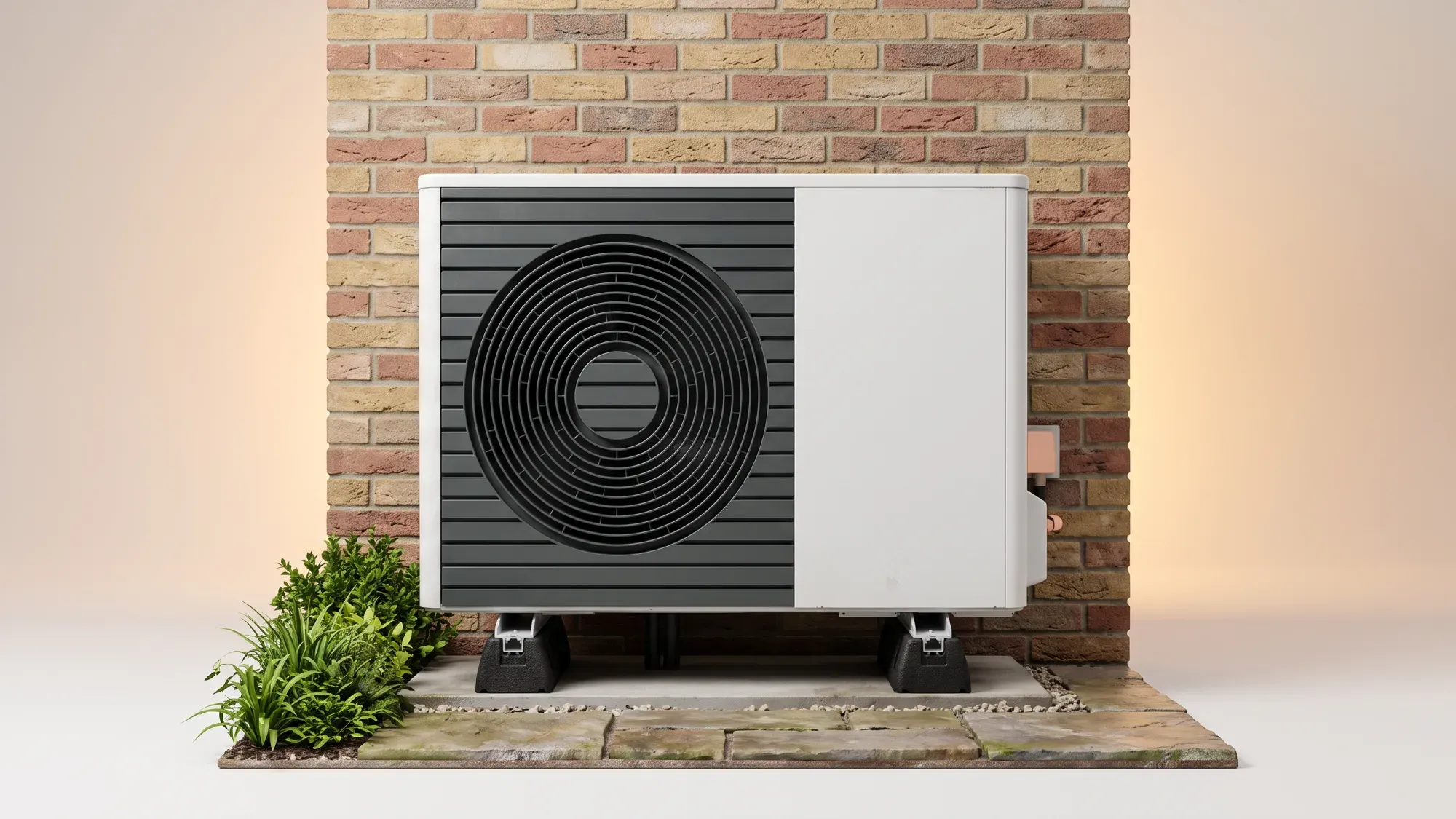
Choosing the right radiators for a heat pump system is a power play for UK homeowners, giving you more control over your comfort and energy use. Heat pumps operate differently from traditional boilers, and understanding these differences is key to an efficient, comfortable home. This guide will help you navigate radiator selection, ensuring your heat pump performs optimally without excessive running costs.
Understanding heat pumps and radiator requirements
Heat pumps are a highly efficient method for heating your home, but they interact with radiators differently than gas boilers do. The main distinction lies in their operating temperatures.
How heat pumps operate at lower temperatures
Heat pumps extract heat from the air, ground, or water and transfer it into your home. Unlike gas boilers that can produce very high flow temperatures (typically 65-80°C), heat pumps operate most efficiently at lower flow temperatures, usually between 35°C and 55°C. Some systems can even be optimised for 30-35°C to maximise efficiency, as the lower the flow temperature, the more efficiently the heat pump runs, a performance metric known as its Coefficient of Performance (CoP).
Why traditional radiators might not be ideal
Traditional radiators are often sized for the higher flow temperatures of gas boilers. When a heat pump supplies water at a much lower temperature to these radiators, their heat output drops significantly. For instance, a radiator rated at 2,000 watts at a Delta T 50 (ΔT50) condition may only deliver around 1,200 watts at ΔT30, which is roughly 51% of its rated output, or even less than half at lower temperatures, such as 42% at ΔT 22.5. This can result in rooms feeling cold or the heat pump working harder and less efficiently to compensate, which increases running costs.
The link between radiator choice and system efficiency
The radiators you choose directly impact your heat pump's efficiency and your home's comfort. Radiators need sufficient surface area to emit enough heat at lower flow temperatures. If radiators are undersized, the heat pump may struggle to reach desired temperatures, leading to a lower CoP and higher energy bills. Correct radiator sizing ensures the heat pump operates within its most efficient temperature range, providing consistent warmth without overworking.
Types of radiators best suited for heat pumps
Not all radiators are equally effective when paired with a heat pump. Certain types are much better at delivering comfortable heat at lower flow temperatures.
Oversized standard panel radiators
For many homes, upgrading to oversized standard steel panel radiators offers a practical and cost-effective solution. These are typically double-panel, double-convector (Type 22) radiators, which provide a larger surface area than single-panel models. You might need radiators with 1.5 to 2.5 times the surface area of those sized for a gas boiler. This increased surface area allows them to emit enough heat even with lower water temperatures. Many existing radiators may already be sufficiently oversized if your home was built after 1990 or has had a recent boiler upgrade.
Aluminium radiators for air source heat pumps
Aluminium radiators are an excellent choice for heat pump systems, especially air source heat pumps, due to their superior thermal properties. They boast high thermal conductivity, meaning they heat up and cool down quickly, making them very responsive to temperature changes. This rapid response helps the heat pump operate efficiently by quickly reaching and maintaining desired room temperatures. Aluminium radiators also have a lower water content than steel, requiring less energy to heat up. They are lightweight and resistant to corrosion, contributing to a longer lifespan.
Why are aluminium radiators good for heat pumps?
Aluminium radiators are highly efficient with heat pumps because they have excellent thermal conductivity and low water content. This allows them to heat up and cool down rapidly, responding quickly to temperature changes and helping the heat pump operate more efficiently. They transfer heat effectively even at the lower flow temperatures typical of heat pump systems.
Low-H2O radiators and fan-assisted radiators
Low-H2O radiators are designed with minimal water content, allowing for very fast response times and efficient operation at low temperatures. Fan-assisted radiators take this a step further by incorporating a small fan to actively push air over the heat exchanger, significantly boosting heat output even with very low flow temperatures. These can be particularly useful in rooms where space is limited or where a higher heat output is required from a smaller unit.
Underfloor heating as an alternative
Underfloor heating (UFH) is often considered the 'gold standard' for heat pump systems. It operates at even lower temperatures (typically 30-35°C), which maximises the heat pump's CoP. UFH provides a large, evenly distributed heat source, creating a comfortable environment. While it is easiest to install during new builds or major renovations, retrofitting UFH is possible in some cases.
Sizing your radiators for optimal performance
Correctly sizing your radiators is perhaps the most critical step in ensuring your heat pump system works effectively and efficiently. This process relies on precise calculations, not guesswork.
Calculating heat loss for each room
The foundation of proper radiator sizing is an accurate heat loss calculation for each room in your home. This assessment determines how much heat each space loses in cold weather, taking into account factors like insulation, window size, and external walls. Professional heat loss calculations are essential, as online calculators often lack the detail needed for accurate sizing.
The importance of heat output at lower flow temperatures
Radiators are typically rated based on a "Delta T 50" (ΔT50) condition, which assumes a much higher water temperature than a heat pump provides. This represents a 50°C difference between the average radiator water temperature and the room temperature. At the lower flow temperatures of a heat pump (e.g., 45°C), a radiator will only produce a fraction of its rated output. Therefore, when selecting radiators, you must consider their actual heat output at your heat pump's design flow temperature, not just their catalogue rating.
Professional assessment and design considerations
A professional heating engineer will conduct a room-by-room heat loss calculation and use this to specify the correct size and type of radiator for each space, ensuring it can meet the heat demand at the heat pump's lower flow temperatures. This assessment is mandatory for MCS-certified heat pump installations. Oversizing radiators by 20% to up to 50% compared to traditional boiler systems is often recommended to compensate for these lower flow temperatures. This prevents the heat pump from having to increase its flow temperature, which would reduce its efficiency.
Key considerations when choosing radiators for your heat pump
Beyond sizing, several other factors play a role in selecting the best radiators for your heat pump system.
Material: aluminium vs steel
The material of your radiator significantly impacts its performance with a heat pump.
- Aluminium: As discussed, aluminium radiators excel in thermal conductivity, heating up quickly and efficiently. They are lightweight, corrosion-resistant, and responsive, making them ideal for the dynamic operation of heat pumps.
- Steel: Steel panel radiators are a common and often more affordable option. While they do not heat up as quickly as aluminium, modern steel radiators, especially oversized double-panel versions, can work effectively with heat pumps. They are durable and retain heat for longer, which can be beneficial in some settings.
Cost and return on investment
The initial cost of radiators can vary widely. While aluminium and specialist Low-H2O radiators might have a higher upfront cost, their enhanced efficiency and responsiveness can lead to lower running costs over time, improving your overall return on investment. Oversized standard steel radiators offer a good balance of performance and affordability.
Installation and compatibility with existing pipework
Consider the practicalities of installation. Replacing radiators might involve adjustments to existing pipework, especially if you are significantly changing radiator sizes or types. Aluminium radiators are lighter, which can make installation easier. It is crucial to ensure any new radiators are compatible with your heat pump system and can be integrated seamlessly.
Aesthetics and space requirements
Radiators come in various styles, from traditional columns to modern flat panels. You will want to choose a design that complements your home's aesthetic. Also, consider the physical space available. Oversized radiators require more wall space, which might be a limiting factor in some rooms. Fan-assisted radiators can offer high output from a smaller footprint, which can be a solution for tight spaces.
Maximising efficiency and comfort with your heat pump system
Optimising your radiator choice is a significant step, but integrating it into a well-managed system unlocks the full potential of your heat pump.
Integrating smart controls and thermostats
Smart controls and thermostats are invaluable for a heat pump system. They allow for precise temperature management, often learning your habits and optimising heating schedules. This prevents the heat pump from working harder than necessary, maintaining a consistent temperature, which is key to its efficiency. Smart controls can help avoid large temperature swings that force the system to ramp up inefficiently.
Balancing radiators for even heat distribution
Once new radiators are installed, the system needs to be properly balanced. This involves adjusting the flow of water to each radiator to ensure even heat distribution throughout your home. A well-balanced system prevents some rooms from being too hot while others remain cold, ensuring comfort and efficiency.
Addressing common homeowner anxieties about heat pump performance
Many homeowners worry about heat pump performance, particularly whether their home will be warm enough or if running costs will be high. By selecting appropriately sized, efficient radiators, these anxieties can be mitigated. The right radiators ensure the heat pump can deliver consistent, comfortable heat at its optimal efficiency, making your home warm without breaking the bank.
Long-term benefits of an optimised system
An optimised heat pump system with correctly chosen radiators offers significant long-term benefits. You will experience consistent home comfort, lower energy bills due to the heat pump operating efficiently, and a reduced carbon footprint. This strategic approach to heating empowers you with greater control over your energy use, aligning with a future where energy is abundant and not a constant worry.
Disclaimer
For the avoidance of doubt, this article is provided for informational purposes only and is not intended to constitute legal or financial advice. The author and/or Fuse Energy shall not be responsible for any losses arising out of any reliance on the information contained herein.