Choosing the best electric car for your home
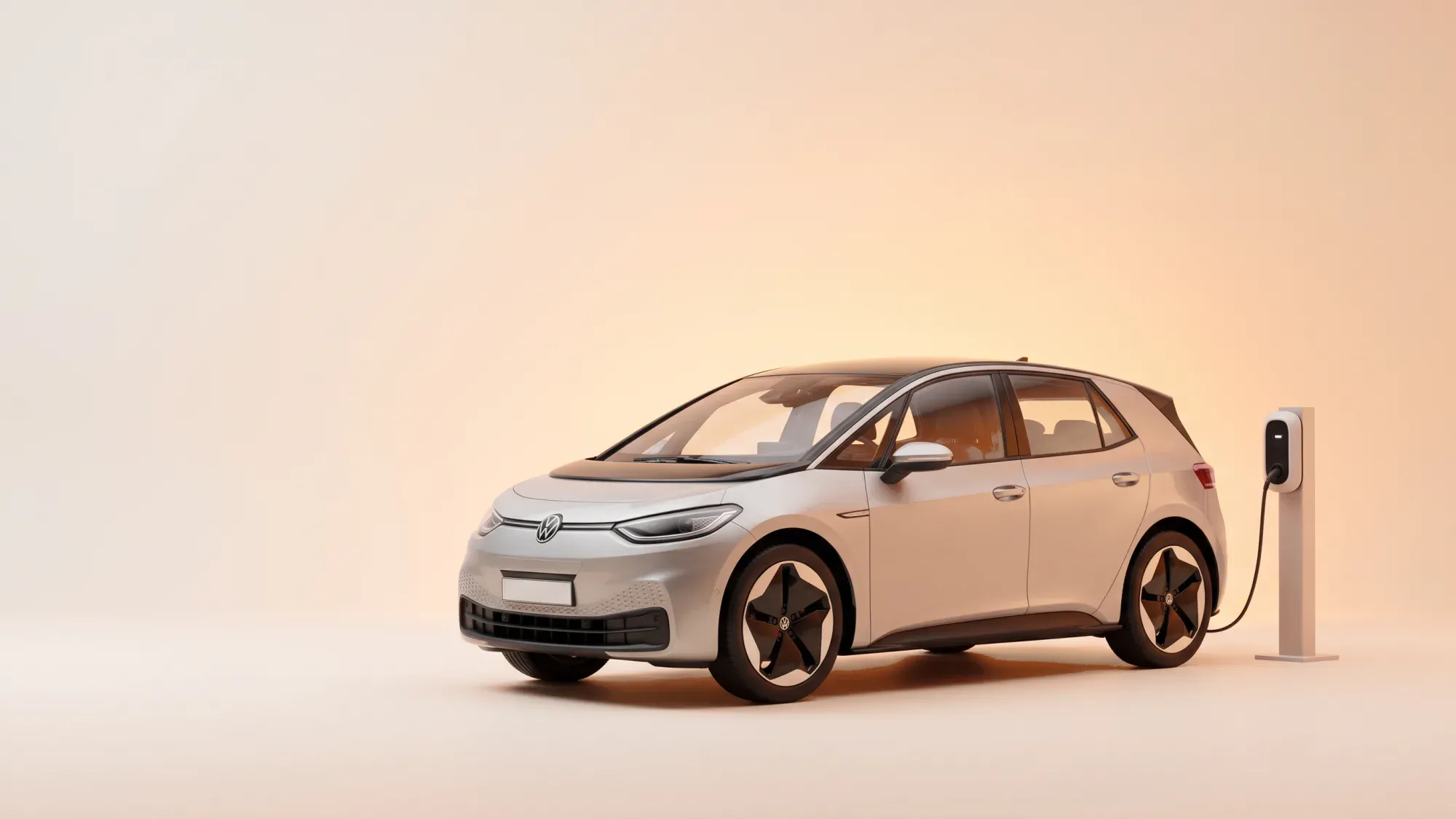
Finding the best electric car for your home involves more than just comparing models; it requires balancing vehicle choice with smart charging and long-term energy savings. The ideal electric vehicle (EV) for you will depend on your daily driving needs, budget, and how effectively it integrates with your home energy setup. This guide helps you navigate the UK's expanding EV market, focusing on how to make an informed decision that optimises both your car and your energy bills.
Choosing an electric car is a significant step towards a more sustainable lifestyle, and Fuse Energy can help you integrate your new EV seamlessly into your home energy system. We offer smart tariffs and tools to help you manage your energy consumption efficiently. Click here to switch to Fuse Energy today.
Enter your address to get a quote and see how much you could save
Choosing the best electric car for your home
The UK electric vehicle market is rapidly expanding, offering a diverse range of models for various needs and budgets. Deciding on the best electric car is a personal journey, influenced by factors often overlooked in the showroom. The true value of an EV emerges when its capabilities align with your lifestyle and home energy strategy.
Beyond the showroom: total cost of ownership
When evaluating electric cars, it is crucial to look beyond the initial purchase price. The total cost of ownership (TCO) for an EV is significantly influenced by running costs, especially charging. Home charging costs vary based on your energy tariff and how efficiently you charge. Focusing solely on the vehicle's upfront cost without considering long-term running costs, particularly charging, is a common pitfall.
The UK EV landscape: what to expect
The UK electric car market offers everything from compact city cars to spacious SUVs and long-range tourers. This diversity means there is an EV for nearly every driver, but it also makes the choice more complex. Understanding the broader context of grants, charging infrastructure, and energy tariffs is essential for making the best decision for your household.
Key considerations when selecting an electric car
Choosing the best electric car involves a detailed look at several technical and practical aspects. These factors directly impact the car's suitability for your lifestyle and its overall cost-effectiveness.
Range and battery size: matching your driving habits
An electric car's range, or how far it can travel on a single charge, is a primary concern for many drivers. This is directly linked to battery size, typically measured in kilowatt-hours (kWh). While advertised ranges can be impressive, real-world range often differs due to driving style, weather, and road conditions. Assess your typical journey lengths and daily driving needs to avoid range anxiety or choosing a car with more battery than you require.
Charging speed and compatibility
Charging speed, measured in kilowatts (kW), dictates how quickly your EV can replenish its battery. This is particularly important for home charging, where a compatible charger can significantly reduce the time your car spends plugged in. Understanding your car's maximum AC charging rate and its compatibility with various home chargers is vital for convenient and efficient ownership. For more details on setting up your home for EV charging, you might find our guide on EV charging at home helpful.
Vehicle size, practicality, and features
The best electric car for you will also meet your practical needs. Consider vehicle size, boot space, seating capacity, and any specific features important for your daily life, such as towing capacity or advanced driver-assistance systems. A small electric car might be perfect for city driving, while an electric SUV could better suit a family.
Upfront cost versus long-term savings
While electric cars often have a higher upfront purchase price than their petrol or diesel equivalents, their long-term running costs can be significantly lower. Evaluating the total cost of ownership involves factoring in potential fuel savings, lower maintenance, and government incentives. For example, the electricity unit rate for a typical Direct Debit household on the Ofgem price-cap default tariff was 26.11p per kWh (inclusive of 5% VAT) from 1 July to 30 September 2026, which is generally cheaper than petrol or diesel per mile.
Popular electric car categories for UK drivers
The UK market offers a wide array of electric cars, each designed to meet different driver needs. Understanding these categories can help narrow down your search for the best electric car.
Best small electric cars for city driving
For those primarily driving in urban environments, a small electric car offers agility, easy parking, and sufficient range for daily commutes. These models often come with more affordable price tags, making them a popular choice for city dwellers seeking an economical and environmentally friendly option.
Top Electric SUVs for families
Electric SUVs provide the space, comfort, and versatility that families often require. With larger batteries, they typically offer a good balance of range and practicality for longer journeys, while still benefiting from lower running costs compared to their fossil-fuel counterparts.
Long-range EVs for extended journeys
Drivers who frequently undertake longer trips will prioritise electric cars with extended ranges. These vehicles feature larger battery capacities and efficient powertrains, designed to minimise charging stops and reduce range anxiety on cross-country journeys.
Optimising your electric car experience with home charging
The true convenience and cost-effectiveness of owning an electric car are unlocked through an efficient home charging setup. This integration is key to making your chosen EV the "best" for your household.
Understanding home charger types and installation
Home EV chargers, often called wallboxes, typically provide faster and more reliable charging than a standard three-pin plug. Installation involves assessing your home's electrical system and ensuring compatibility. It is crucial to evaluate your home's suitability for an EV charger and understand installation requirements and costs. You can also learn more about smart meter installation to further enhance your home energy management.
Smart charging and off-peak tariffs
Smart charging allows your electric car to charge automatically during off-peak hours when electricity is cheaper, often overnight. This can lead to significant savings on your energy bills. Integrating your EV with smart energy management systems for optimal savings is a key advantage of electric car ownership. The average UK home uses around 2,500 kWh of electricity per year, according to Ofgem's medium Typical Domestic Consumption Value, effective from 1 July 2026. By charging during off-peak times, you can manage this additional load more economically.
Government grants for EV chargepoints
The UK government offers grants to support the installation of home EV chargepoints. The EV Chargepoint Grant for renters and flat owners provides up to £500 towards installing a chargepoint at the property, for those who own and live in a flat or rent any residential property with private off-street parking. Similarly, the EV Chargepoint Grant for households with on-street parking offers up to £500 for those installing a cross-pavement solution. These grants can significantly reduce the upfront cost of setting up your home charging infrastructure.
Who is eligible for OZEV EV chargepoint grants?
The EV Chargepoint Grant for renters and flat owners and the EV Chargepoint Grant for households with on-street parking both offer up to £500. Eligibility depends on your living situation and parking arrangements. Homeowners living in houses with private off-street parking are typically not eligible for current domestic chargepoint grants.
Integrating your EV with your home energy
A holistic approach to EV ownership means considering how your vehicle choice integrates with your overall home energy strategy. This includes selecting an energy supplier that offers smart tariffs and tools to manage your consumption, ensuring your electric car becomes an asset rather than a burden on your energy bills.
Making your electric car the 'best' with Fuse Energy
Fuse Energy enhances the electric car experience by integrating vehicle choice with home energy infrastructure and smart charging strategies. We offer a holistic view of EV ownership that goes beyond just the car, helping you optimise energy use and turn potential high charging costs into an advantage.
Seamless home charger installation: the Easee One
Fuse Energy provides practical support for EV owners, including the supply and installation of smart home chargers. We offer the Easee One EV charger, including full installation, for £899. This provides a reliable home charging solution. This 7.4 kW charger comes with a 3-year warranty and a universal socket, ensuring compatibility with most electric vehicles.
Smart tariffs for cost-effective charging
Choosing an EV with Fuse means optimising energy use through smart tariffs and efficient charging. The Fuse app helps manage home energy, allowing EV owners to track usage and optimise charging for savings and convenience. This transparent control ensures you can charge your electric car when electricity is cheapest, making your EV ownership more economical.
24/7 support for peace of mind
Fuse provides practical support for EV owners, from 24/7 human customer service to the installation of smart home chargers. This ensures you have assistance whenever you need it, making your transition to electric driving smooth and stress-free.
A holistic approach to EV ownership
Fuse Energy helps rebuild the energy system by integrating vehicle choice with home energy infrastructure. We offer a holistic view of EV ownership that goes beyond just the car, providing UK-specific advice on home charger installation, grants, and energy tariffs. This approach connects your best electric car decision to long-term energy savings and convenience through our offerings.
Managing your energy bills should be clear and easy to understand. Fuse Energy focuses on straightforward pricing, so you can see exactly what you are paying without unnecessary complexity. If you have a smart meter, you can view detailed usage data through the app or website, helping you understand how you can lower your bills. If you do not have a smart meter, Fuse Energy can upgrade your non-smart meter, completely for free. This can make it easier to track spending and make informed decisions about your energy use. Our 24/7 human support team is always on hand with fast response times whenever you need help. Click here to switch to Fuse Energy today. Find out about our mission by clicking here.
Disclaimer
For the avoidance of doubt, this article is provided for informational purposes only and is not intended to constitute legal or financial advice. The author and/or Fuse Energy shall not be responsible for any losses arising out of any reliance on the information contained herein.