Understanding your average electric bill
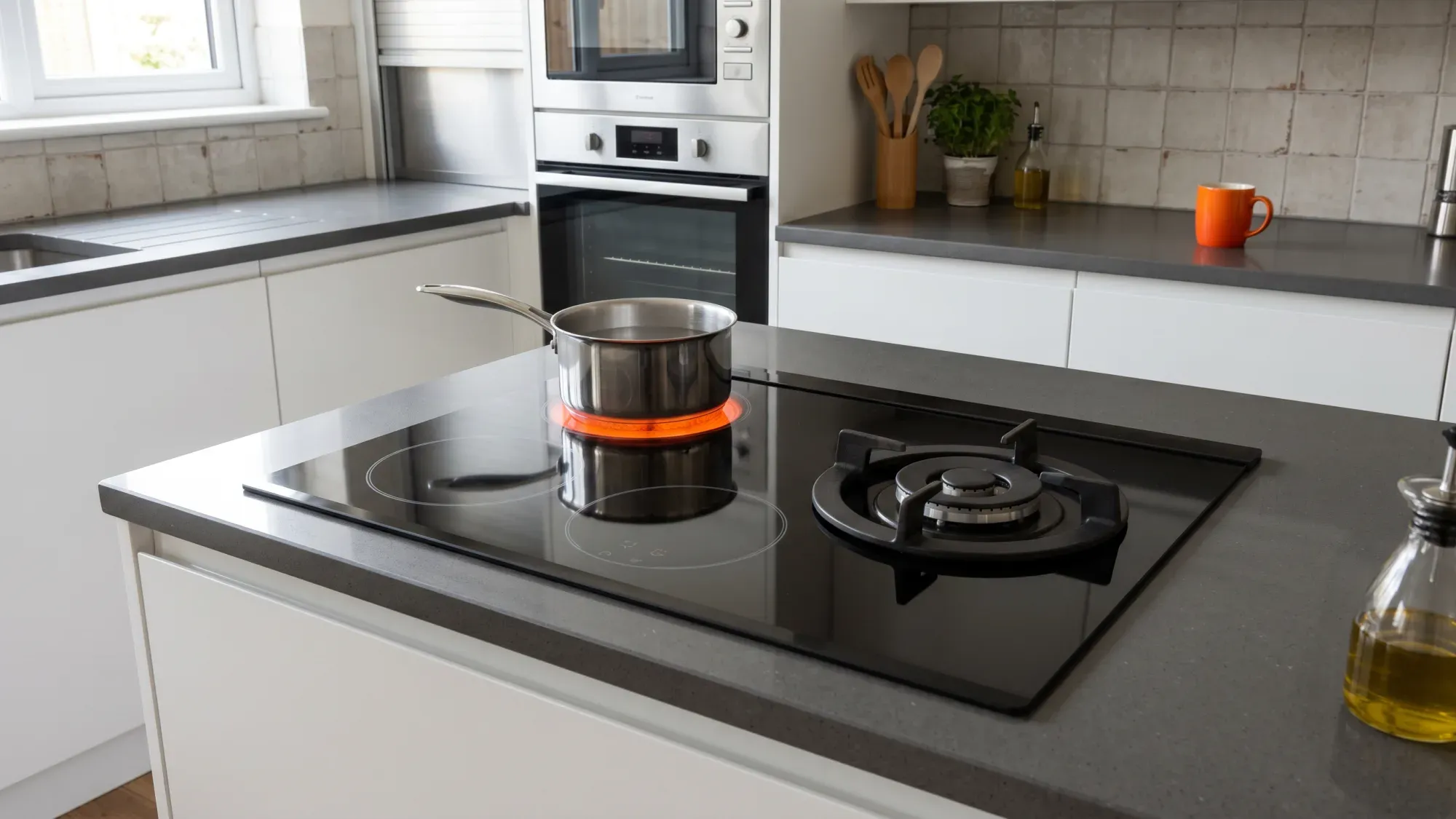
The average UK home uses around 2,500 kilowatt-hours (kWh) of electricity per year, a figure based on Ofgem's medium Typical Domestic Consumption Value (TDCV) effective from 1 July 2026. Understanding your electricity bill is the first step towards managing your energy consumption effectively and making informed decisions. This article will show how householders can gain control and optimise their energy use.
Managing your electricity usage effectively can lead to significant savings. Fuse Energy provides transparent tools and support to help you understand and control your energy consumption. Click here to switch to Fuse Energy today and start taking control of your bills.
Enter your address to get a quote and see how much you could save
What makes up your electricity bill?
Your electricity bill isn't just a single number; it's a breakdown of several charges that reflect your energy usage and the costs associated with delivering electricity to your home. Knowing these components helps you understand where your money goes and how you might reduce it.
Unit rates and standing charges
Every electricity bill is primarily composed of two elements: the unit rate and the standing charge. The unit rate is the cost you pay for each kilowatt-hour (kWh) of electricity you consume. For an illustrative Direct Debit household on the Ofgem price-cap default tariff for 1 July to 30 September 2026, the electricity unit rate is 26.11p per kWh, including 5% VAT. The standing charge, on the other hand, is a fixed daily fee that covers the costs of supplying electricity to your home, regardless of how much you use. This charge contributes to the maintenance of the energy network and other operational costs. For the same period, the average daily standing charge is 57.19p.
Understanding your consumption
Your electricity consumption is measured in kWh, representing the amount of energy used by your appliances over time. For example, a 1,000-watt (1kW) appliance running for one hour uses 1 kWh of electricity. Your total consumption directly impacts the variable portion of your bill. The more kWh you use, the higher this part of your bill will be.
The impact of the energy price cap
Ofgem, the UK's energy regulator, sets the energy price cap, which limits the maximum amount suppliers can charge per unit of energy and for standing charges. This cap is reviewed quarterly and influences the overall average bill, providing a ceiling for standard variable tariffs. It's important to remember that the price cap limits the unit rates and standing charges, not your total bill; if you use more energy, you will pay more, even under the cap.
Average electricity costs
Benchmarking your electricity bill against national averages can provide valuable insight, but it's crucial to understand that these averages are just a starting point. Your actual costs will depend on various factors unique to your household.
National averages vs your household
The average UK home uses around 2,500 kWh of electricity per year. This figure, based on Ofgem's medium TDCV effective from 1 July 2026, serves as a common benchmark. However, this is an average, and your personal usage, property type, and energy habits will cause your bill to differ.
Regional variations in bills
Electricity bills vary by region across the UK due to differing network costs and supplier offerings. The UK has 14 grid Supply Point (GSP) groups, and the price cap differs by GSP, meaning two customers on the same tariff can have different unit and standing charges based on location. Factors such as the cost of maintaining local distribution networks can influence the unit rates and standing charges in different areas.
How household size affects your bill
The number of occupants in a household significantly influences average electricity consumption and costs. More people generally lead to higher energy usage for cooking, charging devices, and other daily activities.
What is the average electricity bill for a 2-person household?
For a two-person household, electricity consumption often aligns with the national average for a medium-sized home, using approximately 2,500 kWh annually.
While a two-person household might align with the 2,500 kWh average, a larger family in a bigger home will typically consume more, leading to higher bills.
Key factors influencing your electricity bill
Beyond the basic unit rates and standing charges, several other elements play a significant role in shaping your monthly electricity expenditure. Understanding these can help you identify areas for potential savings.
Property type and energy efficiency
The type of property you live in and its energy efficiency are major determinants of your electricity bill. Larger homes generally require more energy for lighting and heating, while older properties may have poorer insulation, leading to heat loss and increased electricity consumption, especially if electric heating is used. Modern, well-insulated homes typically have lower energy demands.
Appliance usage and habits
Your daily habits and the appliances you use contribute directly to your electricity consumption. High-wattage appliances, such as electric showers, tumble dryers, and ovens, can significantly increase your bill if used frequently. Leaving lights on in empty rooms or devices on standby also adds up over time. Understanding which appliances consume the most energy and adjusting your usage patterns can lead to noticeable savings.
Tariff choices and meter types
The type of energy tariff you are on and your meter type also influence your bill. Standard variable tariffs, which are subject to the energy price cap, are common, but other options like fixed tariffs (where your unit rate is locked for a period) or time-of-use tariffs (which offer different rates at different times of the day) can affect your costs. Dual-rate tariffs, for example, require either a smart meter or a multi-register meter to track peak and off-peak usage. You can learn more about different energy tariffs explained to find the best fit for your home.
Actionable strategies to reduce your electricity bill
Taking control of your electricity bill doesn't mean sacrificing comfort; it means making smart choices and optimising your energy use.
Optimising appliance use
One of the most direct ways to reduce your electricity bill is to be mindful of your appliance usage. Consider running washing machines and dishwashers only when full, and at cooler temperatures where possible. Unplug chargers and devices when not in use to avoid 'phantom load' or 'vampire drain'. Investing in energy-efficient appliances (those with higher energy ratings) can also lead to long-term savings.
Improving home energy efficiency
Enhancing your home's energy efficiency can have a substantial impact on your electricity consumption. Simple measures like ensuring your home is well-insulated, sealing draughts around windows and doors, and switching to LED lighting can reduce the amount of electricity needed to heat, cool, and light your home.
Exploring smart meter benefits and tariffs
Smart meters provide granular usage data that can help householders understand and manage their electricity consumption more effectively. They eliminate the need for manual meter readings and provide accurate bills, as they send readings directly to your supplier. Consider a smart meter installation to unlock these benefits.
Smart meters offer accurate billing, eliminate manual readings, and provide real-time energy usage data, empowering you to monitor and manage your consumption effectively. They also enable access to flexible tariffs, which can offer cheaper rates at specific times, helping you save money.
With a smart meter, you can also access time-of-use tariffs, which charge different rates for electricity at different times of the day. This allows you to shift high-energy activities to off-peak hours when electricity is cheaper, potentially lowering your overall costs.
Gaining control with smart energy management
The future of energy management lies in understanding and actively controlling your consumption, moving beyond abstract averages to personal, actionable insights.
Harnessing smart meter data
Smart meters are more than just billing devices; they are powerful tools for energy management. They provide real-time data on your electricity usage, often accessible through an in-home display or your energy supplier's app. This visibility allows you to identify energy-intensive habits and pinpoint which appliances are consuming the most electricity. By understanding when and how you use energy, you can make informed decisions to reduce waste and optimise your consumption patterns.
The role of digital tools and apps
Modern energy suppliers, like Fuse, empower customers with transparent apps that visualise and manage energy consumption. These digital tools can translate raw smart meter data into easy-to-understand insights, showing you daily, weekly, or monthly usage trends and costs. This level of detail moves you beyond simply receiving a bill to actively engaging with your energy use, helping you track progress and make further adjustments. Fuse's app, for instance, is designed to help you see and control your energy, giving you the capability to manage your usage efficiently.
Future-proofing your energy use
By actively managing your electricity consumption today, you're not just saving money; you're also preparing for a more dynamic energy future. Understanding your usage patterns and optimising your home's efficiency makes you more resilient to price fluctuations and better positioned to take advantage of future energy innovations, such as smart home devices or local energy generation. This approach fosters a sense of control and capability, ensuring you have the energy you need without constant financial concern.
Take control of your energy bills with Fuse Energy. We offer clear pricing, real-time usage data through our app, and 24/7 human customer support to help you make smarter energy choices. Switching is quick and easy, so you can start managing your energy more effectively today. Click here to switch to Fuse Energy. Discover more about our mission to make energy fair and simple by clicking here.
Disclaimer
For the avoidance of doubt, this article is provided for informational purposes only and is not intended to constitute legal or financial advice. The author and/or Fuse Energy shall not be responsible for any losses arising out of any reliance on the information contained herein.