Are solar panels worth it?
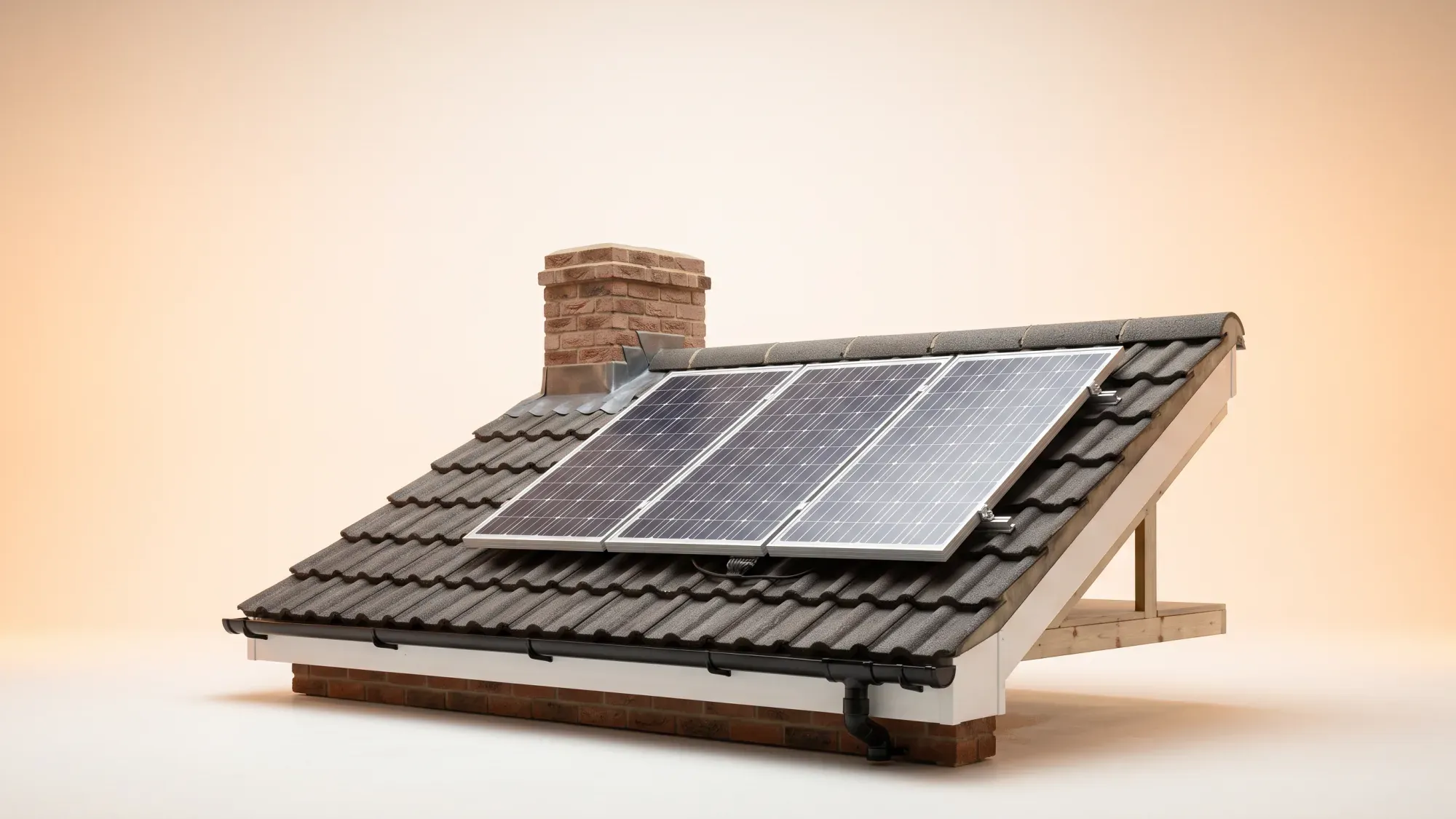
Investing in solar panels is a strategic move for UK homeowners looking to take control of their energy future. Beyond environmental benefits, solar panels offer significant financial advantages, reducing household electricity bills and providing a pathway to greater energy independence. This guide rigorously explores the costs, savings, and practicalities, positioning solar as a powerful play in managing your home's energy.
Understanding solar panel costs and savings
Understanding the financial landscape of solar panel installation is the first step towards making an informed decision. The initial outlay is a key consideration, but it is crucial to view this against the backdrop of long-term savings and potential earnings.
Initial investment: what to expect
The cost of installing a solar photovoltaic (PV) system in the UK has become more accessible. A typical 4kWp solar PV system, suitable for many homes, generally costs between £5,500 and £8,500 for panels and inverter only. If you opt to include a battery storage system, which many homeowners do to maximise self-consumption and independence, the total investment for a 4kW system with a battery can range from £10,000 to £14,000 or more, depending on the battery size and panel quality. These figures include installation and currently benefit from 0% VAT until 31 March 2027, making it a more affordable time to invest.
Potential savings on electricity bills
Once installed, solar panels significantly reduce your reliance on grid electricity, directly lowering your monthly bills. By generating your own power, you offset the electricity you would otherwise buy from your supplier. The exact savings depend on your household's energy consumption patterns, the size and efficiency of your solar system, and the prevailing electricity prices. With electricity prices remaining high, every unit your solar system generates is a unit you do not have to purchase, leading to substantial long-term financial benefits.
The Smart Export Guarantee (SEG) explained
The Smart Export Guarantee (SEG) is a government-backed scheme that allows you to earn money by selling any surplus electricity your solar panels generate back to the National Grid. Licensed electricity suppliers are mandated to offer a tariff for this exported electricity, ensuring you get paid for power you do not use yourself. This means your solar panels can become an income-generating asset, further improving the financial return on your investment. To qualify, your solar installation must be MCS-certified, and you will typically need a smart meter capable of providing half-hourly export readings. You can learn more about this scheme in our guide to understanding the SEG.
The financial case for solar panels
Beyond immediate bill reductions, the financial benefits of solar panels extend to long-term returns and increased property value.
Calculating your payback period
The payback period is the time it takes for the savings from your solar panels to equal their initial installation cost. In the UK, this typically ranges from 8 to 12 years for a standard home solar system. This timeframe can be influenced by several factors, including the initial cost of your system, your household's electricity usage, the amount you export to the grid via the SEG, and future electricity price fluctuations. After the system has paid for itself, you continue to benefit from free electricity generation for the remainder of its lifespan, which can be 25 years or more.
What is the SEG?
The SEG is a UK government scheme requiring licensed electricity suppliers to pay homeowners for any excess renewable electricity they export to the National Grid. This allows solar panel owners to earn money from the power their system generates but they do not use themselves, provided their installation is MCS-certified and they have a smart meter.
Impact on property value
Installing solar panels can also enhance the value of your property. Recent studies indicate that homes with solar panels can sell for a premium. Research from Swansea University and the University of Birmingham suggests an uplift of between 6.1% and 7.1% on average, which could translate to an increase of around £14,000 to £16,000 on an average UK home. This added value is driven by lower running costs, improved Energy Performance Certificate (EPC) ratings, and the increasing demand from buyers for sustainable, energy-efficient homes.
Available grants and incentives
While direct grants for solar panel installation are less common than in previous years, the 0% VAT on solar installations (until 31 March 2027) acts as a significant incentive, reducing the upfront cost by hundreds or even thousands of pounds. The SEG also serves as an ongoing financial incentive, providing a continuous income stream for exported electricity. Always check for any local council schemes or specific regional initiatives that might offer additional support.
Beyond savings: environmental and energy independence benefits
While the financial case for solar panels is compelling, the advantages extend far beyond your bank balance.
Reducing your carbon footprint
Generating your own electricity from solar panels means you are using a clean, renewable energy source. This directly reduces your reliance on fossil fuels, contributing to a lower carbon footprint for your household. It is a tangible step towards a more sustainable lifestyle, harnessing the abundant power of the sun.
Gaining energy independence and control
Perhaps one of the most empowering benefits of solar panels is the increased energy independence they offer. By generating your own electricity, you become less susceptible to fluctuating energy prices and disruptions to the National Grid. This shift puts the control of your energy generation and consumption firmly in your hands, aligning with a vision of having power to play with. It is a strategic move that challenges the traditional scarcity mindset of energy, embracing the abundance solar offers.
Practical considerations for UK homeowners
Before making the switch to solar, there are a few practical aspects to consider to ensure a smooth transition.
Suitability of your home
Not all roofs are equally suited for solar panels. Factors like roof orientation (south-facing is ideal, but east and west can also be effective), shading from trees or neighbouring buildings, and the structural integrity of your roof all play a role. A professional installer will assess these elements to determine the optimal system design for your property.
Installation process and maintenance
The installation process typically involves mounting panels on your roof, connecting them to an inverter (which converts direct current electricity into alternating current for your home), and integrating the system with your home's electrical supply. It is crucial to use MCS-certified installers to ensure quality and eligibility for schemes like the SEG. Once installed, solar panels require minimal maintenance, usually just an annual check-up and occasional cleaning to maintain optimal performance.
Integrating with home energy systems
Solar panels work even better when integrated with other home energy technologies. Adding a battery storage system allows you to store excess solar electricity generated during the day for use in the evenings or on cloudy days, further increasing your self-consumption and energy independence. Smart meters are also essential for monitoring your generation and export, and they enable participation in SEG tariffs.
Making your power play: next steps
Taking the leap into solar energy is a significant decision, but with the right approach, it can be a rewarding one.
Getting quotes and choosing an installer
The best way to start is by obtaining multiple quotes from MCS-certified solar panel installers. This allows you to compare system designs, costs, and projected savings. Do not just focus on the lowest price; consider the installer's reputation, warranty offerings, and customer service. A thorough evaluation will ensure you choose a reliable partner for your solar journey.
Long-term outlook for solar energy
The long-term outlook for solar energy in the UK is bright. As technology continues to advance and energy prices remain volatile, the financial and environmental benefits of solar panels are only set to grow. Investing in solar today is not just about immediate savings; it is about making a future-proof power play that secures your home's energy independence and contributes to a more sustainable world.
Disclaimer
For the avoidance of doubt, this article is provided for informational purposes only and is not intended to constitute legal or financial advice. The author and/or Fuse Energy shall not be responsible for any losses arising out of any reliance on the information contained herein.