Are gas prices going up?
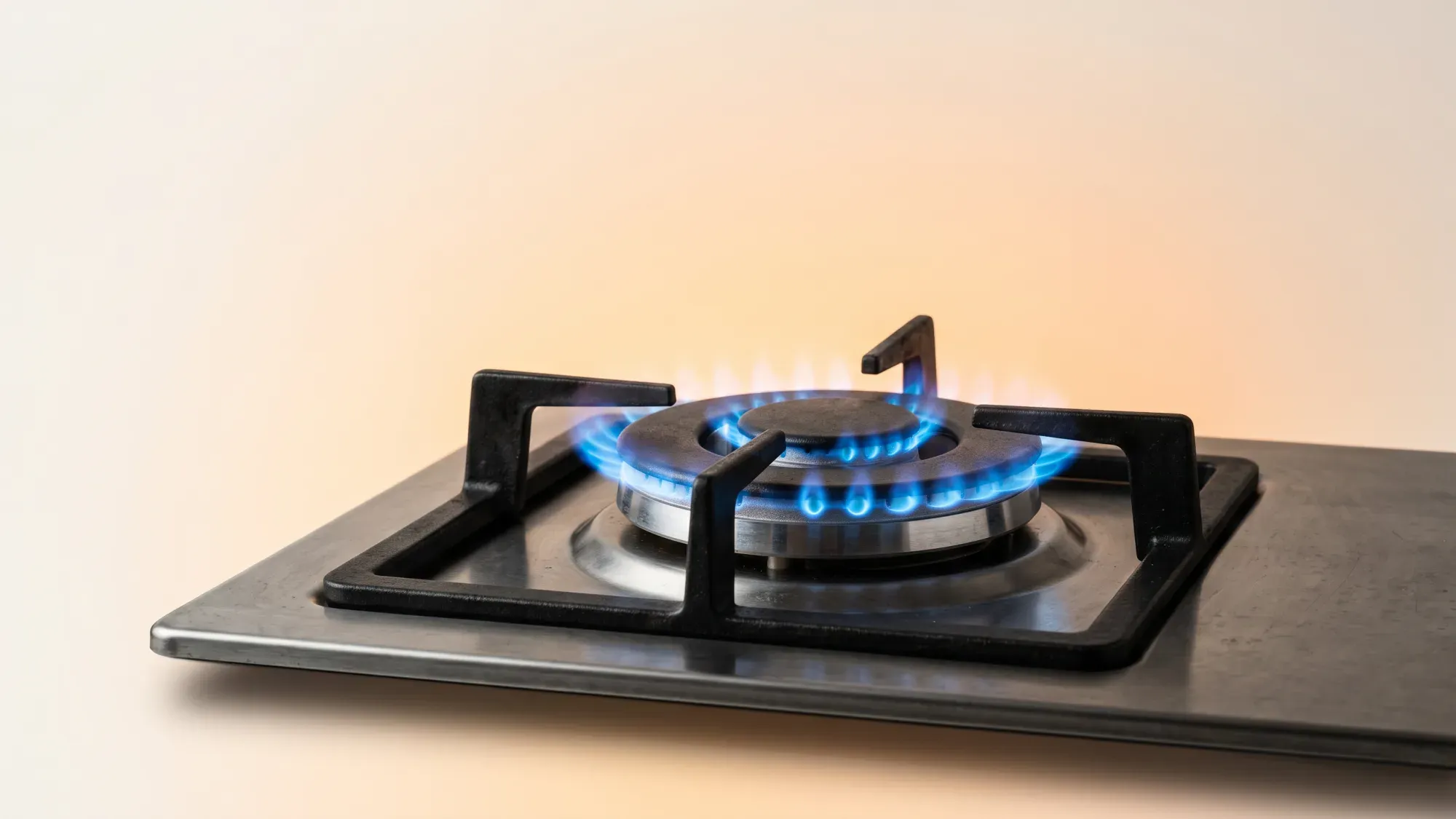
UK gas prices remain a significant concern for householders, with energy bills heavily influenced by a volatile global market. Understanding the factors driving these costs and what the future might hold is crucial for managing household finances. This article explores current trends, the mechanics of the energy price cap, and future forecasts, offering a forward-looking perspective on how the energy landscape is evolving.
Understanding the dynamics of gas prices is key to managing your home energy costs. Fuse Energy offers clear pricing and tools to help you stay on top of your energy usage. Click here to switch to Fuse Energy today.
Enter your address to get a quote and see how much you could save
Current UK gas and electricity price trends
Have energy prices gone up recently?
Yes, energy prices in the UK have seen significant fluctuations recently, impacting household bills. While there have been periods of decrease, the overall trend has been one of heightened volatility compared to historical norms. These movements are a direct reflection of changes in the wholesale energy market.
Understanding recent price movements
The cost of your energy bill is primarily driven by the wholesale price of gas, even for electricity, as gas-fired power stations often set the marginal price for electricity generation. Global events, supply and demand dynamics, and even weather patterns can cause rapid shifts in these wholesale costs. For instance, the average UK home uses around 2,700 kWh of electricity per year, a figure consistent with median typical domestic consumption values from GOV.UK and Ofgem, that directly translates into bill costs based on unit rates.
Why are gas prices rising? key factors explained
Global wholesale market dynamics
The UK's energy market is deeply interconnected with global wholesale markets. This means that factors affecting supply or demand anywhere in the world can quickly influence prices here. When global demand for gas rises, or supply is constrained, wholesale prices increase, and these costs are eventually passed on to consumers.
What are wholesale gas prices?
Wholesale gas prices are the cost at which energy suppliers buy gas on the international market before it reaches your home. These prices are influenced by global supply and demand, storage levels, and the cost of transportation. They are the primary driver of UK household energy bills, impacting both gas and electricity costs.
Geopolitical events and supply security
Geopolitical events, such as conflicts or disruptions in major gas-producing regions, have a profound impact on supply security and, consequently, on wholesale gas prices. Any perceived threat to the steady flow of gas can lead to immediate price spikes as markets react to potential shortages. This vulnerability highlights the need for a more resilient and diversified energy system.
Impact of energy demand and weather patterns
Energy demand fluctuates significantly with weather patterns. Colder winters naturally lead to higher demand for heating, increasing gas consumption. If supply cannot keep pace with this surge in demand, prices will rise. Conversely, milder weather can lead to lower demand and a softening of prices. This seasonal variability adds another layer of complexity to price forecasting.
The energy price cap: how it works and its impact
What is the energy price cap?
The energy price cap, set by the energy regulator Ofgem, limits the maximum amount suppliers can charge per unit of energy (kWh) and for the standing charge. It's designed to protect householders from sudden, excessive price increases and ensure that default tariffs reflect the actual cost of supplying energy.
How the cap influences your bills
While the price cap sets a maximum unit rate, it is not a fixed bill. Your actual bill will still depend on how much energy you use. The cap is reviewed and adjusted quarterly by Ofgem to reflect changes in wholesale energy costs and other industry expenses. This means that while the cap provides a ceiling, your bills can still go up or down each quarter in line with these adjustments. It's important to note that the price cap does not completely insulate consumers from wholesale price changes; it merely smooths out and limits the extent of these fluctuations.
Upcoming price cap adjustments
Ofgem announces price cap adjustments several weeks before they come into effect, typically for periods starting in January, April, July, and October. For example, the energy price cap is set to rise by 13% from 1 July 2026, impacting default tariffs. These announcements provide householders with an indication of how their energy costs might change in the coming months. Staying informed about these adjustments is key to anticipating changes in your energy expenditure.
Future gas and electricity price forecasts
Short-term outlook: what to expect next quarter
Industry analysts closely monitor wholesale markets and geopolitical developments to provide short-term forecasts for energy prices. These predictions often look several quarters ahead, offering insights into potential price cap movements. While specific figures can vary, the general consensus helps householders prepare for upcoming changes.
Long-term predictions: will energy prices go down in 2026?
Predicting long-term energy prices is complex, but many forecasts suggest continued volatility, with a gradual trend towards stabilisation as the UK transitions to more renewable energy sources. While significant drops are not guaranteed, the push for energy independence and decarbonisation aims to reduce reliance on unpredictable fossil fuel markets. Whether energy prices will go down significantly in 2026 depends heavily on global stability, the pace of renewable energy deployment, and the effectiveness of energy efficiency measures.
Expert analysis and market projections
Experts generally agree that the long-term solution to energy price volatility lies in diversifying energy sources and reducing dependence on imported fossil fuels. Investments in renewable energy, such as wind and solar, alongside improvements in energy storage and grid infrastructure, are projected to contribute to a more stable and potentially lower-cost energy future.
Beyond scarcity: Fuse's vision for abundant energy
Challenging the 'use less' narrative
For too long, the energy industry has promoted a narrative of scarcity, urging householders to "use less" as the primary solution to rising costs. Fuse challenges this mindset, believing that humanity has the right to use more energy, not less, to prosper and build a better future. We don't settle for the scarcity story; instead, we envision a future with power to play with, where energy is so abundant it stops being a concern.
How vertical integration stabilises costs
Fuse's strategy involves vertically integrating and rebuilding the energy system from scratch. This means investing in our own generation assets, like solar and wind projects, and developing advanced infrastructure. By owning more of the energy supply chain, Fuse aims to work towards decoupling consumer bills from the extreme volatility of wholesale gas markets, with the goal of offering a more stable and predictable energy experience for householders. This approach is about creating a system where energy is abundant and affordable, rather than simply managing its scarcity.
Making energy a 'power play' for householders
Choosing Fuse is designed to feel like a power play for householders. It's about shifting the balance of power into your hands, giving you more control and a more optimistic outlook on your energy future. This isn't just about managing scarcity; it's about building a future where energy is plentiful, allowing you to live fully and pursue ambitions without constant worry about the cost of power.
Taking control: what you can do about rising energy costs
Understanding your energy usage
Gaining a clear understanding of your energy consumption is the first step towards managing costs. Smart meters can provide real-time data on your electricity and gas usage, helping you identify where and when you use the most energy. This insight empowers you to make informed decisions about your energy habits.
Exploring smart home technologies
Smart home technologies, such as smart thermostats and connected appliances, can optimise your energy use without requiring you to constantly monitor consumption. These systems can learn your routines and adjust heating, cooling, and appliance usage to maximise efficiency, contributing to a more comfortable home and potentially lower bills.
Choosing a supplier building a better future
When considering your energy supplier, look beyond just the immediate tariff. Choose a supplier that is actively investing in a more stable and abundant energy future. Fuse, for example, is committed to building an energy system that moves beyond the scarcity narrative, aiming to provide householders with a path to more predictable and affordable energy costs through vertical integration and innovative solutions.
Managing your energy bills should be clear and easy to understand. Fuse Energy focuses on straightforward pricing, so you can see exactly what you're paying without unnecessary complexity. If you have a smart meter, you can view detailed usage data through the app or website, helping you understand how you can lower your bills. If you don't have a smart meter, Fuse Energy can upgrade your non-smart meter, completely for free. This can make it easier to track spending and make informed decisions about your energy use. Our 24/7 human support team is always on hand with fast response times of under 5 minutes whenever you need help. Click here to switch to Fuse Energy today. Find out about our mission by clicking here.
Disclaimer
For the avoidance of doubt, this article is provided for informational purposes only and is not intended to constitute legal or financial advice. The author and/or Fuse Energy shall not be responsible for any losses arising out of any reliance on the information contained herein.