Gas boiler alternatives for your home
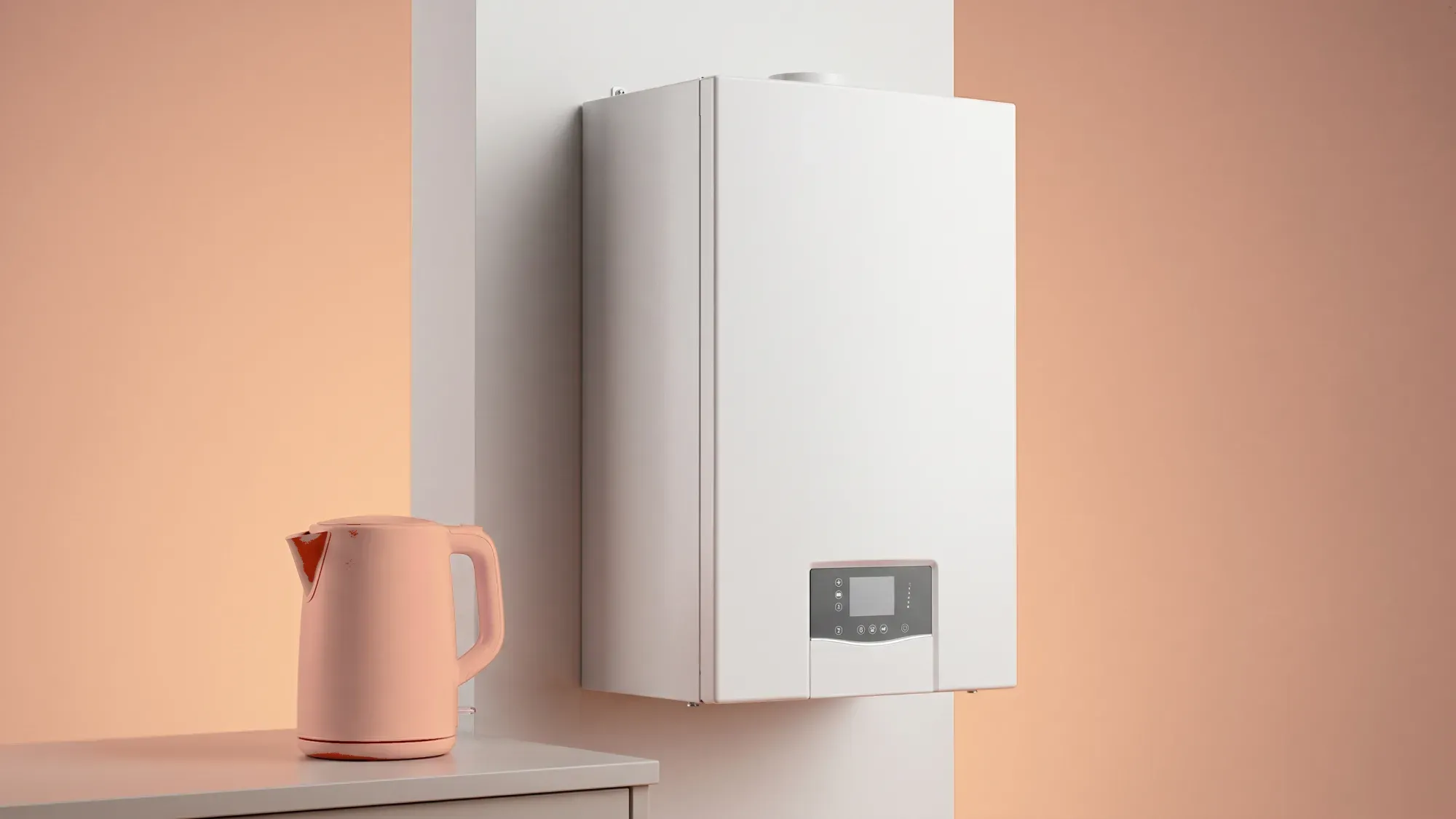
The move away from traditional gas boilers is more than just about meeting environmental targets; it is a strategic step for UK homeowners to gain greater control over their energy consumption and costs. With rising energy prices and evolving regulations, exploring alternatives to gas boilers is a power play for a more efficient, sustainable, and future-proof home heating system.
Understanding the shift: why consider an alternative to a gas boiler?
For decades, gas boilers have been the standard for heating UK homes. However, a combination of government policy, increasing costs, and a growing awareness of environmental impact is rapidly changing this landscape.
The 2025 deadline and beyond
The Future Homes Standard (FHS) aims to make new homes "zero carbon ready" by 2025, meaning they will not be built with fossil fuel heating systems, such as natural gas boilers. Instead, these properties will need to incorporate low-carbon heating systems from day one, such as heat pumps or heat networks, to meet stringent energy efficiency standards and reduce carbon emissions.
It is important to clarify that this regulation primarily applies to new builds, not existing homes. If you currently have a gas boiler, there is no immediate requirement to replace it. However, the 2025 target signals a clear direction of travel, positioning low-carbon heating as the standard for future homes and encouraging existing homeowners to consider greener alternatives.
Environmental and cost pressures
Beyond regulations, the drive to switch from gas boilers stems from both environmental concerns and the rising cost of energy. Traditional gas boilers burn fossil fuels, contributing to carbon emissions. Low-carbon heating systems, in contrast, significantly reduce your home's carbon footprint.
Heat pumps, for example, can be three to four times more efficient than traditional gas boilers, converting one unit of electricity into three to four units of heat. This efficiency translates into lower running costs over time, especially as gas prices fluctuate. The average UK home uses around 2,700 kWh of electricity per year, and understanding how new systems impact this usage is key to long-term savings.
Exploring viable gas boiler alternatives
The market now offers several compelling alternatives to gas boilers, each with its own technology and suitability for different homes.
Heat pumps (air source and ground source)
Heat pumps are a leading alternative, extracting heat from the air (air source) or the ground (ground source) and transferring it into your home's heating system. They work even in cold temperatures, providing efficient heating and hot water.
How does a heat pump work?
A heat pump operates like a reverse refrigerator, absorbing heat from the outside air or ground, even when it is cold, and then compressing it to a higher temperature. This heat is then used to warm your home's radiators or underfloor heating, and to provide hot water.
Air source heat pumps are generally easier and cheaper to install, making them a popular choice for many UK homes. Ground source heat pumps require more extensive installation (digging boreholes or trenches) but can offer slightly higher efficiency and a more consistent heat supply. Both types are highly efficient, particularly when paired with good home insulation.
Electric boilers and infrared heating
Electric boilers use electricity to directly heat water for your central heating system and hot water. While they offer zero on-site emissions, their efficiency is typically 99-100% (converting virtually all electricity into heat) at the point of use. This is less efficient than heat pumps that move heat. They can be a good option for smaller homes or those with limited space for other systems.
Infrared heating panels directly radiate heat to objects and people in a room, rather than heating the air. They can be very effective for specific zones or rooms and are relatively easy to install, but may not be suitable as a whole-house primary heating solution for all properties.
Biomass boilers
Biomass boilers burn organic materials like wood pellets, chips, or logs to generate heat. They are considered carbon-neutral if the fuel is sourced sustainably, as the carbon released during burning is reabsorbed by new plant growth. These systems require a significant amount of space for fuel storage and regular refuelling, making them more suitable for larger properties or rural locations.
Solar thermal systems
Solar thermal systems use panels on your roof to absorb energy from the sun and heat water, which is then stored in a hot water cylinder. They are primarily used to supplement your hot water supply, reducing the demand on your main heating system. While they do not typically provide full home heating, they can significantly lower your hot water bills and work well in conjunction with other heating alternatives.
Unlocking affordability: grants and financial support
The upfront cost of installing a new low-carbon heating system can be a barrier for many homeowners. Fortunately, the UK government offers grants and incentives to make the transition more affordable.
The Boiler Upgrade Scheme (BUS)
The Boiler Upgrade Scheme (BUS) is a key government initiative designed to help homeowners in England and Wales switch to low-carbon heating. The scheme offers grants of £7,500 towards the cost and installation of an air source or ground source heat pump1. This substantial grant can significantly reduce the initial outlay, making these efficient systems a more accessible option.
Eligibility criteria apply, including owning the property, replacing an existing fossil fuel heating system, and having a valid Energy Performance Certificate (EPC) with no outstanding recommendations for loft or cavity wall insulation. New-build homes are generally not eligible, though self-build properties may be under specific conditions.
Other potential incentives
Beyond the BUS, other potential incentives may be available depending on your location and circumstances. These can include local authority grants, energy company obligations, or schemes aimed at improving energy efficiency for low-income households. It is worth researching what support might be available in your specific area to further reduce the cost of your heating upgrade.
Choosing the right alternative for your UK home
Selecting the ideal gas boiler alternative requires careful consideration of your property's characteristics, your budget, and your long-term energy goals.
Assessing your property's suitability
Not all heating systems are suitable for every home. Older properties, for example, often have different insulation levels and radiator systems compared to new builds. Heat pumps perform best in well-insulated homes with larger radiators or underfloor heating, as they deliver heat at a lower temperature than gas boilers. An energy assessment of your home can identify areas for improvement, such as upgrading insulation, which will maximise the efficiency of any new heating system.
Installation considerations and running costs
Installation costs vary widely between systems. Electric boilers are generally the cheapest to install, while ground source heat pumps have the highest upfront costs due to the excavation required. However, it is crucial to look beyond installation to the running costs. Highly efficient systems like heat pumps, despite higher upfront costs (even with grants), can offer significant long-term savings on energy bills. Consider the total cost of ownership over the lifetime of the system.
Making an informed decision
Making an informed decision means balancing upfront investment, running costs, environmental impact, and your home's specific needs. Obtain multiple quotes from certified and reputable installers for systems appropriate for your property. Compare not just the price, but also the estimated efficiency, warranty, and maintenance requirements.
Future-proofing your home heating with Fuse
Choosing a gas boiler alternative is more than just replacing an appliance; it is a strategic move for homeowners to gain greater control over their energy future and household costs. This aligns with Fuse's vision of abundant, clean energy, empowering you to make a power play for your home.
Embracing energy independence
By transitioning to a modern, efficient heating system, you are taking a crucial step towards energy independence. Fuse supports homeowners in this journey, helping to rebuild the energy system from scratch by enabling smarter, greener energy choices. With greater control over your heating, you can better manage your energy usage and reduce reliance on volatile fossil fuel markets.
Fuse's commitment to your energy future
Fuse is committed to guiding homeowners through the often complex decision-making and installation process of switching to an alternative heating system. Fuse offers continuous 24/7 human customer support to ensure you have assistance whenever you need it. Furthermore, Fuse empowers customers with intuitive tools and transparent information through its app, allowing you to understand and manage your energy usage for optimal efficiency, including that of your new heating system.
References
- UK Government. Boiler Upgrade Scheme
Disclaimer
For the avoidance of doubt, this article is provided for informational purposes only and is not intended to constitute legal or financial advice. The author and/or Fuse Energy shall not be responsible for any losses arising out of any reliance on the information contained herein.