Understanding the various alternative energy types available can feel complex, but it is a strategic move that grants UK households more control and capability over their energy. These sources offer a path to greater energy independence and can significantly reduce your household's carbon footprint.
Exploring alternative energy can help you take control of your home's energy usage and costs. Fuse Energy is committed to making energy abundant and accessible, helping you manage your consumption with clear pricing and smart tools. Click here to see how easy it is to switch to a modern energy supplier.
What is alternative energy?
Alternative energy refers to power sources that are not based on fossil fuels. These include renewable resources like solar, wind, and hydropower, which naturally replenish themselves. The shift towards these sources is crucial for the UK to meet its climate goals and secure a more resilient energy future, reducing reliance on finite resources.
Why consider alternative energy?
Choosing alternative energy is not about sacrifice; it is about gaining 'power to play with' - more energy, more control, and greater capability for your home. Beyond the environmental benefits, embracing alternative energy can lead to long-term financial savings, insulate you from volatile energy prices, and provide a sense of independence. It is about building a future where energy is abundant, not something to ration.
Solar power (photovoltaic and thermal)
Solar power harnesses the sun's energy, primarily through two technologies:
- Solar photovoltaic (PV) panels convert sunlight directly into electricity. These systems can significantly reduce household electricity bills and carbon footprint over their lifespan, making them a popular choice for UK homeowners. You can learn more about the advantages of solar energy for your home.
- Solar thermal panels use sunlight to heat water for domestic use, reducing the demand on conventional boilers. Both technologies can be integrated into existing homes, offering a tangible step towards energy independence.
Wind power (domestic and large-scale)
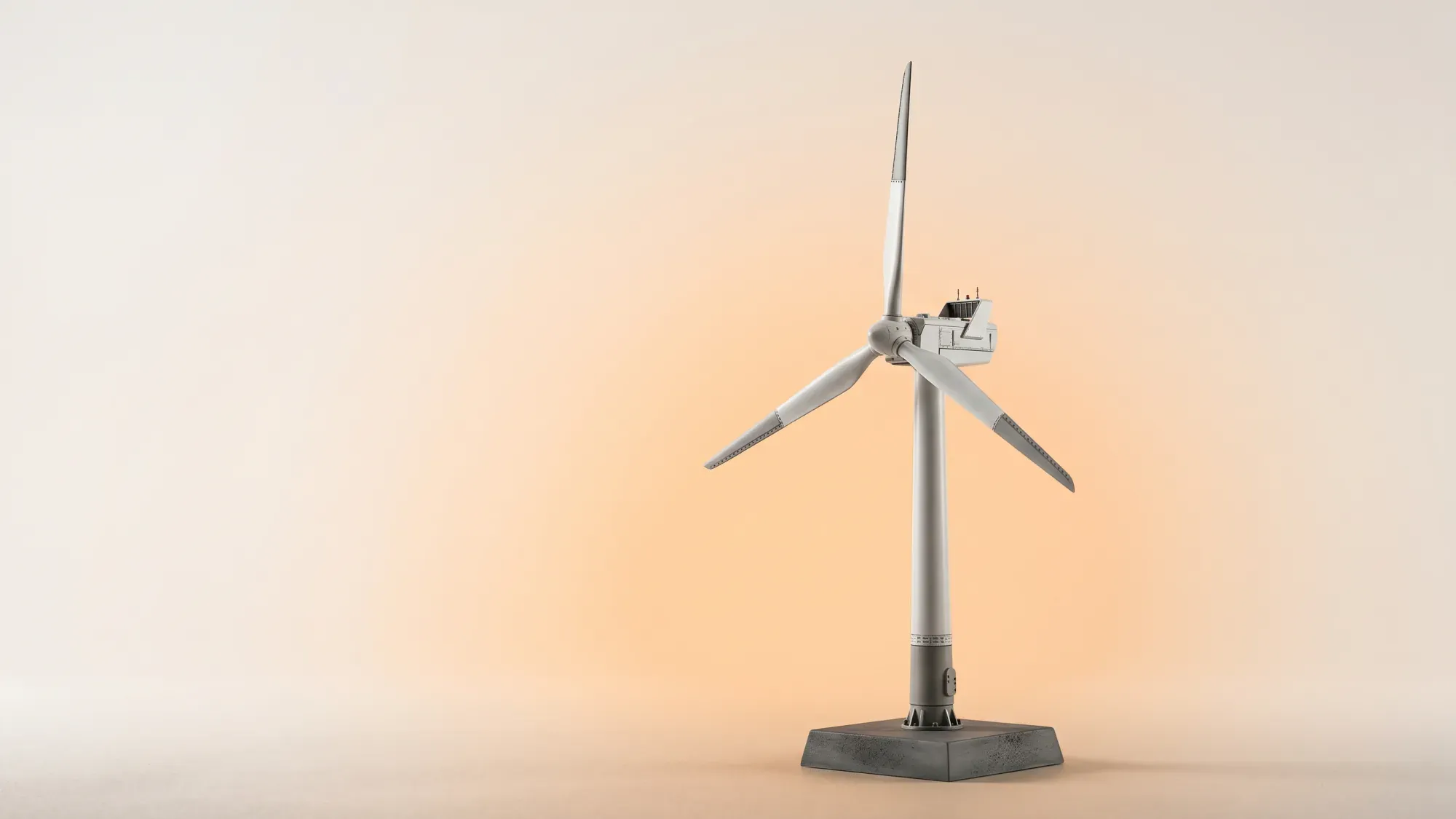
Wind energy captures the kinetic energy of wind to generate electricity. While large-scale wind farms are a significant part of the UK's energy mix, smaller domestic wind turbines can also be an option for suitable properties.
The UK has considerable potential for wind power. Onshore wind turbines in the UK average a 27% capacity factor, while offshore wind averages 41%. To put this into perspective, a modern onshore wind turbine typically produces enough electricity for around 1,700 average UK homes annually. The average UK home uses around 2,700 kWh of electricity per year1.
Heat pumps (air source and ground source)
Heat pumps are an efficient way to heat your home and water, drawing heat from the air or ground.
- Air source heat pumps (ASHPs) extract heat from the outside air, even in cold temperatures, and use it to warm your home. You can explore more about air source heat pumps and their benefits.
- Ground source heat pumps (GSHPs) draw heat from the ground through buried pipes.
Both types offer a low-carbon alternative to traditional boilers. The UK government offers schemes like the Boiler Upgrade Scheme to support the installation of low-carbon heating systems, making heat pumps more accessible for homeowners.
Hydropower and biomass
While less common for individual homes, hydropower and biomass also contribute to the UK's alternative energy landscape.
- Hydropower generates electricity from flowing water. Small-scale hydro systems can be viable for properties with access to a suitable water source.
- Biomass involves burning organic materials like wood pellets to produce heat or electricity. This can be a carbon-neutral option if the biomass is sourced sustainably.
Environmental impact and carbon footprint reduction
Switching to alternative energy sources significantly reduces your reliance on fossil fuels, directly lowering your household's carbon footprint. This contributes to cleaner air and helps the UK achieve its ambitious climate targets, moving towards a more sustainable future for everyone.
Energy independence and cost savings
Embracing alternative energy offers a tangible path to greater energy independence. By generating your own power or using highly efficient heating systems, you become less vulnerable to fluctuations in global energy markets and rising utility bills. Over time, the initial investment in systems like solar PV can lead to substantial long-term savings, making your energy costs more predictable.
Technological advancements and smart integration
The alternative energy sector is constantly evolving, with new technologies making systems more efficient and user-friendly. Smart home technology plays a crucial role here, allowing you to monitor and optimise your energy usage from alternative sources. Integrating smart tariffs, batteries, and home energy upgrades helps you maximise the benefits, giving you greater control over your consumption and generation.
Assessing your needs and property suitability
Before making any decisions, understand your current energy consumption and what alternative energy types are best suited for your property. Consider factors like roof orientation for solar, garden space for ground source heat pumps, or local wind conditions for turbines. A professional energy assessment can provide tailored advice.
Grants, incentives, and financial support
The UK government and local authorities offer various grants and incentives to encourage the adoption of renewable energy technologies. Schemes like the Boiler Upgrade Scheme can provide financial assistance for installing low-carbon heating systems. It is worth investigating these options to help offset initial installation costs.
Choosing the right system and installer
Selecting the right system and a certified installer is paramount. Look for installers accredited by schemes like the Microgeneration Certification Scheme (MCS) to ensure quality and eligibility for government incentives. Obtain multiple quotes and compare not just prices, but also warranties, maintenance plans, and customer reviews. Independent energy advisors can also offer unbiased guidance.
The UK's renewable energy landscape
The UK has significant natural potential for generating renewable energy, particularly from wind and solar. Harnessing these resources is key to meeting national energy demands and building a resilient energy infrastructure. Continued investment in both large-scale projects and domestic installations will shape a future where clean energy is the norm.
Beyond scarcity: a new energy mindset
The traditional narrative around energy often focuses on scarcity and the need to 'use less.' Fuse Energy challenges this by demonstrating how alternative energy enables a future of abundance, not sacrifice. It is about having 'power to play with' - more energy, more control, and the capability to live fully without constant worry about consumption. This mindset shift empowers individuals to become active participants in a modern energy system, optimising their usage and contributing to a cleaner, more independent energy landscape.
Ready to embrace a future with more energy and more control? Fuse Energy offers clear pricing, real-time usage data, and 24/7 human customer support, making it simple to manage your home's energy. We believe in a future where energy is abundant, not scarce, and we are building the systems to make that a reality. Click here to switch to Fuse Energy today and join us in making energy a power play for your home. You can also learn more about our mission to deliver abundant, clean energy by clicking here.