Air conditioning installation for your home
As UK summers become increasingly warm, air conditioning (AC) is transforming from a perceived luxury into a practical component of modern home comfort and energy management. Understanding the costs, energy implications, and how to find trustworthy local installers is key to making an informed decision.
Considering air conditioning for your home? Fuse Energy provides clear information to help you make smart choices about home energy upgrades. We focus on making energy simple and transparent, so you can manage your home's comfort effectively.
Thinking about Air conditioning installation for your home? With Fuse Energy, you get clear pricing, real-time usage data, 24/7 human customer support, and a modern energy experience designed around you. Signing up takes just a few minutes, so you can take control of your bills from day one. Click here to switch to Fuse Energy today and start saving.
Enter your address to get a quote and see how much you could save
Understanding air conditioning in UK homes
Air conditioning in UK homes is no longer just about cooling; modern systems offer year-round climate control and can significantly enhance indoor living.
Why consider AC for the British climate?
The British climate is changing, with summers becoming hotter and heatwaves more frequent and intense. The last decade has been warmer than any previous decade on record, and summers once considered exceptional are becoming the norm, with UK temperatures exceeding 40°C in recent years. Many UK homes, traditionally built to retain heat, can become uncomfortably warm during these periods, especially upstairs bedrooms and rooms exposed to direct sunlight. Air conditioning provides a consistent and comfortable indoor temperature, addressing the growing need for effective cooling.
Benefits beyond cooling: heating and air quality
Beyond cooling, modern air conditioning units often operate as air-to-air heat pumps, providing efficient heating during colder months. This dual functionality means a single system can manage your home's climate year-round, offering a highly energy-efficient alternative to traditional heating methods. Additionally, these systems often include filters that remove dust, pollen, and airborne particles, contributing to improved indoor air quality, which is particularly beneficial for those with allergies or asthma.
Types of air conditioning systems for residential use
Choosing the right air conditioning system depends on your home's layout, your specific needs, and your budget. Several types are suitable for residential use.
Split systems: the most common choice
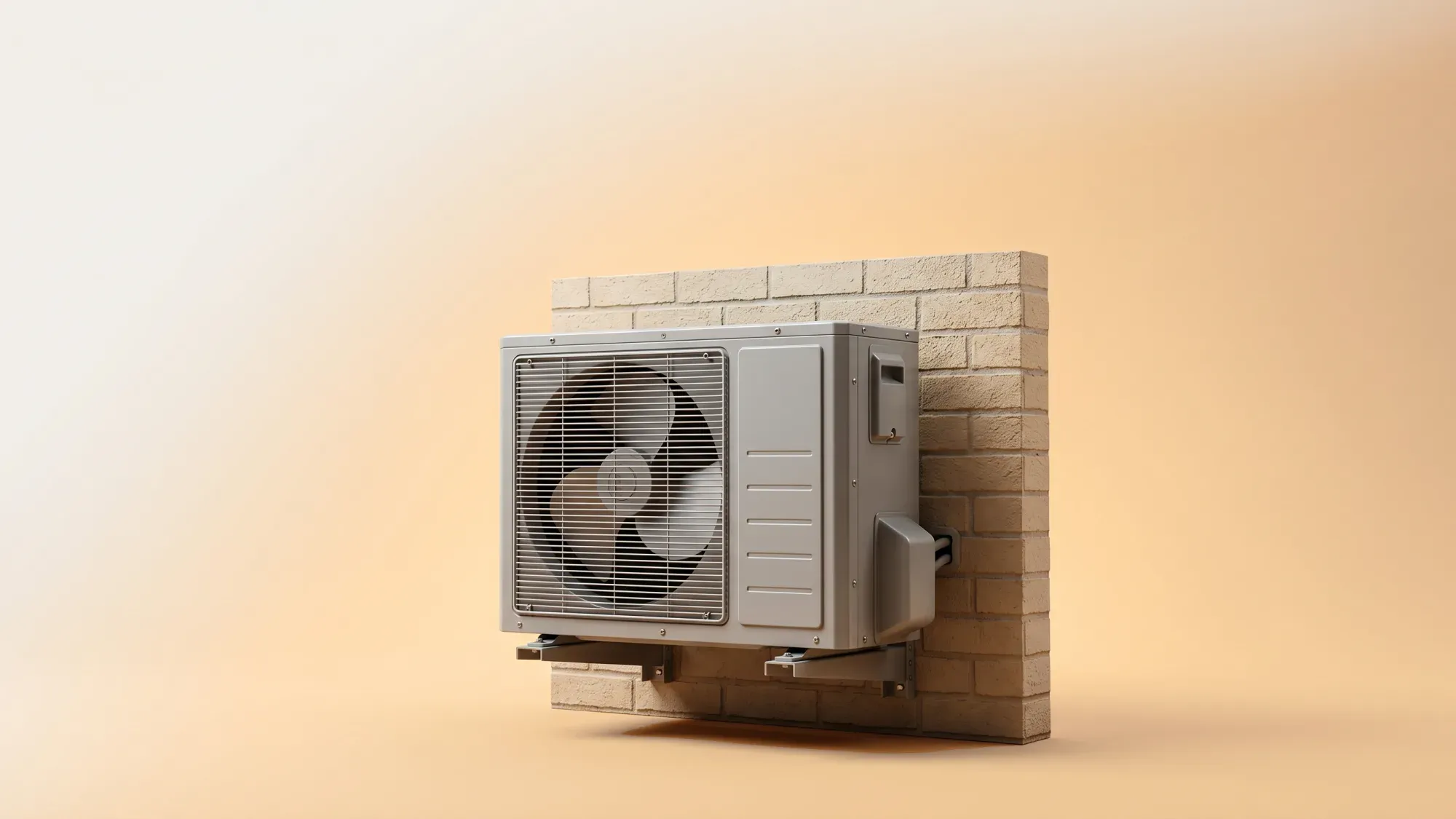
Split systems are the most popular choice for cooling individual rooms or open-plan areas. They consist of an outdoor unit connected to one indoor unit, typically mounted on a wall. These systems are efficient and relatively straightforward to install, making them a versatile option for many homes.
Multi-split systems for multiple rooms
For cooling multiple rooms with a single outdoor unit, multi-split systems are an effective solution. This setup connects several indoor units to one outdoor compressor, allowing individual temperature control for each room. This can be a more economical and aesthetically pleasing option than installing multiple single split systems.
Ducted systems: whole-home solutions
Ducted air conditioning systems offer a discreet, whole-home cooling and heating solution. The indoor unit is typically concealed within a ceiling or wall cavity, distributing conditioned air through a network of ducts and vents. While more complex to install, ducted systems provide uniform climate control throughout your property.
Portable and window units: a quick overview
Portable and window units offer a temporary and more affordable cooling solution. Portable units are mobile and can be moved between rooms, but often require a hose to vent hot air outside. Window units are installed directly into a window frame. While convenient for immediate needs, these units are generally less energy-efficient and quieter than fixed split or multi-split systems.
Air conditioning installation costs in the UK
The total cost of air conditioning installation in the UK can vary significantly, influenced by several key factors.
Factors influencing installation price
Installation costs are determined by the type of system chosen, the size of your property, the number of rooms requiring air conditioning, and the complexity of the installation. Factors like the energy efficiency rating of the unit, additional features such as air purification or heating capabilities, and the location of the outdoor unit also play a role.
Breakdown of unit and labour costs
For a single split system, air conditioning installation costs in the UK can vary widely. For multi-split systems, costs can be higher depending on the number of indoor units and the complexity of the setup. These figures generally include both the unit price and labour.
Running costs and energy consumption
Modern air conditioning units are designed to be highly energy-efficient, which helps to keep running costs down. The energy consumption will depend on the unit's efficiency, how often it is used, and the size of the space being conditioned. The average UK home uses around 2,500 kWh of electricity per year1. Selecting an efficient system is crucial for managing long-term energy bills.
Choosing a certified air conditioning installer
Professional installation is paramount for the safe, efficient, and legal operation of your air conditioning system.
The importance of F-Gas certification
In the UK, it is a legal requirement for any installer handling refrigerants to hold F-Gas certification. This certification ensures that the installer is trained to safely and environmentally consciously handle fluorinated greenhouse gases (F-gases), which are commonly used as refrigerants in air conditioning systems. Choosing an F-Gas certified professional protects you from potential safety issues, poor system performance, and voided warranties.
Questions to ask potential installers
When obtaining quotes, ask installers about their F-Gas certification, their experience with the specific type of system you are considering, and whether their quote includes all necessary electrical work and post-installation checks. Inquire about warranties for both the unit and the installation work.
Getting and comparing quotes
It is advisable to obtain multiple detailed quotes from reputable, F-Gas certified installers. Compare not only the total price but also the specifics of what is included, such as the brand and model of the unit, the scope of work, and any guarantees or after-sales support.
Energy efficiency and smart home integration
Modern air conditioning can be a highly energy-efficient addition to your home, especially when integrated with smart technology.
Understanding SEER and SCOP ratings
When selecting an air conditioning unit, pay close attention to its SEER (Seasonal Energy Efficiency Ratio) and SCOP (Seasonal Coefficient of Performance) ratings. SEER measures cooling efficiency, while SCOP measures heating efficiency over an entire season, taking into account varying temperatures and partial load usage. Higher SEER and SCOP values indicate greater energy efficiency, leading to lower energy consumption and reduced running costs. For example, a SCOP of 4.0 means that for every 1 kWh of electricity consumed, the unit produces 4 kWh of heat.
Integrating AC with smart thermostats and home energy management
Integrating your air conditioning with smart thermostats and broader home energy management systems can optimise its usage and enhance overall home energy efficiency. Smart controls allow you to program schedules, remotely adjust temperatures, and monitor energy consumption, ensuring your AC operates only when needed and at optimal settings. This integration aligns with a strategy of intelligent energy use, allowing for comfort while managing consumption effectively.
Long-term savings with efficient systems
Investing in a high-efficiency air conditioning system with good SEER and SCOP ratings, coupled with smart home integration, can lead to significant long-term savings on your energy bills. While the initial outlay might be higher, the reduced running costs and improved comfort make it a worthwhile home energy upgrade.
The air conditioning installation process
Understanding the typical installation process can help you prepare and ensure a smooth experience.
Initial consultation and site survey
The process usually begins with an initial consultation and site survey. A certified installer will assess your property, discuss your cooling and heating requirements, and recommend suitable system types and sizes. They will also identify the best locations for indoor and outdoor units and evaluate any electrical upgrades needed.
Installation day: what to expect
On installation day, the technicians will typically install the indoor and outdoor units, connect them with refrigerant lines and electrical wiring, and ensure proper drainage. This may involve drilling through walls and making electrical connections. The duration of the installation will depend on the system's complexity and the number of units.
Post-installation checks and maintenance
After installation, the system will be tested to ensure it is operating correctly and efficiently. The installer should explain how to use your new AC system, including its controls and any smart features. Regular maintenance, such as cleaning filters and checking refrigerant levels, is essential for optimal energy efficiency and to prolong the lifespan of your unit.
Fuse Energy does not directly offer air conditioning installation services or specific AC units. However, we provide unbiased information and guidance to empower you to make informed decisions about your home energy upgrades.
Managing your home's energy should be simple and stress-free. Fuse Energy offers clear pricing, real-time usage data through our app, and 24/7 human customer support to help you understand and control your energy consumption. Switching to Fuse is quick and easy, allowing you to focus on making your home more comfortable and efficient. Click here to switch to Fuse Energy today and take control of your home's energy. You can also learn more about our mission to create a future of abundant, clean energy by clicking here.
References
Disclaimer
For the avoidance of doubt, this article is provided for informational purposes only and is not intended to constitute legal or financial advice. The author and/or Fuse Energy shall not be responsible for any losses arising out of any reliance on the information contained herein.