Air conditioning costs and installation
Installing air conditioning in your UK home is a significant decision, but with summers becoming increasingly warmer, it is a choice many homeowners are now making. Understanding the full picture - from upfront costs to long-term running expenses and energy efficiency - is key to making a smart investment. This guide will walk you through the essential considerations for selecting, purchasing, and installing an energy-efficient air conditioning system that provides comfort without excessive running costs.
Enter your address to get a quote and see how much you could save
Why consider AC for your UK home?
The perception of air conditioning (AC) as a luxury is changing in the UK. Modern systems offer more than just cooling, providing year-round climate control and improved indoor air quality.
The changing climate and comfort needs
UK summers are indeed becoming warmer, making comfortable home cooling a growing priority. Beyond just comfort, effective temperature control can improve sleep quality and productivity, especially for those working from home.
Beyond cooling: heating and air quality benefits
Many contemporary air conditioning units function as heat pumps, offering both cooling and heating capabilities. This means they can be a highly efficient way to warm your home in winter, potentially reducing reliance on traditional heating systems. You can also explore available heat pump grants to help with the upfront cost. They can also filter indoor air, removing pollutants and allergens, which is a significant benefit for air quality.
Types of air conditioning systems for homes
Choosing the right system depends on your property's layout, your budget, and your specific needs.
Split systems
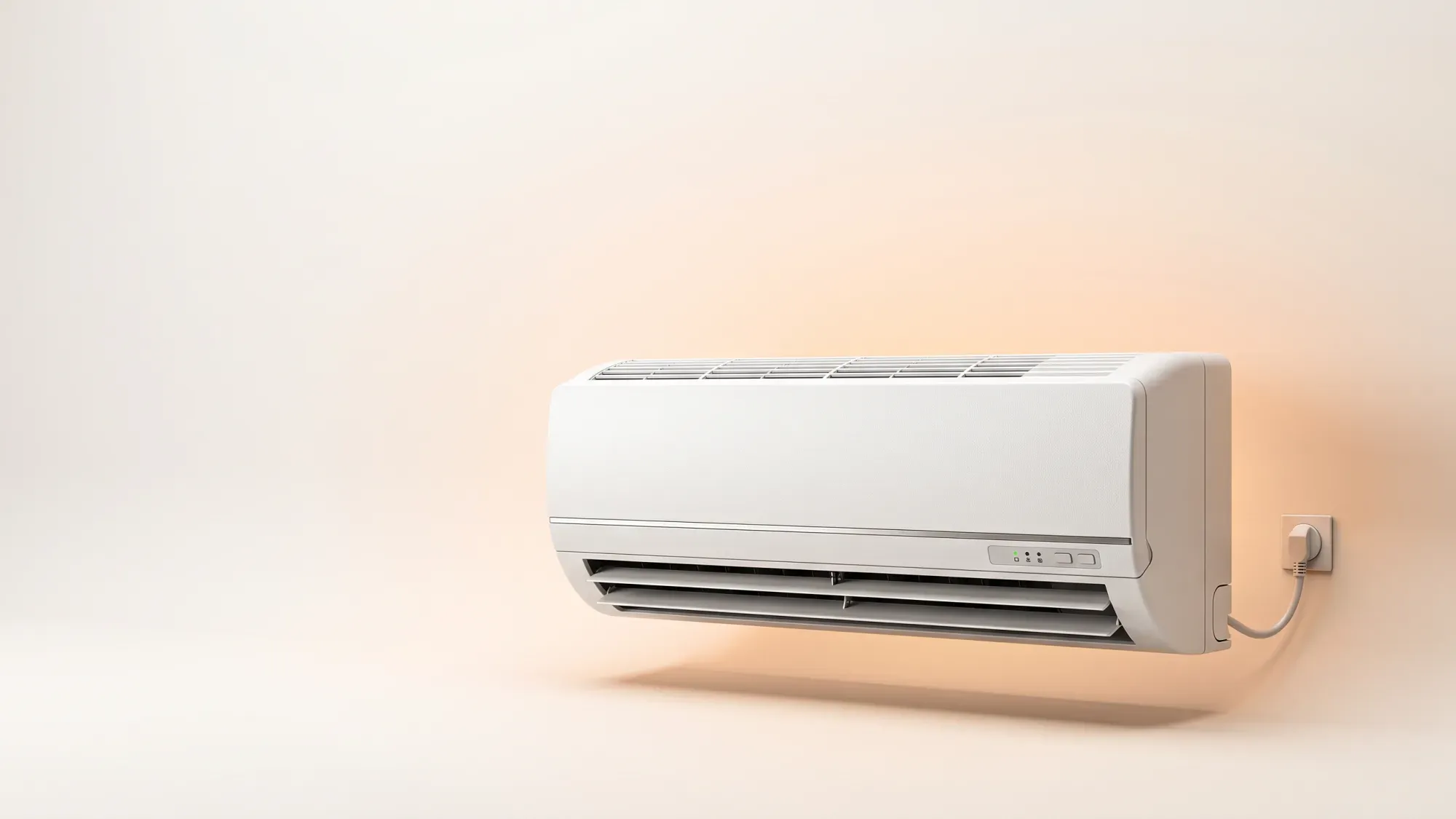
Split systems are a popular choice for individual rooms or open-plan areas. They consist of an indoor unit, typically wall-mounted, connected to an outdoor condenser unit. These systems are known for their efficiency and quiet operation.
Multi-split systems
For cooling or heating multiple rooms, a multi-split system uses one outdoor unit connected to several indoor units. This offers individual temperature control for each room, making it a flexible option for larger homes.
Portable and window units
Portable air conditioners are the most affordable and require no professional installation; you simply plug them in. However, they are generally less efficient, noisier, and less effective for larger spaces compared to fixed installations. Window units are less common in the UK but offer a compact, self-contained cooling solution.
Understanding AC costs: unit, installation, and running
The total cost of air conditioning ownership goes beyond the initial purchase price, encompassing installation and ongoing running expenses.
Initial unit price
The cost of an air conditioning unit varies significantly by type, brand, and capacity. For a wall-mounted (split) system, the unit alone can range from £500 to £2,500 per unit, depending on its British Thermal Unit (BTU) size. Portable units are considerably cheaper, typically costing between £200 and £800.
Professional installation costs
Professional installation is crucial for fixed air conditioning systems, as it involves handling F-Gas refrigerants, electrical connections, and ensuring optimal performance and safety. For a professionally installed single-split AC unit in the UK, expect costs to typically range between £1,500 and £4,000, including the unit and labour. Multi-split systems will naturally be more expensive, often starting from £3,000 and increasing with the number of indoor units and complexity.
Long-term running expenses and energy bills
Running an air conditioning unit will add to your electricity bill. The cost depends on the unit's efficiency, its power consumption, and your electricity tariff. For most homes, expect to pay between £1.50 and £3.20 per day for comfortable cooling during hot weather, based on 8 hours of use. This means running an air conditioning unit for 8 hours a day can add between £1.50 and £3.20 to your daily electricity bill, depending on its efficiency and the electricity unit rate. For a deeper dive into how your energy bill is structured, read our guide on understanding your energy bill.
How much does a typical air conditioner cost to run per hour?
The cost to run an air conditioning unit in the UK typically ranges from 20p to 50p per hour, depending on the system's efficiency, size, and current electricity rates. For example, a standard 2.5kW unit might cost around 20p-40p per hour to run.
The average UK home uses around 2,500 kWh of electricity per year, effective from 1 July 2026. While modern AC units are increasingly efficient, continuous use will impact your overall energy consumption.
Key factors for choosing an efficient AC system
Selecting an energy-efficient system is vital for managing long-term running costs.
Energy efficiency ratings (SEER and SCOP)
In the UK, air conditioning efficiency is measured by SEER (Seasonal Energy Efficiency Ratio) for cooling and SCOP (Seasonal Coefficient of Performance) for heating. A higher SEER rating indicates better cooling efficiency over an entire season, while a higher SCOP rating signifies more efficient heating.
For the UK's climate, a SEER rating of 6.1 or higher (corresponding to an A++ energy label) is considered very good for modern, efficient units. A SCOP rating above 4.0 indicates excellent heating efficiency. Investing in a unit with high SEER and SCOP ratings can lead to significant energy savings over its lifespan.
Sizing your system correctly
An incorrectly sized system will operate inefficiently. A unit that is too small will struggle to cool the space, running constantly and wasting energy. Conversely, an oversized unit will cycle on and off too frequently, leading to uneven cooling and increased wear and tear. A qualified installer will assess your property to recommend the correct BTU capacity for your needs.
Smart features and controls
Modern AC systems often come with smart features, such as Wi-Fi connectivity, programmable thermostats, and zone control. These allow you to manage your system remotely, set schedules, and optimise usage to align with cheaper energy periods, giving you greater control over your energy consumption. Pairing these features with a smart meter installation can further enhance your energy management.
Installation considerations and best practices
Professional installation is not just about performance; it is also about safety and compliance.
Finding a qualified installer
Always use F-Gas certified installers for safety and compliance, as they are legally required to handle refrigerants. A reputable installer will conduct a thorough survey of your home, recommend suitable systems, and provide a detailed quote. Check their credentials and read reviews before committing.
Placement and aesthetics
The placement of both indoor and outdoor units affects efficiency and aesthetics. Indoor units should be positioned to distribute air effectively without obstruction, while outdoor units need adequate airflow and should be located where their operational noise will not be a nuisance. Discuss these factors with your installer to find the best balance.
Permits and regulations
While most domestic air conditioning installations do not require planning permission, there are regulations regarding noise levels and the handling of refrigerants. Your F-Gas certified installer will ensure all work complies with relevant building regulations and environmental standards.
Maintaining your AC for optimal performance and efficiency
Regular maintenance is key to ensuring your air conditioning system runs efficiently and lasts longer.
Routine cleaning and servicing
Simple tasks like regularly cleaning or replacing air filters can significantly improve your unit's efficiency and air quality. Professional servicing, typically annually, helps identify and address minor issues before they become costly problems. This includes checking refrigerant levels, electrical connections, and overall system performance.
Troubleshooting common issues
Familiarise yourself with basic troubleshooting steps for common issues, such as reduced airflow or unusual noises. Often, a quick check of the filters or a reset of the unit can resolve minor problems. For more complex issues, always contact a qualified technician.
Extending the lifespan of your unit
Proper sizing, professional installation, and consistent maintenance are the best ways to extend the lifespan of your air conditioning unit. Operating your system within recommended temperature ranges and avoiding excessive cycling can also contribute to its longevity.
Understanding the true costs and efficiency of air conditioning is crucial for managing your home energy. Fuse Energy helps you stay on top of your energy usage with clear insights and smart tariffs. Click here to see how easy it is to switch.
Managing your home's energy, including the running costs of your air conditioning, should be straightforward. Fuse Energy provides transparent pricing and detailed usage data through our app, helping you make informed decisions about your energy consumption. Our 24/7 human support team is always ready to assist you. Click here to switch to Fuse Energy today and take control of your energy bills. You can also learn more about our mission to make energy abundant here.
Disclaimer
For the avoidance of doubt, this article is provided for informational purposes only and is not intended to constitute legal or financial advice. The author and/or Fuse Energy shall not be responsible for any losses arising out of any reliance on the information contained herein.