90 facts about climate change
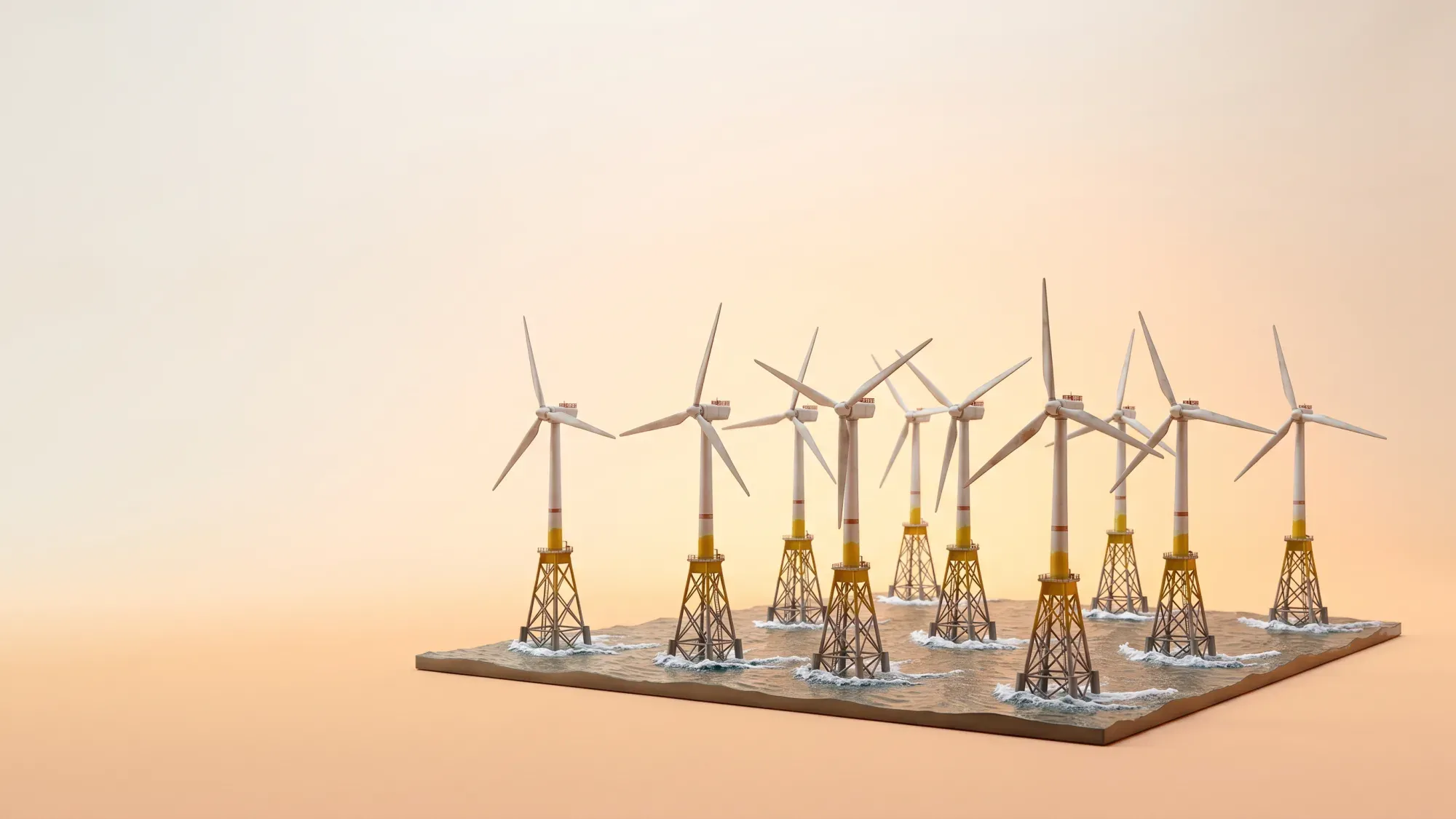
Climate change is a defining issue of our time, primarily driven by human activities and leading to long-term shifts in global weather patterns. Understanding the facts - both the impacts and the solutions - is the first step towards a sustainable future. This article presents 90 key facts about climate change, with a particular focus on how it affects the UK and the significant progress being made in transitioning to abundant, clean energy. We aim to provide clear, accurate information that empowers rather than overwhelms, highlighting the potential for innovation and collective action to build a resilient world.
Understanding the complexities of climate change can feel overwhelming, but transitioning to cleaner energy is a tangible step you can take. Fuse Energy is committed to making that transition simple and rewarding for your home. Click here to switch to Fuse Energy today.
Enter your address to get a quote and see how much you could save
Understanding the basics of climate change
The greenhouse effect and global warming
- The Earth's global average temperature has risen by approximately 1.1 to 1.2°C above pre-industrial levels (1850-1900).
- The past decade (2015-2024) has been the warmest on record globally.
- Human activities, primarily the burning of fossil fuels, have been the main driver of climate change since the 1800s.
- The greenhouse effect is a natural process where certain atmospheric gases trap heat, vital for sustaining life on Earth.
- Global warming refers specifically to the long-term heating of Earth's climate system, while climate change encompasses broader shifts like sea level rise and extreme weather events.
Scientific consensus and evidence
- The Intergovernmental Panel on Climate Change (IPCC) provides comprehensive scientific assessments on climate change, informing global policy.
- Over 97% of actively publishing climate scientists agree that climate-warming trends are extremely likely due to human activities.
- Ice cores reveal atmospheric composition and temperatures from hundreds of thousands of years ago, showing current CO2 levels are unprecedented in recent geological history.
- Oceans have absorbed over 90% of the excess heat trapped by greenhouse gases, leading to thermal expansion and contributing to sea level rise.
- Satellite observations provide extensive, continuous data on changes in ice sheets, glaciers, sea levels, and atmospheric temperatures, offering robust evidence of climate change.
Key greenhouse gases
- Carbon dioxide (CO2) is the primary greenhouse gas emitted through human activities, mainly from burning fossil fuels for energy and transport.
- Methane (CH4) is a potent greenhouse gas, far more effective at trapping heat than CO2 over a 20-year period, though it has a shorter atmospheric lifespan.
- Nitrous oxide (N2O) is released from agricultural and industrial activities, as well as fossil fuel combustion, and is a long-lived greenhouse gas.
- Fluorinated gases, such as HFCs, PFCs, and SF6, are synthetic, powerful greenhouse gases used in various industrial applications, with very high global warming potentials.
- Pre-industrial atmospheric CO2 concentrations were around 280 parts per million (ppm), compared to over 420 ppm today.
Global impacts of climate change
Rising temperatures and extreme weather
- Global heatwaves are becoming more frequent, longer-lasting, and more intense, posing significant health risks.
- The Arctic is warming at least twice as fast as the global average, accelerating ice melt and affecting global weather patterns.
- Glaciers and ice sheets worldwide are shrinking at an accelerated rate, contributing significantly to sea level rise.
- Climate change is increasing the intensity and frequency of heavy rainfall events in many regions, leading to more severe flooding.
- Prolonged droughts are expanding in duration and severity across many parts of the world, impacting water resources and agriculture.
Sea level rise and ocean acidification
- Global mean sea level has risen by about 20 cm since 1900, with the rate accelerating in recent decades.
- Thermal expansion of ocean water, as it warms, is a major contributor to sea level rise.
- The melting of ice sheets in Greenland and Antarctica is adding vast quantities of water to the oceans, further accelerating sea level rise.
- Ocean acidification, caused by the absorption of excess CO2, threatens marine ecosystems, especially shellfish and coral.
- Coral reefs are experiencing widespread bleaching events due to rising ocean temperatures, leading to significant biodiversity loss.
Biodiversity loss and ecosystem changes
- Climate change is a significant driver of species extinction risk, altering habitats faster than many species can adapt.
- Many plant and animal species are shifting their geographic ranges towards cooler poles or higher altitudes in response to warming temperatures.
- Changes in phenology, such as earlier flowering times and altered migration patterns, disrupt ecological interactions and food webs.
- The frequency and intensity of wildfires are increasing in many regions, devastating forests, ecosystems, and human settlements.
- Agricultural yields are being impacted by changes in temperature, rainfall, and increased pest outbreaks, threatening food security.
Climate change in the UK: specific impacts and actions
Observed changes in the UK climate
- The UK has experienced a clear warming trend, with all of the ten warmest years on record occurring since 2002.
- UK rainfall patterns are changing, with more intense winter rainfall and drier summers projected for some regions, impacting water management.
- Coastal erosion and flooding are increasing risks for UK communities due to rising sea levels and more frequent storm surges.
- UK biodiversity is affected by climate change, with shifts in species distribution and the timing of life events for plants and animals.
- The UK has seen an increase in extreme weather events, including heatwaves, heavy rainfall, and storms, impacting infrastructure and daily life.
UK policy and Net zero targets
- The UK has a legally binding target to reach Net Zero emissions by 2050.
- The Climate Change Act 2008 established the world's first legally binding long-term framework to tackle climate change, setting the stage for future policy.
- The UK operates a system of carbon budgets, setting legally binding limits on the amount of greenhouse gases emitted over five-year periods to ensure progress towards Net Zero.
- The UK's Green Finance Strategy aims to align private financial flows with environmental objectives, mobilising investment in sustainable projects.
- The UK has successfully phased out coal-fired power generation, contributing significantly to emissions reductions and setting an example for other nations.
Renewable energy progress in the UK
- The UK is a global leader in offshore wind power, boasting the largest installed capacity in Europe.
- UK onshore wind farms average a capacity factor of around 27%.
- UK offshore wind farms average a capacity factor of around 41%.
- The average UK home uses around 2,700 kWh of electricity per year1.
- A typical 2 MW onshore wind turbine, operating at a 27% capacity factor, can produce roughly 4,700 MWh (4,700,000 kWh) annually, enough to power around 1,700 average UK homes.
Solutions and mitigation strategies
Transitioning to clean energy
- Solar power is one of the fastest-growing energy sources globally, with rapidly decreasing costs and increasing efficiency making it more accessible.
- Energy storage solutions, including batteries and pumped hydro, are vital for balancing intermittent renewable energy generation and ensuring grid stability.
- Battery storage technology is rapidly advancing, with costs falling and efficiency increasing, making it a key component of future energy systems.
- Smart grid technologies are enhancing energy distribution efficiency, integrating diverse renewables, and allowing for better demand management.
- Hydropower remains a significant source of renewable electricity globally, utilising the kinetic energy of flowing water.
Decarbonising transport and industry
The transport and industrial sectors are undergoing significant transformations to reduce their carbon footprint. 51. The UK has introduced a Zero Emission Vehicle (ZEV) mandate, requiring a rising percentage of new cars and vans sold each year to be zero emission. 52. Electric vehicle (EV) adoption is rapidly increasing, driven by technological advancements, improved infrastructure, and supportive policies. 53. Sustainable aviation fuels (SAFs), produced from waste materials or renewable sources, are being developed to decarbonise air travel. 54. Industrial processes are being electrified and optimised for energy efficiency to reduce emissions from manufacturing and heavy industry. 55. Green hydrogen, produced via electrolysis using renewable electricity, holds promise for decarbonising hard-to-abate sectors like heavy industry and long-haul transport.
Carbon capture and storage
- Carbon Capture and Storage (CCS) technologies capture CO2 emissions from industrial sources before they enter the atmosphere and store them permanently underground.
- Bioenergy with CCS (BECCS) combines biomass energy generation with CCS, potentially resulting in negative emissions.
- Direct Air Capture (DAC) technology removes CO2 directly from the ambient air, offering a way to address legacy emissions.
- The UK is investing in several CCS projects, aiming to develop carbon capture clusters in industrial regions.
- CCS is considered crucial for decarbonising hard-to-abate sectors like cement and steel production, where emissions are difficult to eliminate otherwise.
Adaptation and building resilience
Protecting communities and infrastructure
- Investment in flood defences, such as barriers and natural flood management solutions, is crucial for protecting communities from increased rainfall and sea level rise.
- Early warning systems for extreme weather events are improving, allowing for better preparation and response to heatwaves, storms, and floods.
- Infrastructure is being designed and upgraded to withstand future climate impacts, including higher temperatures and altered precipitation patterns.
- Sustainable water management strategies are being implemented to address changes in water availability and demand, ensuring water security.
- Ecosystem-based adaptation uses natural processes and ecosystems to reduce climate risks, such as restoring mangroves to protect coastlines from storm surges.
Natural climate solutions
- Reforestation and afforestation (planting new forests) are powerful natural climate solutions, absorbing CO2 and enhancing biodiversity.
- Peatland restoration helps sequester carbon, improve water quality, and reduce flood risk across large areas.
- Blue carbon ecosystems, like mangroves, salt marshes, and seagrass beds, are highly effective at storing carbon and protecting coastal areas.
- Sustainable land management practices, including regenerative agriculture, improve soil health and carbon sequestration while supporting food production.
- Urban greening initiatives, such as parks and green roofs, help mitigate urban heat island effects and manage stormwater in cities.
The role of innovation
- Advanced materials, such as lightweight composites and efficient insulation, are reducing energy consumption in various sectors, from transport to construction.
- Artificial intelligence (AI) is being used to improve climate modelling, optimise renewable energy grids, and enhance disaster prediction and response.
- Research into fusion energy aims to provide a virtually limitless, clean power source for the long term, offering a transformative energy solution.
- Innovations in sustainable agriculture technology are developing climate-resilient crops and reducing farming's environmental footprint.
- The circular economy model focuses on reducing waste and maximising resource use, lowering overall environmental impact and resource dependency.
The path forward: abundance and empowerment
Challenging the scarcity mindset
- Continuous improvements in energy efficiency mean we can achieve more with less energy, challenging the notion of scarcity.
- The rapidly falling costs of renewable energy technologies make abundant, clean power increasingly accessible and competitive.
- Decentralised energy systems, like rooftop solar and local battery storage, empower communities and individuals with greater energy independence.
- Modernising the energy grid with smart technologies enables more efficient distribution and integration of diverse energy sources.
- The transition to clean energy offers a path to greater energy independence and security, reducing reliance on volatile fossil fuel markets.
Individual and collective action
- Simple individual actions, from reducing energy consumption to choosing sustainable transport, contribute to collective emissions reductions.
- Advocating for strong climate policies and supporting businesses committed to sustainability can drive systemic change.
- Community energy projects allow local groups to own and manage renewable energy installations, fostering local empowerment and resilience.
- Making sustainable consumption choices, including diet and purchasing decisions, influences market demand for eco-friendly products and services.
- Education and awareness campaigns are crucial for fostering a collective understanding of climate change and inspiring action at all levels.
A future with power to play with
- The vision of abundant, clean energy offers a future where energy is no longer a limiting factor, freeing up resources and innovation.
- Ongoing technological progress continues to unlock new possibilities for energy generation, storage, and efficiency.
- The clean energy transition creates new economic opportunities, jobs, and industries, driving sustainable growth.
- Reducing air pollution from fossil fuels leads to significant public health benefits, improving quality of life.
- Building resilient societies means preparing for climate impacts while simultaneously working towards a sustainable and prosperous future for all.
Understanding climate change is crucial, and the facts presented here highlight both the challenges and the immense potential for positive change. The journey to a sustainable future is one of innovation, collaboration, and a shift towards abundant, clean energy. Fuse Energy is here to help you make that shift for your home, offering clear pricing, real-time usage data, and 24/7 human customer support. We believe in a future with power to play with, and we're building the energy system to make it happen. Click here to switch to Fuse Energy today and explore our mission here.
References
Disclaimer
For the avoidance of doubt, this article is provided for informational purposes only and is not intended to constitute legal or financial advice. The author and/or Fuse Energy shall not be responsible for any losses arising out of any reliance on the information contained herein.